
Skip to content

What Are the Top Types of CNC Cutters?

A CNC cutter is not a one-size-fits-all tool. The right choice depends on the material, the feature being cut, and the finish the job requires. A carbide end mill can shape a pocket; a face mill can flatten a broad surface; a ball-nose cutter can follow curved contours. Each leaves a different trace on the workpiece. Small details matter. Tool diameter, flute count, coating, and cutting conditions all affect performance.

Illustrative CNC tooling specialist Daniel Mercer puts the selection principle this way: “Choose the cutter for the feature and material first; speed comes after control.” That is a useful rule, though real shops sometimes learn it the hard way. A cutter that works well in aluminum may perform poorly in stainless steel. Even a suitable tool can chatter if its stick-out is too long or the setup lacks rigidity.

This guide outlines the top types of cnc cutter, including end mills, face mills, drills, reamers, and specialized profile cutters. It explains what each tool does, where it fits, and what to check before use. Expect trade-offs. A faster cut may leave a rougher surface, while a finer finish can add machining time. No single chart can replace a test cut and careful measurement. The aim is to make the choices clearer—not pretend every shop, machine, or workpiece behaves the same way.
What Are the Top Types of CNC Cutters?

What a CNC Cutter Is and How It Removes Material

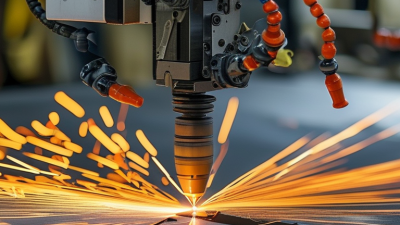
A CNC cutter is the rotating tool that removes material from a workpiece along a programmed path. The machine controls its movement, while the cutter’s edges do the physical cutting. In milling, an end mill may travel sideways through aluminum, leaving narrow grooves and small, curled chips. A drill usually moves into the material to create a round hole. Face mills remove material across a broader surface. Different shapes suit different jobs.

As each cutting edge meets the workpiece, it shears away a thin layer. The removed material becomes chips, which carry heat away from the cutting zone. That matters. Chip shape, color, and buildup can offer clues about tool condition or cutting settings, though they are not a diagnosis on their own. Feed rate, spindle speed, tool geometry, and how firmly the part is held all affect the result. Too much pressure can cause chatter or a rough finish; too little may rub instead of cut. Not magic. A small test cut can reveal problems, but the same settings may behave differently with another material or a less rigid setup.
How CNC Cutters Are Classified by Shape and Function

What Are the Top Types of CNC Cutters?
How CNC Cutters Are Classified by Shape and Function

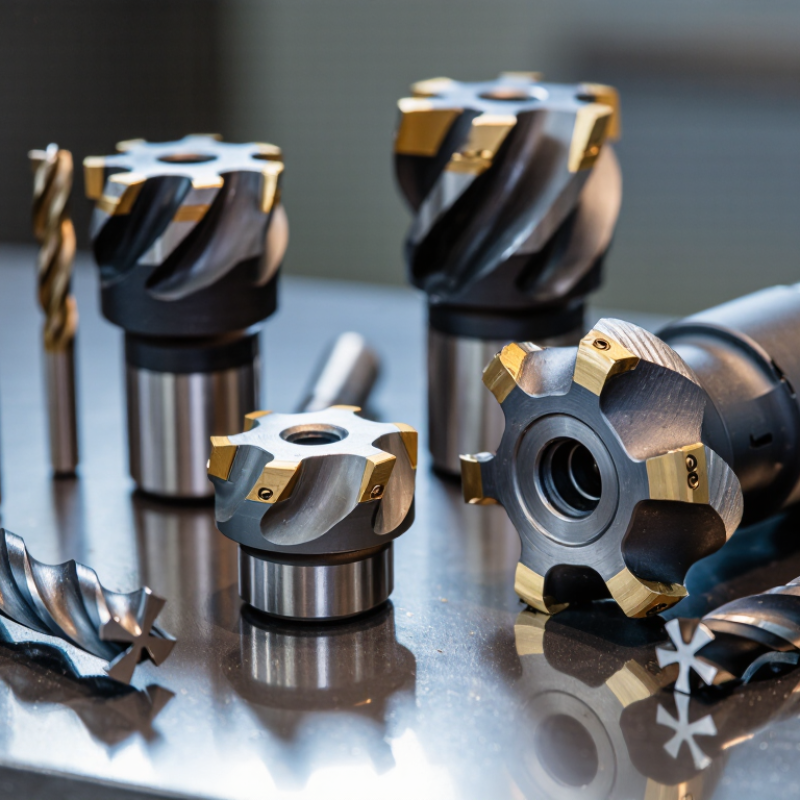
CNC cutters are easier to compare when classified by shape and the job they perform. Flat-end mills have square tips and are commonly used for slots, pockets, and straight walls. Ball-nose mills have rounded tips, making them useful for curved surfaces and 3D contours. Corner-radius mills sit between these forms, with a small radius that can reduce sharp edge wear. Small details matter.

Face mills use cutting edges around their faces to flatten broad surfaces. Drills create holes, while boring tools enlarge existing holes with more control over diameter. Reamers refine a hole’s size and finish, but they remove little material. These functions overlap in practice; a tool’s geometry and setup can change what it does well.

Shape alone does not determine the best cutter. Material, tool reach, machine rigidity, and chip evacuation all affect performance. For example, a long, narrow end mill may reach a deep pocket, yet it can deflect under load. A short cutter may be more stable, but it may not reach the feature. A classification chart is a useful starting point, not a complete selection rule. Check the toolmaker’s specifications and test cautiously when conditions are uncertain.

What Are the Top Types of CNC Cutters?

CNC cutters are commonly classified by their shape and the job they perform. This chart compares representative tool configurations by their number of cutting edges or inserts.

Counts show representative configurations, not fixed specifications; cutter designs vary by material and application.

  • Twist drill: typically has two cutting lips for making holes.
  • Single-point boring tool: uses one cutting edge to enlarge or finish an existing hole.
  • End mill: square-end versions are commonly available with two or four flutes for slotting, profiling, and pocketing.
  • Face mill: uses multiple cutting inserts to machine flat surfaces.
  • Reamer: has multiple cutting edges and is used to improve the size and finish of an existing hole.

The Main Types of CNC Cutters and Their Uses

What Are the Top Types of CNC Cutters?
The Main Types of CNC Cutters and Their Uses

CNC cutters remove material to create slots, holes, flat surfaces, and detailed contours. End mills are versatile tools for cutting slots and shaping edges. Flat-end versions leave square corners, while ball-nose end mills create smooth curves for three-dimensional work. Face mills use multiple cutting edges to flatten broad surfaces efficiently. Drills make round holes, and chamfer tools soften sharp edges or prepare holes for fasteners.

The right cutter depends on the workpiece, design, and machine setup. A ball-nose tool can follow a curved mold, but it may leave visible ridges if the step-over is too large. A face mill can cover a wide area quickly, yet a flexible setup may cause chatter. Small details matter. Tool reach, cutting depth, and chip removal also affect the finish. A choice that looks right on paper may need adjustment during a test cut.

Tips: Match the cutter to the feature, not just the material. Check the tool’s diameter and flute length against the required depth. Secure the workpiece firmly, and begin with a conservative feed when conditions are uncertain. Test cuts help. Even a useful chart cannot account for every machine, fixture, or worn tool.

What Are the Top Types of CNC Cutters? - The Main Types of CNC Cutters and Their Uses

Cutter Type Cutting Action and Typical Geometry Common Materials Typical CNC Operations Common Uses Practical Note
Flat-End Mill Rotating fluted tool with a flat end; cuts with its sides and end. Aluminum, steel, stainless steel, plastics, and wood, depending on tool material and geometry. Slotting, pocketing, profiling, and shoulder milling. Machining flat-bottom pockets, straight walls, slots, and part outlines. A common general-purpose cutter. Choose flute count and cutting parameters to suit the material and chip evacuation needs.
Ball-Nose End Mill Fluted end mill with a rounded tip that produces a curved cutting path. Tool steels, aluminum, plastics, and other materials suitable for milling. 3D contouring, finishing, and sculptured-surface machining. Creating molds, dies, curved components, and blended surface details. Often leaves a scalloped surface; smaller stepovers generally reduce scallop height but increase machining time.
Roughing End Mill End mill with serrated or chip-breaking cutting edges designed for heavy material removal. Commonly used on steel, stainless steel, and other machinable metals; selection depends on the cutter design. Rough pocketing, slotting, and high-material-removal milling. Removing stock quickly before a finishing pass. It typically leaves a rougher surface than a finishing cutter, so a separate finishing operation may be needed.
Face Mill Broad cutter with cutting edges arranged around its face, often using replaceable inserts. Aluminum, cast iron, and steel, with cutter and insert grades selected for the material. Face milling and large-area surface machining. Producing flat, level surfaces on plates, blocks, and other workpieces. Best suited to milling broad surfaces; the machine, workholding, and cutter must be rigid enough for the cutting load.
Drill Rotating tool with a pointed tip and flutes that carry chips out of the hole. Metals, plastics, and wood, using a drill suited to the workpiece and hole conditions. Drilling and, where appropriate, peck drilling. Making round holes for fasteners, alignment features, and later machining operations. Drills make holes but do not usually provide the same size control or finish as a reamer or boring tool.
Reamer Multi-edge finishing tool that removes a small amount of material from a previously made hole. Metals and other materials for which a suitable reamer geometry is available. Hole sizing and internal surface finishing. Bringing drilled or bored holes closer to a specified diameter and improving their finish. A reamer generally follows a pre-existing hole; it is not intended to create a hole from solid material.
Boring Tool Single-point cutting tool that enlarges and finishes an existing hole. Steel, aluminum, cast iron, and other machinable workpiece materials. Internal turning or boring on CNC lathes, and boring operations on suitable milling machines. Adjusting hole diameter, alignment, and internal features. Tool reach and setup rigidity matter, especially for deep holes, because vibration can affect finish and accuracy.
Tap Thread-cutting tool with flutes and formed cutting edges that create internal threads. Metals and other machinable materials, with tap style selected for the material and hole type. Cutting internal threads in pre-drilled holes. Producing threaded holes for screws, bolts, and other fasteners. Correct pilot-hole size and synchronized spindle movement are important for reliable CNC tapping.
Thread Mill Rotating milling cutter that generates threads by following a programmed helical path. Steel, stainless steel, aluminum, and other materials compatible with the selected tool. Internal and external thread milling. Making threads, including threads in larger holes or parts that benefit from a flexible toolpath. Thread size is controlled through the programmed path; the tool can often machine different diameters within its usable range.
Chamfer Mill Angled cutter, commonly conical, that cuts a bevel or countersink around an edge or hole. Metals, plastics, and other materials suited to the cutter geometry. Chamfering, deburring, and countersinking. Breaking sharp edges, preparing hole entrances, and adding angled edge details. Chamfer angle and depth should match the drawing or fastener requirements.
Slitting Saw Thin circular cutter with teeth around its rim, mounted on an arbor. Metals and other materials that can be cut with an appropriate saw and setup. Narrow slotting, cutoff, and grooving. Cutting thin slots, reliefs, and narrow separations in a workpiece. The thin blade can deflect; secure workholding and suitable cutting conditions help reduce wandering.

How Cutter Materials and Coatings Affect Performance

CNC cutters include end mills, drills, and face mills, but their performance depends on more than shape. The cutting material matters. High-speed steel tolerates vibration and suits modest cutting speeds, though it usually wears faster in demanding production. Carbide stays hard at higher temperatures and supports faster machining, but it can chip if the machine or workpiece setup lacks rigidity. A tiny edge chip may leave a rough line across a finished surface.

Coatings change how a cutter handles heat, friction, and wear. Titanium nitride can improve wear resistance in general-purpose work, while aluminum titanium nitride often performs well in hotter cutting conditions. The right choice still depends on the workpiece, speed, and coolant strategy. There is no universal best coating. For aluminum, a very smooth, sharp edge may matter more than a hard coating, which can encourage material buildup if poorly matched. Coatings also add a thin layer to the edge, so tool geometry and finish quality deserve attention. That detail is easy to miss. When a cutter wears early, check runout, chip evacuation, and cutting parameters before blaming the coating. One caveat: a good tool can still fail in a poor setup.

How to Choose a CNC Cutter for a Specific Job

Choosing a CNC cutter starts with the material and the shape you need to make. A flat end mill suits slots, pockets, and square-edged profiles. A ball-nose cutter leaves smooth contours on curved surfaces, though it may need a finishing pass. V-bits create angled grooves and lettering, while drills make round holes. Each tool has limits.

Check the workpiece, cutter diameter, flute count, and machine rigidity before setting a toolpath. For wood, sharp cutters and effective chip removal help reduce burning. For aluminum, a suitable flute design and steady chip clearance can limit built-up material on the cutting edge. Harder materials usually need conservative cutting conditions and a rigid setup. Small tools reach fine details, but they are easier to break. That is easy to overlook.

Match the cutter to the operation, not just the material. A large end mill removes stock quickly, but it may not fit tight corners. A ball nose can follow a curved surface, but its tip cuts slowly near the center. Toolpath direction, workholding, and cutting speed matter too. Begin with manufacturer-recommended settings, then make a shallow test cut and inspect the edge, sound, and chips. There is no perfect setting for every machine; even a sensible chart may need adjustment. Verify the setup before committing to a full part.