
-
-
-
-
-
-

With a customized Stiles University course, we can provide expert training for your team, on-location. Whether it's programming, operation or maintenance, we want to help you train your personnel to meet your production goals efficiently and effectively.
-

Experience the trusted workforce development training and machinery knowledge you rely on from Stiles University, now at your convenience. With technology changing every day and new methods being developed constantly, Stiles University Online has the latest information and training content available at your fingertips.
-
-
-

Do you want to produce more efficiently? Processes and flows are key. We optimize these together with you, re-organize them and make sure that you reduce your lead time and save costs. This enables you to implement customized manufacturing and achieve your business goals.
-

Industrialized construction is evolving. Automation, robotics and advanced technology are raising the level of productivity, efficiency and precision for builders in North America.
-

Stiles Machinery is at the forefront of providing technology and machining for producing high quality mass timber. Automated solutions for your mass timber production can increase your manufacturing quality and productivity.
-

Project management services from Stiles make it easy to streamline your entire project— from concept and consultation to integration and implementation.
-



-
-
-
-
-
-
With a customized Stiles University course, we can provide expert training for your team, on-location. Whether it's programming, operation or maintenance, we want to help you train your personnel to meet your production goals efficiently and effectively.
-
Experience the trusted workforce development training and machinery knowledge you rely on from Stiles University, now at your convenience. With technology changing every day and new methods being developed constantly, Stiles University Online has the latest information and training content available at your fingertips.
-
-
-
Do you want to produce more efficiently? Processes and flows are key. We optimize these together with you, re-organize them and make sure that you reduce your lead time and save costs. This enables you to implement customized manufacturing and achieve your business goals.
-
Industrialized construction is evolving. Automation, robotics and advanced technology are raising the level of productivity, efficiency and precision for builders in North America.
-
Stiles Machinery is at the forefront of providing technology and machining for producing high quality mass timber. Automated solutions for your mass timber production can increase your manufacturing quality and productivity.
-
Project management services from Stiles make it easy to streamline your entire project— from concept and consultation to integration and implementation.
-
What Are the Best CNC Cutter Options for Global Buyers?
Choosing the right CNC cutter is crucial for businesses worldwide. With so many options available, buyers can often feel overwhelmed. Each type of CNC cutter serves different purposes. Understanding these differences can aid in making informed decisions.
Quality, precision, and ease of use are key factors when selecting a CNC cutter. Manufacturers vary in reputation and technology. Buyers should research brands, read reviews, and consider customer feedback. This approach helps buyers avoid potential pitfalls.
While many CNC cutters offer impressive features, not all may fit specific needs. Some models might lack reliability or support. Therefore, thorough evaluation and hands-on testing are essential. The right CNC cutter can significantly enhance productivity and efficiency in manufacturing processes.
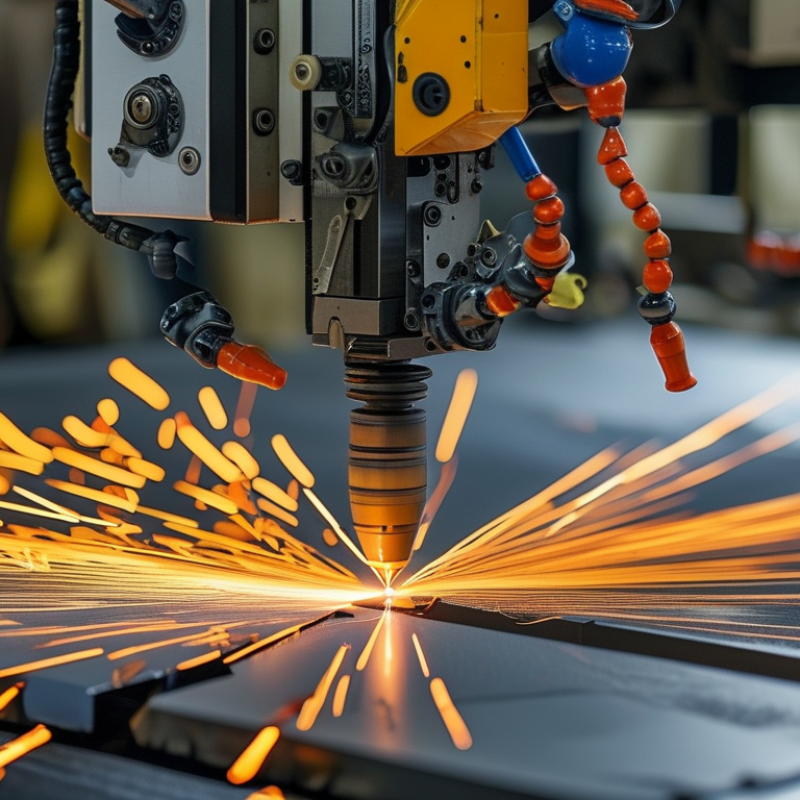
Overview of CNC Cutters in the Global Market
The global CNC cutter market is booming, driven by increased demand for precision tools. Recent data from industry reports indicate the CNC cutting machine market is projected to grow at a CAGR of 6.5% from 2023 to 2028. This growth signifies a rising interest in automation and precision engineering across various sectors. Manufacturers across Europe and Asia are leading this wave, providing innovative designs and advanced functionalities.
Factors contributing to the market's expansion include technological advancements and customization options. The ability to create complex geometries with CNC machines enhances manufacturing capabilities. However, not all machines meet the varied needs of global buyers. Different regions have distinct preferences, such as speed, precision, and materials compatibility. Buyers often face challenges in selecting machines that align with their specific production requirements.
Data suggests that nearly 45% of manufacturers express dissatisfaction with their current CNC cutters. Issues related to maintenance, usability, and technology upgrades remain significant concerns. Awareness of these challenges can guide buyers to make more informed decisions about their CNC cutter acquisitions. Additionally, understanding local market conditions and support services is crucial for long-term success and reliability in CNC machining operations.
Related Posts
-
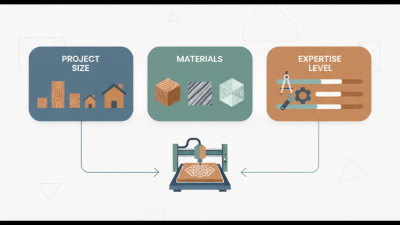
How to Choose the Best CNC Router Kit for Your Woodworking Projects
-
Best CNC Router Table for Global Buyers in 2026?
-
Best CNC Router Kit For Precision Cutting and Creative Projects?
-
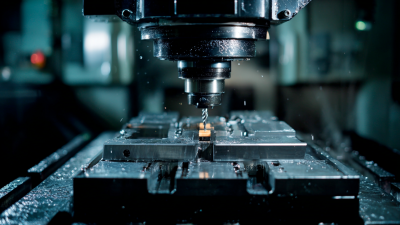
Exploring the Future of Manufacturing: How CNC Machines are Revolutionizing Production Techniques
-
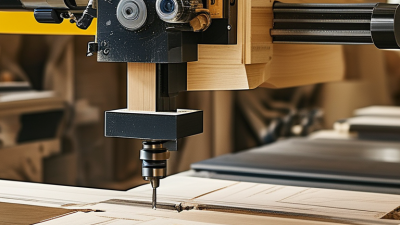
What is a Woodworking CNC Machine and How Does It Work?
-
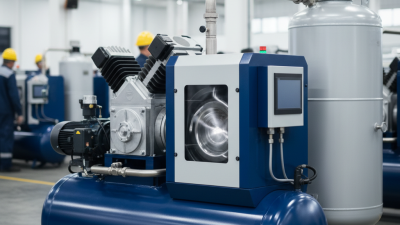
Best Rotary Air Compressor for Efficient Performance?