
-
-
-
-
-
-

With a customized Stiles University course, we can provide expert training for your team, on-location. Whether it's programming, operation or maintenance, we want to help you train your personnel to meet your production goals efficiently and effectively.
-

Experience the trusted workforce development training and machinery knowledge you rely on from Stiles University, now at your convenience. With technology changing every day and new methods being developed constantly, Stiles University Online has the latest information and training content available at your fingertips.
-
-
-

Do you want to produce more efficiently? Processes and flows are key. We optimize these together with you, re-organize them and make sure that you reduce your lead time and save costs. This enables you to implement customized manufacturing and achieve your business goals.
-

Industrialized construction is evolving. Automation, robotics and advanced technology are raising the level of productivity, efficiency and precision for builders in North America.
-

Stiles Machinery is at the forefront of providing technology and machining for producing high quality mass timber. Automated solutions for your mass timber production can increase your manufacturing quality and productivity.
-

Project management services from Stiles make it easy to streamline your entire project— from concept and consultation to integration and implementation.
-



-
-
-
-
-
-
With a customized Stiles University course, we can provide expert training for your team, on-location. Whether it's programming, operation or maintenance, we want to help you train your personnel to meet your production goals efficiently and effectively.
-
Experience the trusted workforce development training and machinery knowledge you rely on from Stiles University, now at your convenience. With technology changing every day and new methods being developed constantly, Stiles University Online has the latest information and training content available at your fingertips.
-
-
-
Do you want to produce more efficiently? Processes and flows are key. We optimize these together with you, re-organize them and make sure that you reduce your lead time and save costs. This enables you to implement customized manufacturing and achieve your business goals.
-
Industrialized construction is evolving. Automation, robotics and advanced technology are raising the level of productivity, efficiency and precision for builders in North America.
-
Stiles Machinery is at the forefront of providing technology and machining for producing high quality mass timber. Automated solutions for your mass timber production can increase your manufacturing quality and productivity.
-
Project management services from Stiles make it easy to streamline your entire project— from concept and consultation to integration and implementation.
-
What is a Woodworking CNC Machine and How Does It Work?
A woodworking CNC machine is an advanced tool that has revolutionized the woodworking industry. CNC stands for computer numerical control, a technology that automates the process of cutting, carving, and shaping wood. This machine utilizes precise programming to execute complex designs with minimal human intervention.
Many woodworking enthusiasts are drawn to this technology. It can handle intricate patterns and multiple materials, minimizing errors that can occur in manual woodworking. The precision of a woodworking CNC machine often produces high-quality results that are difficult to achieve by hand. However, not all users find it straightforward. Learning to operate the software and hardware takes time and practice. Mistakes can lead to wasted materials, sparking frustration for beginners.
Choosing the right woodworking CNC machine can be a challenge. Different models offer varying features, power, and capabilities. Some are designed for hobbyists, while others cater to professionals. It's important to research options thoroughly. This due diligence helps avoid common pitfalls and ensures that you invest in a machine suitable for your needs. Understanding both the benefits and the limitations is key to mastering this technology.
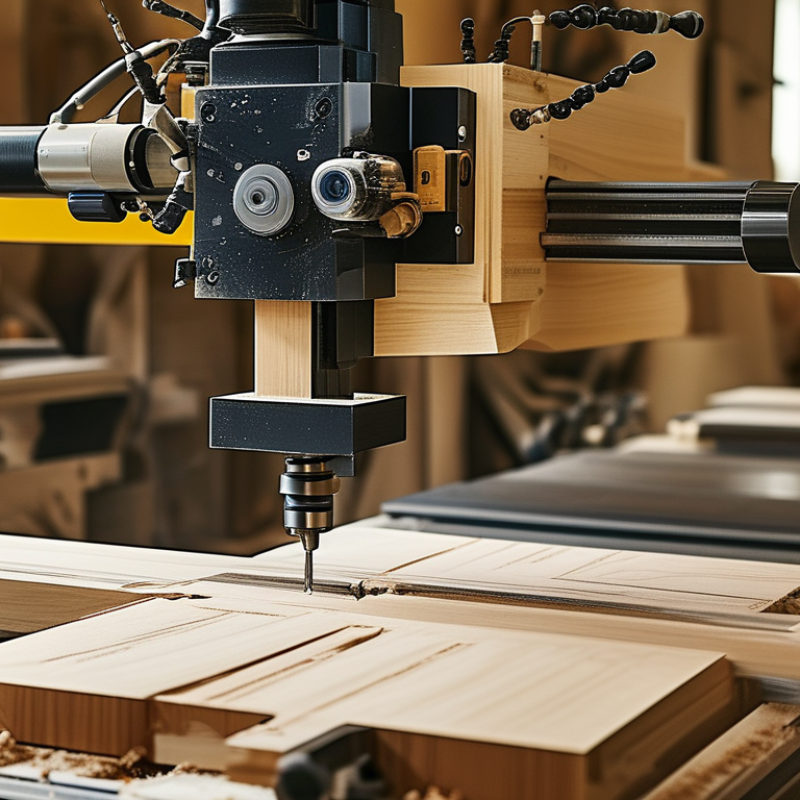
What is a Woodworking CNC Machine?
A woodworking CNC machine is a powerful tool for creating precise wooden items. CNC stands for Computer Numerical Control. This technology allows users to automate woodcutting. It uses a computer to guide the machine, ensuring accuracy. The machine can carve, cut, and shape wood with ease.
When using a CNC machine, it's crucial to prepare your designs in detail. Quality software helps transform ideas into digital plans. The precision of the machine relies on these instructions. However, even the best designs can lead to errors if not reviewed carefully. Double-check measurements and machine settings before starting a project.
**Tips:** Always keep your workspace organized. A clean area reduces the risk of mistakes. Regularly maintain the machine to avoid breakdowns. Remember, patience is key in woodworking. If a project doesn't turn out as expected, analyze what went wrong. Learning from mistakes is part of the creative process.
Related Posts
-
Exploring the Future of Manufacturing: How CNC Machines are Revolutionizing Production Techniques
-
2025 Guide: How to Choose the Best CNC Machining Parts for Your Projects
-
Top Wood CNC Machines in 2026 What to Look For?
-
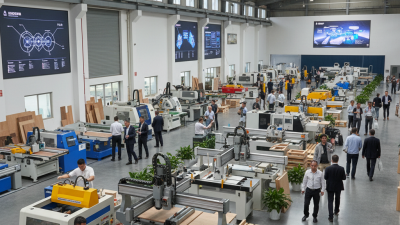
Top Woodworking Machinery in China for Global Buyers?
-
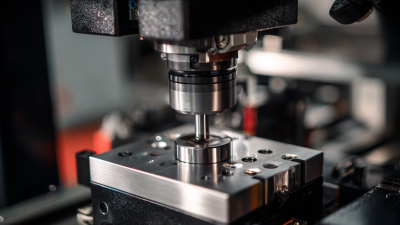
Top 10 Small CNC Machines for Precision Engineering in 2023
-
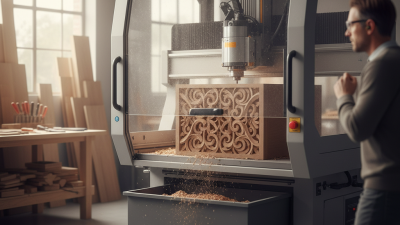
Top 10 Benefits of Using a Wood CNC Machine for Your Projects?