Skip to content

What Is the Best Small CNC Machine from China?

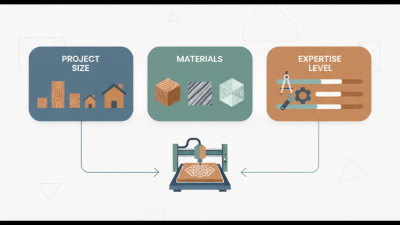
Choosing the best small cnc machine from China requires more than comparing prices and spindle speeds. A reliable choice should match your materials, workspace, production volume, and technical experience. A compact machine may look impressive in photographs, yet its real value appears during setup, calibration, and repeated cutting.

In this guide, we examine machines through practical criteria: frame rigidity, working area, controller compatibility, spindle performance, accuracy, and after-sales support. We also consider shipping protection, replacement parts, documentation, and supplier communication. These details matter when a machine arrives with loose fittings or unclear wiring instructions. That happens sometimes.

Experienced users often test aluminum, hardwood, and acrylic before trusting a machine with regular production. Their results can reveal vibration, lost steps, rough edges, or inconsistent depth. Manufacturer specifications remain useful, but they should not be accepted without verification. Independent reviews, service records, and clear warranty terms provide stronger evidence. A reputable supplier should answer technical questions directly and explain limitations honestly.

The ideal small cnc machine is not always the fastest or cheapest model. It should produce consistent results, fit safely in your workspace, and remain serviceable over time. Beginners may value simple software and responsive support. Experienced makers may prefer stronger rails, flexible control systems, and upgrade potential. There is no universal winner. Even careful recommendations can change after real-world testing, because advertised precision may differ from workshop performance. Our comparison aims to make that decision clearer, while recognizing that budget, application, and operator skill still influence the final result.
What Is the Best Small CNC Machine from China?

What Defines a Small CNC Machine from China?

A small CNC machine from China is defined by more than its compact frame. Its work envelope, rigidity, accuracy, and control system matter more than its outside dimensions. In a practical workshop, a machine may fit beside a workbench but still handle aluminum plates, wood panels, or small plastic parts. That balance is important. Small does not always mean weak.

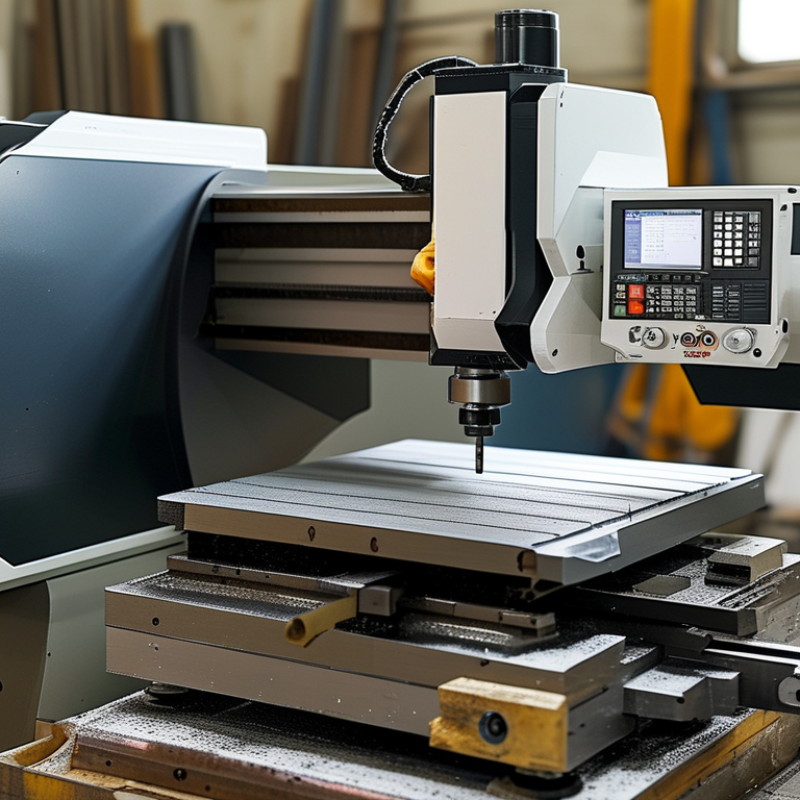
The table size should match your regular projects, not your biggest imagined project. A 300 × 400 mm cutting area suits signs, brackets, and prototypes. Check the usable travel, not only the advertised table size. A heavy cast frame can reduce vibration during cutting. Linear guides, ball screws, and a properly supported spindle also affect surface quality. I have seen compact machines produce clean edges, but only after careful leveling and tool selection.

Control compatibility deserves equal attention. Confirm available file formats, emergency-stop functions, limit switches, and electrical requirements before ordering. Metric documentation is common, though some manuals remain unclear. That can slow installation. Ask for test cuts, accuracy measurements, maintenance guidance, and replacement-part procedures. A supplier’s response often reveals more than polished photographs. The machine may be affordable, but shipping damage, unclear software, or limited technical support can change its real value. Leave room for improvement. Your first setup may need better dust collection, stronger workholding, or a more precise spoilboard.

Which Types of Small CNC Machines Are Available?

Small CNC machines from China are available in several useful formats, each suited to different materials and workshop goals. Desktop CNC mills handle aluminum, brass, plastics, and hardwood with controlled cutting. They usually offer better rigidity than routers, but their working areas are smaller. CNC routers use a gantry frame and are practical for plywood, acrylic, signs, and furniture parts. A 600 × 900 millimeter bed is common for small projects.

CNC lathes rotate the workpiece instead of moving it across a flat table. They are suitable for shafts, bushings, knobs, and other round components. Small laser machines can engrave or cut selected wood, paper, leather, and acrylic sheets. They do not replace milling machines, because they remove material through heat rather than cutting force. Some compact machines combine milling, engraving, and light drilling. This sounds convenient, but shared functions may reduce precision. I have found that advertised accuracy can differ from real results after setup, tool wear, and vibration.

Tips: Check the frame weight, spindle power, usable travel, controller support, and emergency-stop design. Ask for sample cuts in your actual material. Measure noise and dust needs before installation. A machine with less speed but stronger rigidity may produce cleaner edges. Do not ignore software learning time. It can become the slowest part. Calibration also deserves patience.

What Is the Best Small CNC Machine from China? – Which Types of Small CNC Machines Are Available?

Small CNC Machine Type Typical Working Area Compatible Materials Typical Spindle or Laser Power Approximate Accuracy Typical Applications Main Advantages Important Limitations Best Choice For
Desktop CNC Router 300 × 300 mm to 600 × 900 mm Wood, plastic, acrylic, PCB material, and light aluminium 300 W to 1.5 kW spindle Approximately ±0.05–0.15 mm Engraving, cutting panels, making signs, prototypes, and small furniture components Versatile, compact, relatively easy to operate, and suitable for 2D and 3D work Limited cutting depth and rigidity compared with industrial machines; aluminium cutting requires suitable feeds and workholding Makers, schools, workshops, and small product-development teams
Mini CNC Milling Machine 200 × 150 mm to 400 × 250 mm Aluminium, brass, copper, plastics, and mild steel with suitable settings 200 W to 1.5 kW spindle Approximately ±0.02–0.10 mm Small metal parts, brackets, jigs, fixtures, and engineering prototypes More rigid than a router and better suited to controlled metal removal Small work envelope, slower material removal, and greater setup requirements Engineering workshops and users who primarily machine small metal parts
Benchtop CNC Lathe 100–250 mm swing; 200–500 mm between centres Aluminium, brass, copper, plastics, and steel 300 W to 1.5 kW motor Approximately ±0.03–0.10 mm Turning shafts, bushings, spacers, threads, and cylindrical components Designed specifically for round parts and can perform turning, facing, drilling, and threading Not suitable for large flat parts; safe operation requires careful attention to rotating workpieces Users producing small cylindrical metal components
CNC Router with Automatic Tool Changer 600 × 900 mm to 1200 × 1200 mm Wood, MDF, plywood, plastics, acrylic, and composite sheets 1.5 kW to 3.5 kW spindle Approximately ±0.05–0.15 mm Repeated production of cabinets, signs, decorative panels, and nested sheet parts Reduces manual tool changes and improves productivity during multi-operation jobs Higher purchase and maintenance cost; requires adequate dust extraction and workshop space Small businesses needing repeatable sheet-processing production
Desktop CNC Engraver 200 × 200 mm to 400 × 600 mm Wood, acrylic, plastic, coated metal, glass with suitable tooling, and PCB material 80 W to 500 W spindle Approximately ±0.05–0.20 mm Text, logos, nameplates, jewellery patterns, control panels, and shallow reliefs Low space requirement, low energy use, and straightforward operation for shallow engraving Limited cutting depth, lower rigidity, and generally unsuitable for heavy metal cutting Personalisation, educational projects, and light-duty engraving
Small CO₂ Laser Cutter and Engraver 300 × 200 mm to 600 × 900 mm Wood, acrylic, cardboard, leather, fabric, rubber, and selected coated materials 40 W to 150 W laser tube Approximately ±0.05–0.15 mm Cutting and engraving non-metal sheets, packaging samples, ornaments, and signage Non-contact processing, fine engraving detail, and fast cutting of many sheet materials Requires ventilation and cooling; ordinary CO₂ systems do not directly cut bare reflective metals Craft production, signage, packaging prototypes, and non-metal fabrication
Small Fiber Laser Marker Typical marking field of 70 × 70 mm to 200 × 200 mm Stainless steel, aluminium, brass, copper, titanium, and many coated metals 20 W to 50 W fiber laser source Approximately ±0.01–0.05 mm marking positioning Serial numbers, QR codes, barcodes, metal labels, tools, and industrial identification Fast, precise, low-maintenance marking with no consumable ink Primarily intended for marking or shallow engraving; working area is usually smaller than a router Metal identification and traceability work
Small CNC Plasma Cutter 600 × 900 mm to 1500 × 3000 mm Mild steel, stainless steel, and aluminium sheet or plate 45 A to 105 A plasma power source Approximately ±0.15–0.50 mm, depending on material and setup Metal signs, brackets, decorative panels, and sheet-metal profiles Fast cutting of electrically conductive sheet metal without mechanical cutting force Produces a heat-affected zone and requires fume control; edge quality is lower than precision milling Small metal-fabrication shops processing sheet and plate
Small CNC Foam Cutter 600 × 600 mm to 1200 × 2400 mm Expanded polystyrene, extruded polystyrene, foam board, and similar foams Heated wire system, commonly 50 W to 300 W Approximately ±0.5–2.0 mm Packaging inserts, architectural models, props, insulation shapes, and mould patterns Efficiently creates large lightweight forms with low cutting resistance Limited to suitable foam materials and does not provide the finish or strength of metal machining Model making, packaging design, and foam-shape production
Small 4-Axis CNC Router Commonly 300 × 300 mm to 600 × 900 mm; rotary diameter often 50–150 mm Wood, plastics, wax, foam, and light aluminium 500 W to 2.2 kW spindle Approximately ±0.05–0.20 mm Rotary engraving, tapered objects, relief work, instrument parts, and complex prototypes Can machine more complex surfaces than a standard three-axis router More complex programming and setup; rotary work may reduce the available flat working area Users needing cylindrical or multi-sided parts in small quantities

Selection note: The “best” small CNC machine depends on the material, required accuracy, part size, production volume, available space, dust or fume-control requirements, and operator experience. The specifications above are typical market ranges rather than limits for every machine configuration.

How to Compare Features, Accuracy, and Work Area

What Is the Best Small CNC Machine from China?

Comparing a small CNC machine starts with its real working envelope, not the advertised table size. A 400 × 400 mm table may offer only 260 × 240 mm after clamps and safety limits. Measure usable X, Y, and Z travel with your workholding installed. The 2024 Grand View Research market report places global CNC machine demand on a strong growth path, but market growth does not guarantee better accuracy. A compact machine with ball screws, linear guides, and a rigid cast frame usually deserves closer attention than one with a larger table.

Accuracy requires careful language. ISO 230-2 separates positioning accuracy from repeatability, so ask for both values, test conditions, and measurement temperature. NIST guidance also stresses measurement uncertainty, which many sales sheets ignore. For small aluminum parts, repeatability near 0.01 mm may be useful, but actual results depend on tool runout, fixturing, backlash, and thermal drift. Ask for a laser or ball-bar inspection report when available. I would not trust a single impressive number.

Features should match your materials and workflow. A 1.5 kW spindle may handle plastics and light aluminum, while steel demands slower cuts and stronger rigidity. Check spindle speed, collet range, coolant control, chip evacuation, software compatibility, and service response. The 2023 World Machine Tool Survey from Gardner Business Media highlights continuing demand for flexible, digitally connected equipment. Still, connectivity cannot repair poor calibration. I would choose a smaller verified work area over a larger, optimistic specification. That choice is less exciting, but often more practical.

What Materials and Projects Can Each Machine Handle?

The best small CNC machine from China depends on the material, workspace, and project tolerance. A 3018-class router suits beginners making signs, acrylic panels, softwood boxes, and small aluminum plates. Its compact frame handles detail work, but deep cuts can cause vibration. Keep expectations realistic. Copper and steel usually exceed its comfortable range.

A 6040-class router offers a larger bed for furniture components, guitar templates, plastic enclosures, and repeated aluminum parts. With proper coolant control and conservative feeds, it can manage shallow aluminum machining. A compact benchtop mill is more suitable for steel brackets, brass fixtures, and precise mechanical prototypes. However, its smaller working area limits cabinet panels and large carvings. A fourth-axis model adds cylindrical projects, including engraved handles and small decorative parts, but setup becomes slower.

Grand View Research estimates the global CNC machine market will continue expanding through 2030, reflecting wider digital manufacturing adoption. MarketsandMarkets also identifies automation and small-batch production as major growth drivers. These reports describe market direction, not the proven capability of every machine. In practice, spindle power, frame rigidity, lead-screw backlash, and tool quality matter more than advertised travel. My own cautious rule is simple: test scrap material first. A failed aluminum cut may leave a rough edge, overheated tool, and an expensive lesson.

How to Select the Best Machine for Your Needs

What Is the Best Small CNC Machine from China?

How to Select the Best Machine for Your Needs

The best small CNC machine depends on your materials, workspace, and expected accuracy. Measure your largest planned part, then add room for clamps and tool movement. A compact 3018-style machine may suit wood, plastic, and light engraving. Aluminum work usually needs a more rigid frame, stronger spindle, and slower cutting speeds. Do not choose by working area alone. Check the table thickness, guide system, motor torque, collet size, and controller compatibility. These details affect daily performance.

Tips: Request a complete specification sheet, wiring diagram, user manual, and real cutting videos. Ask how replacement parts are supplied. Confirm the machine’s input voltage before ordering. A reliable supplier should answer clearly, not only promise “high precision.” Look for stated tolerances and testing procedures. Vague claims deserve caution.

I once underestimated dust collection and spent more time cleaning than machining. That mistake changed my selection process. A suitable machine should fit your power supply, ventilation, noise limits, and maintenance skills. Test cuts matter more than attractive photographs. Ask for results using your material, such as a 10 mm acrylic circle or a shallow aluminum pocket. Inspect the edges with calipers. Some advertised precision may not survive poor assembly or loose belts. I still review my choices after each project; the cheapest option is not always the most practical.

What Is the Best Small CNC Machine from China?

Typical XY work-area comparison for common small CNC machine size classes. The figures are based on nominal machine-size standards and are intended to support practical machine selection.

A 3018 machine is suitable for engraving, PCB work, wood, and small plastic parts. The 4030 class offers a better balance for hobby projects, while 6040 and 6090 machines provide substantially more working space for larger panels and repeated production tasks. Actual usable travel can vary by machine design, frame clearance, and spindle configuration.