
-
-
-
-
-
-

With a customized Stiles University course, we can provide expert training for your team, on-location. Whether it's programming, operation or maintenance, we want to help you train your personnel to meet your production goals efficiently and effectively.
-

Experience the trusted workforce development training and machinery knowledge you rely on from Stiles University, now at your convenience. With technology changing every day and new methods being developed constantly, Stiles University Online has the latest information and training content available at your fingertips.
-
-
-

Do you want to produce more efficiently? Processes and flows are key. We optimize these together with you, re-organize them and make sure that you reduce your lead time and save costs. This enables you to implement customized manufacturing and achieve your business goals.
-
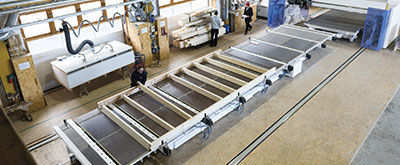
Industrialized construction is evolving. Automation, robotics and advanced technology are raising the level of productivity, efficiency and precision for builders in North America.
-

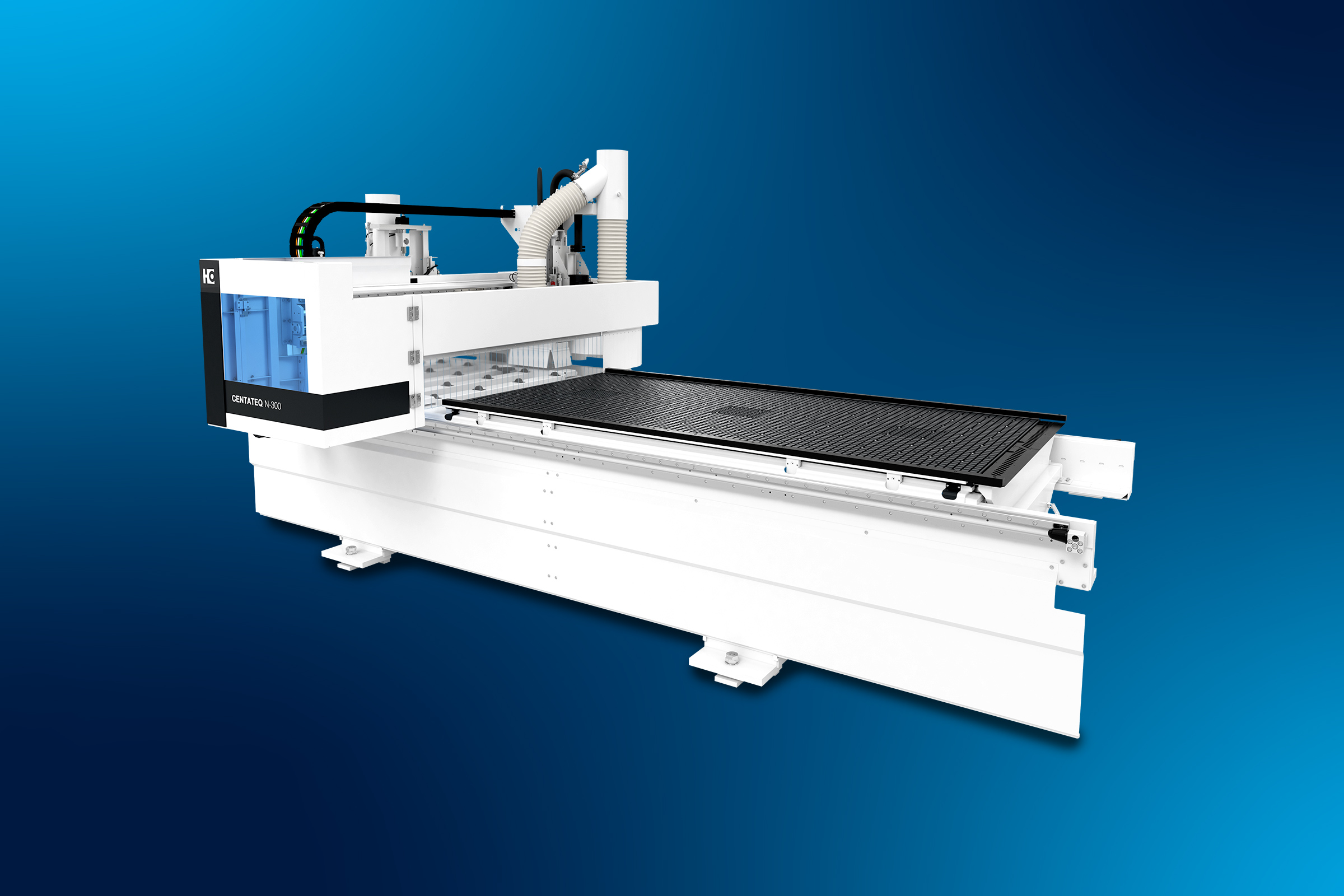
Stiles Machinery is at the forefront of providing technology and machining for producing high quality mass timber. Automated solutions for your mass timber production can increase your manufacturing quality and productivity.
-

Project management services from Stiles make it easy to streamline your entire project— from concept and consultation to integration and implementation.
-


-
-
-
-
-
-
With a customized Stiles University course, we can provide expert training for your team, on-location. Whether it's programming, operation or maintenance, we want to help you train your personnel to meet your production goals efficiently and effectively.
-
Experience the trusted workforce development training and machinery knowledge you rely on from Stiles University, now at your convenience. With technology changing every day and new methods being developed constantly, Stiles University Online has the latest information and training content available at your fingertips.
-
-
-
Do you want to produce more efficiently? Processes and flows are key. We optimize these together with you, re-organize them and make sure that you reduce your lead time and save costs. This enables you to implement customized manufacturing and achieve your business goals.
-
Industrialized construction is evolving. Automation, robotics and advanced technology are raising the level of productivity, efficiency and precision for builders in North America.
-
Stiles Machinery is at the forefront of providing technology and machining for producing high quality mass timber. Automated solutions for your mass timber production can increase your manufacturing quality and productivity.
-
Project management services from Stiles make it easy to streamline your entire project— from concept and consultation to integration and implementation.
-
10 Best C and C Machines for Global Buyers
For global buyers, choosing a c and c machine requires more than comparing prices. Workshop conditions, production goals, and local service access matter equally. A machine that performs well in a dry factory may struggle in a humid coastal environment. Electrical standards also differ between markets. Careful selection prevents expensive surprises after delivery.
This guide introduces ten strong options for international purchasing decisions. Each model is considered through practical criteria, including cutting accuracy, frame stability, spindle performance, software compatibility, safety features, and maintenance needs. We also examine working size, material capacity, noise levels, installation requirements, and replacement-part availability. Clear documentation matters. Responsive technical support matters even more. A detailed warranty can protect operations when a controller fails or calibration drifts.
The selection process relies on manufacturer information, industry specifications, and realistic buyer concerns. However, no ranking is perfect for every workshop. A compact machine may suit a sign maker but limit a furniture producer. A powerful spindle may increase productivity but demand stronger dust extraction and better operator training. These trade-offs deserve attention. Buyers should verify certifications, voltage, shipping terms, customs responsibilities, and after-sales coverage before placing an order. Do not trust impressive photos alone. Request sample cuts, confirm tolerances, and ask how quickly common components can be supplied. Small details decide long-term value. This overview aims to make those decisions clearer, while acknowledging that local conditions can change the final choice.
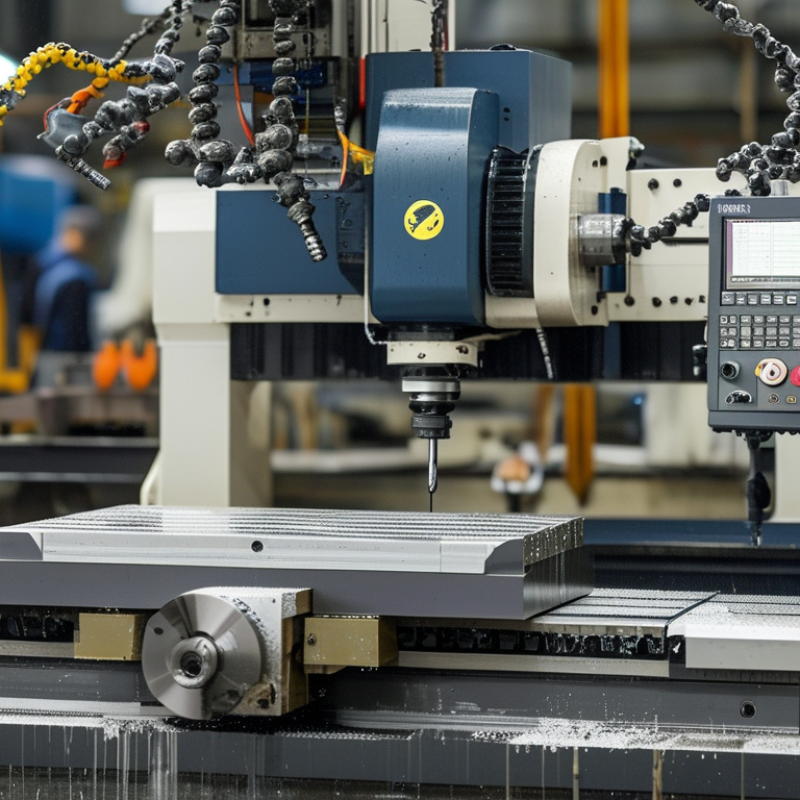
CNC Machine Types Explained: 3-Axis, 5-Axis, Turning, Milling, and Hybrid Systems
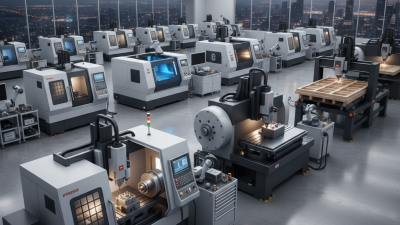
CNC machines differ by motion, tooling, and the work they can hold. A 3-axis mill moves along X, Y, and Z, making it practical for plates, pockets, and simple contours. It is easier to program and usually cheaper to maintain. A 5-axis machine tilts the tool or workpiece, reaching complex surfaces with fewer setups. This can reduce alignment errors around turbine blades, medical components, and deep cavities. More axes do not automatically mean better accuracy. Poor fixturing still creates poor parts.
Turning machines rotate the workpiece against a cutting tool. They suit shafts, bushings, threads, and cylindrical profiles. Milling machines rotate the cutter and support broader geometric work. Hybrid systems combine turning and milling in one setup, reducing handling time and repeated datum checks. The choice should follow part geometry, annual volume, material, and tolerance requirements. A shop producing stainless-steel fittings may value chip control more than maximum spindle speed.
Market data shows why these distinctions matter. Grand View Research estimated the global CNC machine market at about USD 83.9 billion in 2023, with continued growth through 2030. The International Federation of Robotics reported 541,302 industrial robot installations worldwide in 2023, reflecting stronger factory automation demand. These figures are useful, but report boundaries differ. Buyers should question them. Request verified cycle-time tests, volumetric accuracy results, tool-change records, and local service response times before comparing machines. A glossy specification sheet is not production evidence.
Related Posts
-
Top 10 Benefits of Using a CNC Machine for Your Business
-
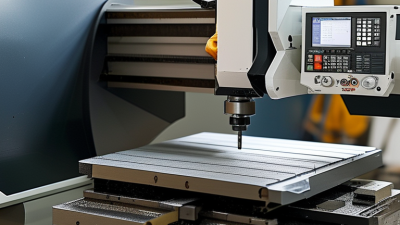
What Is the Best Small CNC Machine from China?
-
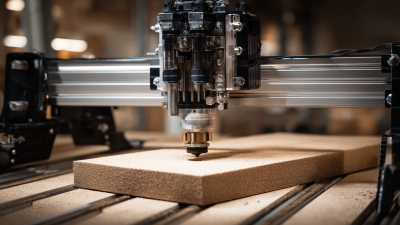
Exploring the Amazing World of CNC Routers for DIY Enthusiasts
-
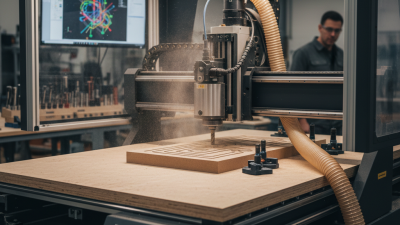
Top 10 CNC Router Machine Features You Should Know Before Buying
-
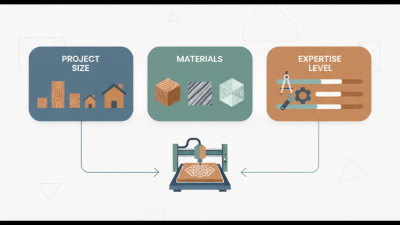
How to Choose the Best CNC Router Kit for Your Woodworking Projects
-
Top 10 CNC Machine Types You Need to Know for Precision Machining