
-
-
-
-
-
-
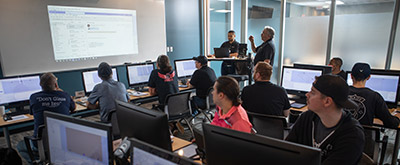
With a customized Stiles University course, we can provide expert training for your team, on-location. Whether it's programming, operation or maintenance, we want to help you train your personnel to meet your production goals efficiently and effectively.
-

Experience the trusted workforce development training and machinery knowledge you rely on from Stiles University, now at your convenience. With technology changing every day and new methods being developed constantly, Stiles University Online has the latest information and training content available at your fingertips.
-
-
-

Do you want to produce more efficiently? Processes and flows are key. We optimize these together with you, re-organize them and make sure that you reduce your lead time and save costs. This enables you to implement customized manufacturing and achieve your business goals.
-
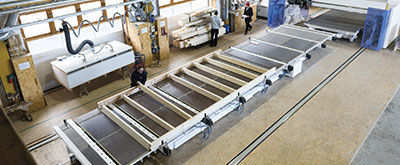
Industrialized construction is evolving. Automation, robotics and advanced technology are raising the level of productivity, efficiency and precision for builders in North America.
-
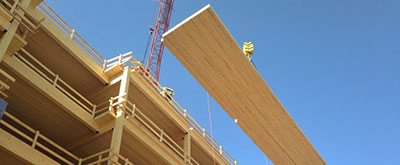
Stiles Machinery is at the forefront of providing technology and machining for producing high quality mass timber. Automated solutions for your mass timber production can increase your manufacturing quality and productivity.
-

Project management services from Stiles make it easy to streamline your entire project— from concept and consultation to integration and implementation.
-

-
-
-
-
-
-
With a customized Stiles University course, we can provide expert training for your team, on-location. Whether it's programming, operation or maintenance, we want to help you train your personnel to meet your production goals efficiently and effectively.
-
Experience the trusted workforce development training and machinery knowledge you rely on from Stiles University, now at your convenience. With technology changing every day and new methods being developed constantly, Stiles University Online has the latest information and training content available at your fingertips.
-
-
-
Do you want to produce more efficiently? Processes and flows are key. We optimize these together with you, re-organize them and make sure that you reduce your lead time and save costs. This enables you to implement customized manufacturing and achieve your business goals.
-
Industrialized construction is evolving. Automation, robotics and advanced technology are raising the level of productivity, efficiency and precision for builders in North America.
-
Stiles Machinery is at the forefront of providing technology and machining for producing high quality mass timber. Automated solutions for your mass timber production can increase your manufacturing quality and productivity.
-
Project management services from Stiles make it easy to streamline your entire project— from concept and consultation to integration and implementation.
-
Top 10 Benefits of Using a CNC Machine for Your Business
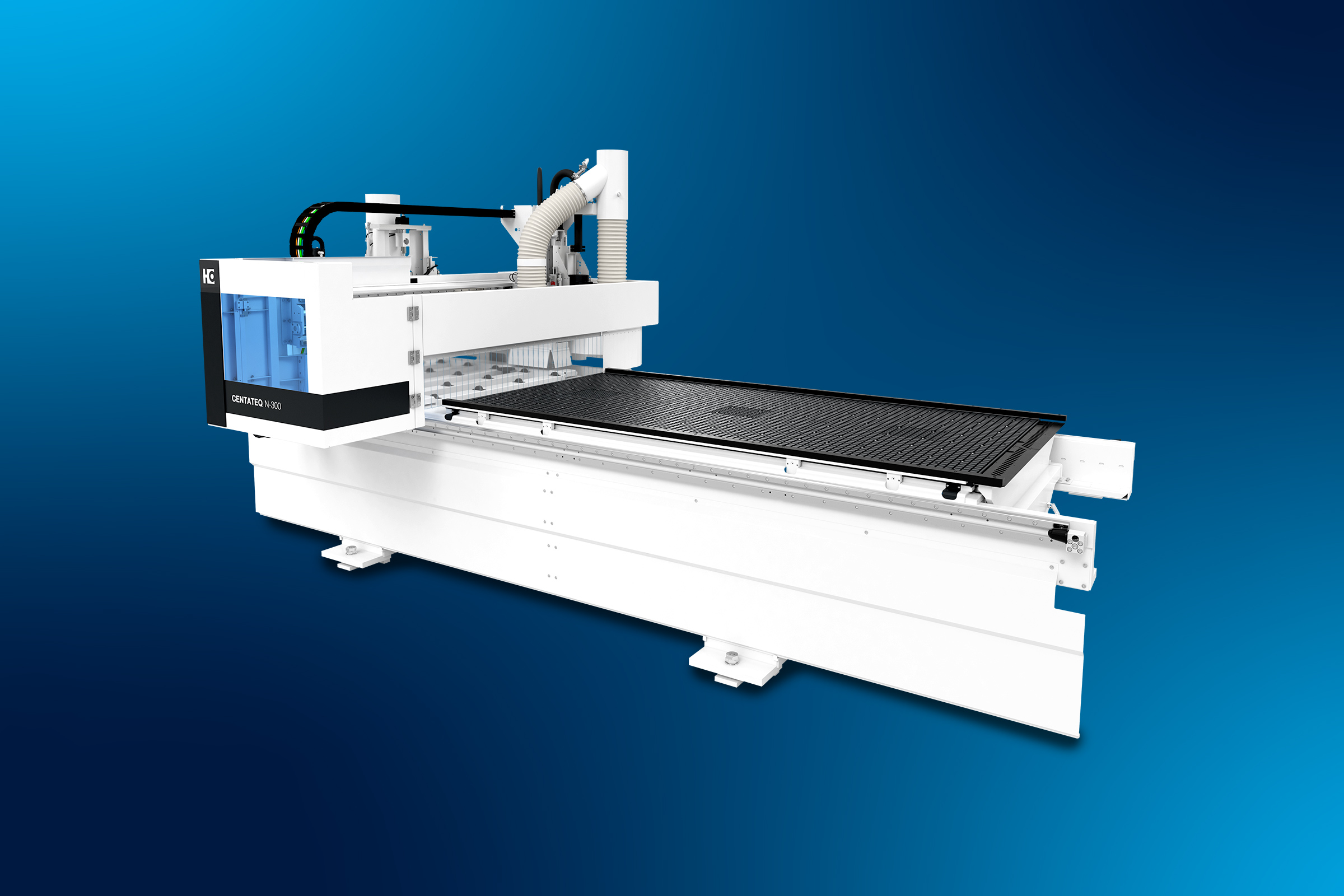
In the rapidly evolving manufacturing landscape, the CNC machine has emerged as a pivotal tool. According to a report by MarketsandMarkets, the global CNC machine market is expected to reach $117 billion by 2026, driven by increased demand for precision and automation. These machines are transforming business operations, enabling manufacturers to achieve higher efficiency and reduced production costs.
The versatility of CNC machines allows diverse industries to improve their workflows. For instance, aerospace manufacturers highly rely on CNC technology to produce intricate components with tight tolerances. Yet, despite these advantages, some businesses grapple with the initial investment and the steep learning curve associated with CNC machining. This highlights a critical moment where companies must balance potential gains against operational changes.
Adopting CNC machines can significantly enhance product quality and operational consistency. A survey by the Association for Manufacturing Technology revealed that 79% of manufacturers who integrated CNC technology reported improved production accuracy. However, companies must also consider the ongoing need for training and maintenance to fully realize these benefits. Embracing CNC technology is not just about machinery; it's about a cultural shift in manufacturing practices.
Benefits of Precision and Accuracy in CNC Machining
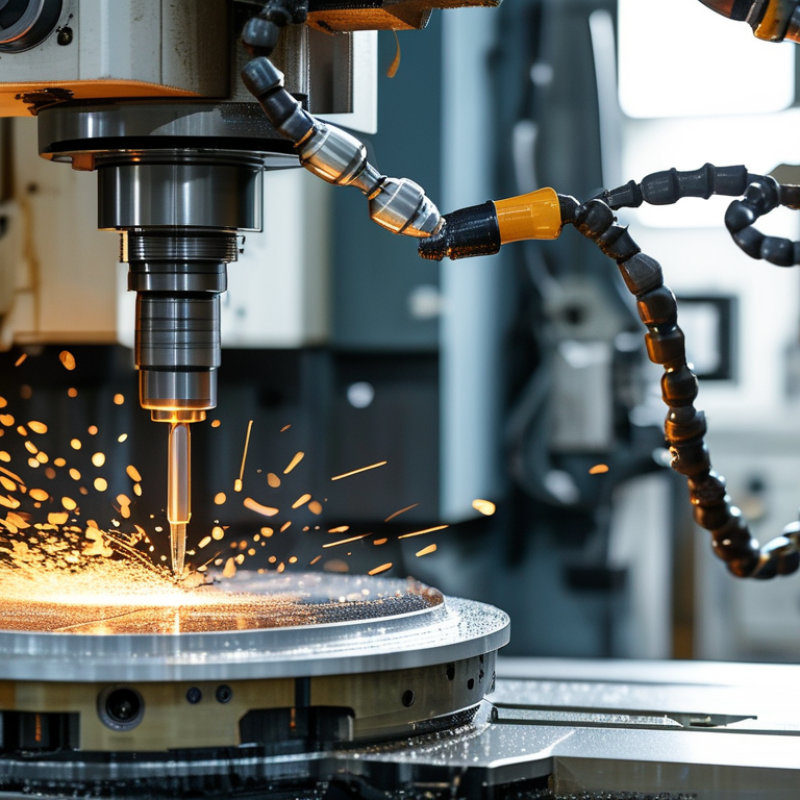
CNC machining offers unparalleled precision and accuracy for various industries. The technology allows businesses to produce parts within tolerances of ±0.001 inches, a critical requirement in sectors like aerospace and medical devices. This level of accuracy reduces the need for rework, saving both time and costs. A study by Research and Markets highlighted that precision engineering can improve product quality by 40%.
Despite the advantages, some companies face challenges in integrating CNC systems effectively. Operational issues can lead to variances in output. Even with high-precision machines, human error can affect the results, especially during setup and programming. Data from the National Institute of Standards and Technology indicates that manual errors account for nearly 30% of production flaws in CNC machining. Therefore, the expertise of operators and engineers is essential. Investing in training can help mitigate these risks.
The investment in CNC technology can be substantial, yet its ROI is undeniable. A well-implemented CNC system can enhance production rates significantly. According to the American Society of Mechanical Engineers, businesses reported a 50% decrease in production lead times after adopting CNC processes. Moreover, while the upfront costs may seem daunting, precision machining reduces material waste, further balancing financial outlays. These metrics underscore the importance of correct technology adoption and operator competency in achieving the promised benefits.
Top 10 Benefits of Using a CNC Machine for Your Business
| Benefit | Description | Impact on Business |
|---|---|---|
| Precision | CNC machines achieve high precision in cutting, shaping, and machining materials. | Improves product quality and reduces waste. |
| Accuracy | Ensures consistent accuracy across multiple parts. | Reduces rework and increases customer satisfaction. |
| Efficiency | CNC machines operate continuously without the need for breaks. | Increases production rates and lowers labor costs. |
| Flexibility | Easily reprogrammed for different tasks. | Facilitates quick adaptation to changes in design or demand. |
| Reduced Material Waste | Optimized cutting paths limit excess material removal. | Lowers material costs and aligns with sustainable practices. |
| Increased Safety | CNC machines minimize human interaction in dangerous processes. | Enhances workplace safety and reduces accidents. |
| Cost Effective | Lower production costs due to efficiency and reduced waste. | Improves profit margins for businesses. |
| Enhanced Production Control | CNC software allows for tracking and monitoring of production processes. | Facilitates better decision making and quality control. |
| Ability to Create Complex Designs | CNC technology enables intricate and detailed machining. | Expands creative possibilities and product offerings. |
| Longer Tool Life | CNC machines operate under regulated conditions, extending tool longevity. | Reduces maintenance costs and tool replacement frequency. |
Related Posts
-
Top CNC Machine Buying Guide for Global Buyers?
-
Exploring the Future of Manufacturing: How CNC Machines are Revolutionizing Production Techniques
-
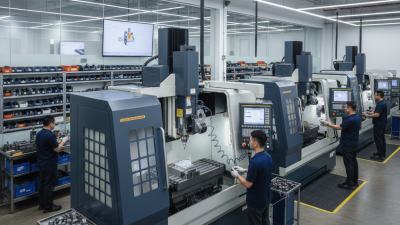
10 Essential Tips for Maximizing Efficiency with Your CNC Mill
-
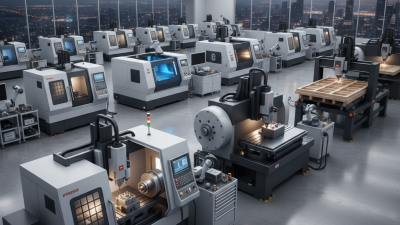
Top 10 CNC Machine Types You Need to Know for Precision Machining
-
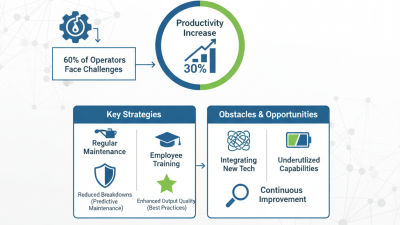
How to Optimize C and C Machine Operations for Maximum Efficiency?
-
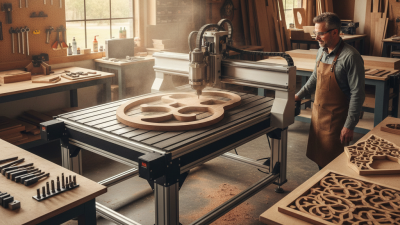
2026 How to Choose the Best CNC Router Table for Your Projects?