For support and service of your machinery, Stiles has experts available 24/7 to help reduce downtime and get you back in action.
Technical Support: 616-698-6615
Service & Repairs: 616-698-7500
24/7 Parts: 1-800-727-8780
sale@inlandmachineokc.com
Parts are available from Stiles 24 hours a day, seven days a week, and are shipped from our Grand Rapids, Michigan fulfillment center.
24/7 Parts: 800-727-8780

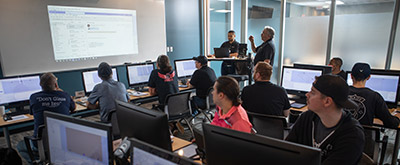
With a customized Stiles University course, we can provide expert training for your team, on-location. Whether it's programming, operation or maintenance, we want to help you train your personnel to meet your production goals efficiently and effectively.

Experience the trusted workforce development training and machinery knowledge you rely on from Stiles University, now at your convenience. With technology changing every day and new methods being developed constantly, Stiles University Online has the latest information and training content available at your fingertips.
616-698-7500

Do you want to produce more efficiently? Processes and flows are key. We optimize these together with you, re-organize them and make sure that you reduce your lead time and save costs. This enables you to implement customized manufacturing and achieve your business goals.

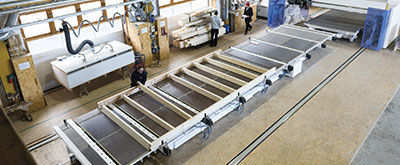
Industrialized construction is evolving. Automation, robotics and advanced technology are raising the level of productivity, efficiency and precision for builders in North America.

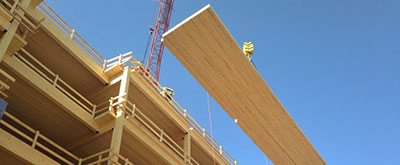
Stiles Machinery is at the forefront of providing technology and machining for producing high quality mass timber. Automated solutions for your mass timber production can increase your manufacturing quality and productivity.

Project management services from Stiles make it easy to streamline your entire project— from concept and consultation to integration and implementation.
For support and service of your machinery, Stiles has experts available 24/7 to help reduce downtime and get you back in action.
Technical Support: 616-698-6615
Service & Repairs: 616-698-7500
24/7 Parts: 1-800-727-8780
sale@inlandmachineokc.com
Parts are available from Stiles 24 hours a day, seven days a week, and are shipped from our Grand Rapids, Michigan fulfillment center.
24/7 Parts: 800-727-8780

With a customized Stiles University course, we can provide expert training for your team, on-location. Whether it's programming, operation or maintenance, we want to help you train your personnel to meet your production goals efficiently and effectively.

Experience the trusted workforce development training and machinery knowledge you rely on from Stiles University, now at your convenience. With technology changing every day and new methods being developed constantly, Stiles University Online has the latest information and training content available at your fingertips.
616-698-7500

Do you want to produce more efficiently? Processes and flows are key. We optimize these together with you, re-organize them and make sure that you reduce your lead time and save costs. This enables you to implement customized manufacturing and achieve your business goals.

Industrialized construction is evolving. Automation, robotics and advanced technology are raising the level of productivity, efficiency and precision for builders in North America.

Stiles Machinery is at the forefront of providing technology and machining for producing high quality mass timber. Automated solutions for your mass timber production can increase your manufacturing quality and productivity.

Project management services from Stiles make it easy to streamline your entire project— from concept and consultation to integration and implementation.
For support and service of your machinery, Stiles has experts available 24/7 to help reduce downtime and get you back in action.
Technical Support: 616-698-6615 Service & Repairs: 616-698-7500 24/7 Parts: 1-800-727-8780
Parts are available from Stiles 24 hours a day, seven days a week, and are shipped from our Grand Rapids, Michigan fulfillment center.
24/7 Parts: 800-727-8780For support and service of your machinery, Stiles has experts available 24/7 to help reduce downtime and get you back in action.
Technical Support: 616-698-6615 Service & Repairs: 616-698-7500 24/7 Parts: 1-800-727-8780
Parts are available from Stiles 24 hours a day, seven days a week, and are shipped from our Grand Rapids, Michigan fulfillment center.
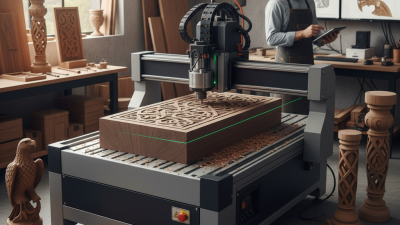
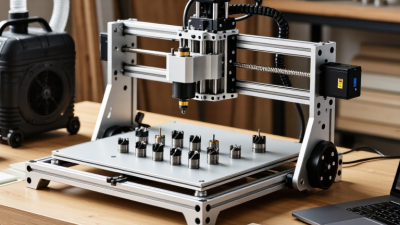
24/7 Parts: 800-727-8780Choosing a small cnc machine is not simply a matter of finding the lowest price. It is a practical decision about space, materials, accuracy, noise, maintenance, and future work. A compact machine may fit beside a workbench, yet struggle with aluminum plates or long cutting cycles. That difference matters.
John Saunders, founder of Saunders Machine Works, offers a useful principle: “The machine is a tool; the process creates the result.” His point is easy to overlook. Even a rigid frame cannot fix poor tooling, weak workholding, incorrect feeds, or neglected calibration. A shiny showroom sample can mislead you.
This guide presents seven practical tips for choosing a small cnc machine with clearer expectations. We will examine the working envelope, spindle power, machine rigidity, control software, material requirements, support, and total ownership cost. Check the details carefully. A stated travel range may not equal usable cutting space. A powerful spindle may still produce rough edges without suitable cutters. Cheap machines can become expensive after upgrades, shipping, software, and replacement parts.
Your workshop also shapes the decision. Measure the doorway. Consider the machine’s weight, ventilation, dust control, and electrical supply. Think about the parts you will make next year, not only this week. My own judgment could be too cautious here, but buying more capacity than necessary can waste money and valuable floor space. The best choice balances capability with honest daily use.
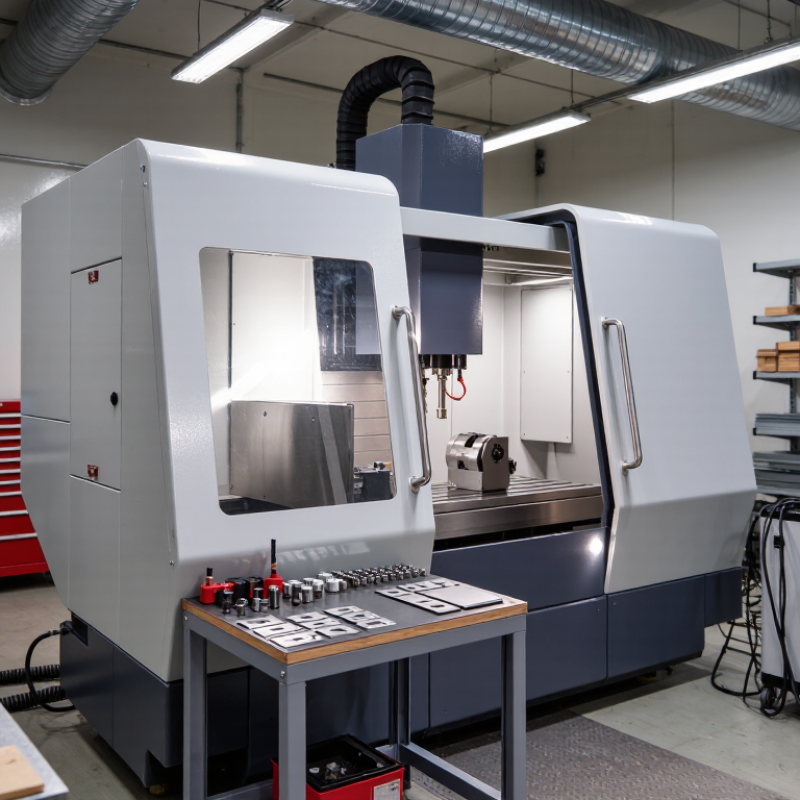
7 Tips for Choosing a Small CNC Machine
Define Your Machining Goals and Material Requirements
Before comparing machines, define the parts you actually need to make. A small CNC machine should match your work, not your wish list. Write down the largest part dimensions, expected tolerances, production quantity, and preferred finish. Be specific. A machine for engraving thin plastic needs different abilities than one cutting aluminum brackets.
Material choice changes nearly every requirement. Wood and plastics usually need less cutting force, while aluminum demands better rigidity, chip removal, and workholding. Steel requires even more caution and may exceed a compact machine’s practical limits. Check the material supplier’s cutting recommendations, then compare them with the machine’s spindle speed, power, and feed range. Marketing claims can sound impressive. Real cutting tests matter more.
Consider your daily workflow, too. Measure the available bench space, including room for clamps, cables, and chip collection. A small work area becomes frustrating when the material barely fits. I once underestimated the space needed for tool changes, and that mistake slowed every job. Leave clearance around the machine.
Choose realistic tolerances. A machine may repeat accurately in controlled conditions, but heat, vibration, loose workholding, and dull tools can reduce results. Test your common material with a simple sample cut before committing. Record cutting speed, tool wear, and surface quality. Your first estimate may be wrong, and that is useful information. It reveals which requirement truly matters.
Choosing a small CNC machine begins with the room, not the catalog. Measure the available installation area, including doors, columns, and electrical access. Then reserve space for loading, chip removal, maintenance, and safe operator movement. A machine measuring 1.2 meters wide may need nearly twice that width in practice. My first workshop layout was too tight. The table looked efficient, but opening the control cabinet became awkward.
Compare usable workspace with the parts you actually make. A 500-millimeter table does not provide 500 millimeters of practical cutting space. Fixtures, clamps, tool changes, and spindle travel reduce the working envelope. Leave clearance above the machine for lifting tools and servicing the spindle. The U.S. Occupational Safety and Health Administration requires sufficient clearance for safe operations, although it does not prescribe one universal aisle dimension. Local fire and electrical rules still matter.
Professional market data also supports careful planning. Fortune Business Insights valued the global CNC machine market at 83.99 billion dollars in 2023 and projected 128.41 billion dollars by 2032. More workshops are adopting compact equipment, but “small” does not mean simple. Check machine weight, floor loading, vibration, coolant handling, and delivery access. ISO 12100 risk principles encourage identifying hazards before installation. A cardboard floor template can expose problems early. It is crude, but useful. Recheck every measurement after selecting the workholding system; that detail is easy to underestimate.
Compare the usable work envelope, machine footprint, and recommended installation area before choosing a small CNC machine. The figures below are representative planning values for common small-machine categories and exclude brand-specific models.
A larger work envelope does not always mean better space efficiency. Allow room for loading material, opening doors, collecting chips, servicing the machine, and safely routing power and extraction connections.
Choosing a small CNC machine starts with spindle power, not appearance. A compact frame may look capable, yet a weak spindle can struggle with hardwood or aluminum. Match power to your materials, cutter diameter, and expected cutting depth. For light engraving, modest power may be sufficient. For repeated milling, reserve extra capacity. I once underestimated this margin. The machine completed the job, but the spindle sounded strained.
Precision depends on more than published resolution. Check frame rigidity, screw design, bearing quality, and table movement. A visible 0.01 mm setting does not guarantee a 0.01 mm finished cut. Test repeatability with a small square pocket, then measure it after several runs. Keep notes. Speed control also matters. Variable spindle speed helps match cutters to wood, plastic, or softer metals. Feed-rate adjustment should be easy during a cut. Too much speed can burn material; too little can cause rubbing. Watch the chips.
Control features should support safe, repeatable work rather than add decoration. Look for clear jog controls, homing, emergency stopping, limit protection, and reliable file transfer. A controller showing position and spindle status can prevent avoidable mistakes. Compatibility with common design and toolpath workflows saves setup time. Still, automation is not judgment. Verify zero points, tool length, and clamping before every job. A small machine rewards patience. It also exposes careless assumptions.
Choosing a small CNC machine is less about bench size than daily control. In my workshop trials, software mismatch caused more delays than cutting power. Check whether the machine accepts your preferred design files and toolpaths. A familiar interface reduces mistakes when the material is expensive. Ask about offline operation, update methods, and available training materials. Some controllers require conversions that quietly alter dimensions. Run a test file and measure the result with calipers. It is a small step. It can prevent wasted stock.
Safety should be visible, not hidden in a manual. Look for a reachable emergency stop, reliable limit switches, and a secure enclosure. The door should stop motion immediately, not after the cutter completes its pass. A clear viewing window helps you watch dust, vibration, and tool wear. Good lighting matters when checking a 2-millimeter end mill. Confirm that dust extraction connects securely and does not obstruct moving parts. Ease of use also includes loading material, setting zero, changing tools, and cleaning chips. If these tasks need awkward force, users may skip them. That is where my judgment becomes less certain. A simple machine can still reward careful training and punish rushed setup. Ask for a supervised demonstration before purchase, then repeat the setup alone.
| No. | Selection Tip | Key Data Dimension | What to Check | Practical Target | Why It Matters |
|---|---|---|---|---|---|
| 1 | Match the Work Envelope | Usable X, Y, and Z travel | Measure the largest part and tool clearance needed. Compare those dimensions with the machine’s actual working area, not its external footprint. | At least 10% larger than the largest planned job | Reduces repositioning and prevents collisions with the machine frame. |
| 2 | Check Material Capability | Supported materials and spindle capacity | Confirm whether the machine is intended for plastics, wood, non-ferrous metals, or other materials. Review spindle power, speed range, collet size, and recommended cutting parameters. | Capacity must cover the hardest planned material | Prevents excessive vibration, tool wear, poor surface finish, and motor overload. |
| 3 | Verify Software Compatibility | CAD/CAM workflow and machine-control format | Check supported file formats, post-processors, operating systems, USB or network connection, firmware requirements, and whether the controller accepts standard G-code. | Use your existing CAD/CAM files without format conversion | Avoids workflow interruptions and compatibility-related setup costs. |
| 4 | Prioritize Safety Systems | Emergency stop, guarding, interlocks, and restart protection | Look for a clearly accessible emergency-stop control, enclosed or guarded moving parts, door interlocks where applicable, overload protection, and a controlled restart after power loss. | All listed safety functions should be testable before purchase | Limits access to hazards and helps stop unexpected machine movement. |
| 5 | Evaluate Ease of Use | Setup time, controls, homing, and tool changes | Review the startup procedure, work-zero setting, homing sequence, jog controls, tool-change method, probe support, and availability of clear operating instructions. | A first-time operator can complete basic setup with documented steps | Shorter setup times improve productivity and reduce operator errors. |
| 6 | Compare Accuracy and Rigidity | Repeatability, frame stiffness, guides, and drive system | Check published accuracy and repeatability definitions, guide type, screw or belt drive, frame construction, table support, and whether test results are provided under stated conditions. | Published specifications must meet the tolerance of the intended parts | A rigid structure helps maintain dimensional consistency and surface quality. |
| 7 | Assess Workspace and Support Needs | Footprint, power, noise, dust control, maintenance, and training | Measure available bench or floor space. Confirm electrical requirements, ventilation, dust or chip collection, lubrication points, spare-part access, documentation, and technical support. | Leave service access around the machine and provide suitable extraction or containment | A suitable installation environment improves safety, reliability, and long-term operating cost. |
Choosing a small CNC machine involves more than checking its cutting size. Review the maintenance schedule before comparing prices. Ask how often rails need cleaning, spindle bearings need inspection, and filters need replacement. Simple access panels can reduce service time and frustration. Keep it practical.
In my workshop, I learned that dust buildup can affect accuracy within weeks. A sealed enclosure helps, but it does not remove daily cleaning. Check whether the machine supports easy calibration and tool changes. Request the service manual before purchase. It reveals more than a polished sales page. Also, confirm the availability of trained technicians, spare parts, remote diagnosis, and response times. Weak support can stop production for several days.
Calculate total ownership cost over three to five years. Include tooling, software updates, electricity, coolant, maintenance labor, training, shipping, and possible repairs. A lower purchase price may hide expensive downtime. Ask for realistic service intervals, not optimistic estimates. I once underestimated tooling costs and had to revise my budget. That mistake was avoidable. Compare warranty coverage carefully, especially for motors, control boards, and precision components. Document every expected expense in a simple spreadsheet. Leave room for unexpected repairs. Machines rarely behave exactly like brochures suggest.