
-
-
-
-
-
-

With a customized Stiles University course, we can provide expert training for your team, on-location. Whether it's programming, operation or maintenance, we want to help you train your personnel to meet your production goals efficiently and effectively.
-

Experience the trusted workforce development training and machinery knowledge you rely on from Stiles University, now at your convenience. With technology changing every day and new methods being developed constantly, Stiles University Online has the latest information and training content available at your fingertips.
-
-
-

Do you want to produce more efficiently? Processes and flows are key. We optimize these together with you, re-organize them and make sure that you reduce your lead time and save costs. This enables you to implement customized manufacturing and achieve your business goals.
-
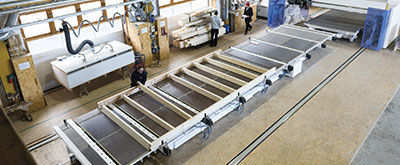
Industrialized construction is evolving. Automation, robotics and advanced technology are raising the level of productivity, efficiency and precision for builders in North America.
-

Stiles Machinery is at the forefront of providing technology and machining for producing high quality mass timber. Automated solutions for your mass timber production can increase your manufacturing quality and productivity.
-

Project management services from Stiles make it easy to streamline your entire project— from concept and consultation to integration and implementation.
-


-
-
-
-
-
-
With a customized Stiles University course, we can provide expert training for your team, on-location. Whether it's programming, operation or maintenance, we want to help you train your personnel to meet your production goals efficiently and effectively.
-
Experience the trusted workforce development training and machinery knowledge you rely on from Stiles University, now at your convenience. With technology changing every day and new methods being developed constantly, Stiles University Online has the latest information and training content available at your fingertips.
-
-
-
Do you want to produce more efficiently? Processes and flows are key. We optimize these together with you, re-organize them and make sure that you reduce your lead time and save costs. This enables you to implement customized manufacturing and achieve your business goals.
-
Industrialized construction is evolving. Automation, robotics and advanced technology are raising the level of productivity, efficiency and precision for builders in North America.
-
Stiles Machinery is at the forefront of providing technology and machining for producing high quality mass timber. Automated solutions for your mass timber production can increase your manufacturing quality and productivity.
-
Project management services from Stiles make it easy to streamline your entire project— from concept and consultation to integration and implementation.
-
Top 10 CNC Router Tables for Every Budget in 2026
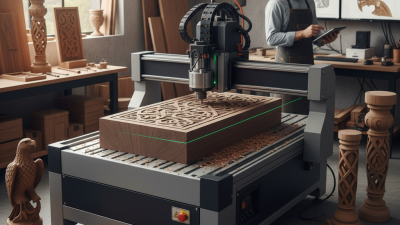
Choosing a CNC router table in 2026 is not simply a matter of comparing prices. The right machine must match your workspace, materials, skills, and production goals. A compact hobbyist model may handle plywood signs beautifully, yet struggle with hardwood panels or long production runs. Larger machines offer more working area, but they also demand stronger floors, better dust collection, and greater maintenance discipline.
CNC educator and Shapeoko founder Edward Ford has often emphasized a practical principle: “The goal is to make CNC accessible, useful, and enjoyable.” That idea guides this comparison. Each cnc router table in our selection is considered through real workshop needs, including frame rigidity, spindle power, cutting accuracy, software support, assembly time, and replacement-part availability. We also examine less glamorous details. Does the spoilboard stay flat? Can the controller recover after a failed job? Is the dust port positioned where it actually works?
Some rankings remain debatable. They should. A $700 machine may be excellent for weekend projects, while a $7,000 system could be excessive for occasional use. Price alone does not define value. Neither does advertising.
You will find options for beginners, makers, cabinet shops, educators, and demanding small businesses. Expect trade-offs. No table wins every test. Our aim is not to crown one universal winner, but to clarify which cnc router table fits your budget and working habits. Measure twice. Then question the result.
CNC Router Table Fundamentals: Working Area, Spindle Power, Accuracy, and Safety
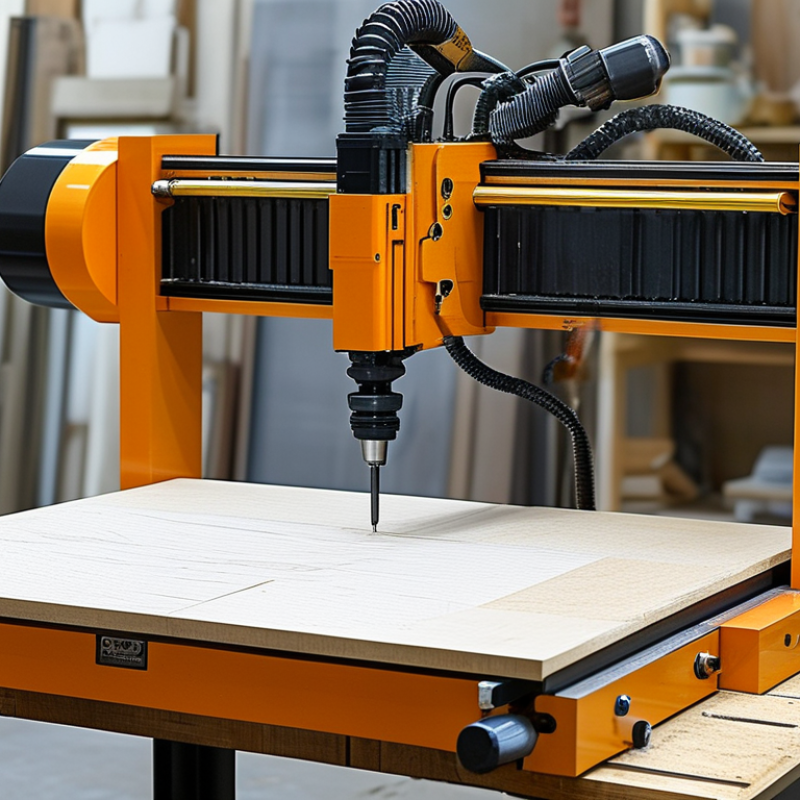
Choosing among the top 10 CNC router tables for every budget in 2026 starts with the working area. Measure your real projects, not your ideal projects. A 600 by 900 millimeter bed suits signs, panels, and small furniture parts. Larger beds handle full sheets, but they need more floor space and stronger support. Remember, usable travel is often smaller than the advertised table size. I learned this after clamping a wide board and losing several centimeters of cutting room.
Spindle power affects material choice, cutting speed, and surface quality. Low-power spindles can manage plastics, plywood, and light hardwood with shallow passes. Higher power helps with deeper cuts, but it does not automatically improve results. Excessive speed can burn wood, melt plastic, or damage small tools. Test cuts matter. I still prefer three light passes over one aggressive pass, even when the machine seems capable.
Accuracy depends on rigidity, calibration, tool condition, and dust control. A rigid frame should resist movement when you press lightly against the gantry. Check the bed with a straightedge, then measure repeated cuts with calipers. A missed 0.2 millimeter can become obvious during assembly. Safety deserves equal attention: use eye protection, secure the workpiece, control dust, and keep loose clothing away from moving parts. An emergency stop, enclosed cutting area, and clear operating instructions reduce avoidable mistakes. No setup is perfect; mine still needs recalibration after heavy use.
Related Posts
-
Exploring the Amazing World of CNC Routers for DIY Enthusiasts
-
Top 5 CNC Router Kits for Ultimate Precision and DIY Projects in 2023
-
Best CNC Router Kit For Precision Cutting and Creative Projects?
-
2026 Best CNC Wood Carving Machine for Precision and Creativity?
-
How to Use a CNC Wood Router for Perfectly Crafted Projects?
-
Best CNC Wood Carving Machines for Precision Crafting?