For support and service of your machinery, Stiles has experts available 24/7 to help reduce downtime and get you back in action.
Technical Support: 616-698-6615
Service & Repairs: 616-698-7500
24/7 Parts: 1-800-727-8780
sale@inlandmachineokc.com
Parts are available from Stiles 24 hours a day, seven days a week, and are shipped from our Grand Rapids, Michigan fulfillment center.
24/7 Parts: 800-727-8780

With a customized Stiles University course, we can provide expert training for your team, on-location. Whether it's programming, operation or maintenance, we want to help you train your personnel to meet your production goals efficiently and effectively.

Experience the trusted workforce development training and machinery knowledge you rely on from Stiles University, now at your convenience. With technology changing every day and new methods being developed constantly, Stiles University Online has the latest information and training content available at your fingertips.
616-698-7500

Do you want to produce more efficiently? Processes and flows are key. We optimize these together with you, re-organize them and make sure that you reduce your lead time and save costs. This enables you to implement customized manufacturing and achieve your business goals.

Industrialized construction is evolving. Automation, robotics and advanced technology are raising the level of productivity, efficiency and precision for builders in North America.

Stiles Machinery is at the forefront of providing technology and machining for producing high quality mass timber. Automated solutions for your mass timber production can increase your manufacturing quality and productivity.

Project management services from Stiles make it easy to streamline your entire project— from concept and consultation to integration and implementation.
For support and service of your machinery, Stiles has experts available 24/7 to help reduce downtime and get you back in action.
Technical Support: 616-698-6615
Service & Repairs: 616-698-7500
24/7 Parts: 1-800-727-8780
sale@inlandmachineokc.com
Parts are available from Stiles 24 hours a day, seven days a week, and are shipped from our Grand Rapids, Michigan fulfillment center.
24/7 Parts: 800-727-8780

With a customized Stiles University course, we can provide expert training for your team, on-location. Whether it's programming, operation or maintenance, we want to help you train your personnel to meet your production goals efficiently and effectively.

Experience the trusted workforce development training and machinery knowledge you rely on from Stiles University, now at your convenience. With technology changing every day and new methods being developed constantly, Stiles University Online has the latest information and training content available at your fingertips.
616-698-7500

Do you want to produce more efficiently? Processes and flows are key. We optimize these together with you, re-organize them and make sure that you reduce your lead time and save costs. This enables you to implement customized manufacturing and achieve your business goals.

Industrialized construction is evolving. Automation, robotics and advanced technology are raising the level of productivity, efficiency and precision for builders in North America.

Stiles Machinery is at the forefront of providing technology and machining for producing high quality mass timber. Automated solutions for your mass timber production can increase your manufacturing quality and productivity.

Project management services from Stiles make it easy to streamline your entire project— from concept and consultation to integration and implementation.
For support and service of your machinery, Stiles has experts available 24/7 to help reduce downtime and get you back in action.
Technical Support: 616-698-6615 Service & Repairs: 616-698-7500 24/7 Parts: 1-800-727-8780
Parts are available from Stiles 24 hours a day, seven days a week, and are shipped from our Grand Rapids, Michigan fulfillment center.
24/7 Parts: 800-727-8780For support and service of your machinery, Stiles has experts available 24/7 to help reduce downtime and get you back in action.
Technical Support: 616-698-6615 Service & Repairs: 616-698-7500 24/7 Parts: 1-800-727-8780
Parts are available from Stiles 24 hours a day, seven days a week, and are shipped from our Grand Rapids, Michigan fulfillment center.
24/7 Parts: 800-727-8780Choosing the right cnc wood router is less about buying the largest machine. It is about matching cutting demands, workshop limits, and long-term production goals. A hobbyist carving signs needs different performance from a cabinet shop cutting plywood sheets daily. Spindle power, working area, rigidity, dust extraction, software compatibility, and service support all affect the final result. Small errors matter.
Industry data supports careful selection. Grand View Research’s CNC Router Market Size, Share & Trends Analysis Report estimates continued global market growth through 2030, with automation and customized manufacturing driving demand. That growth creates more choices, but not necessarily better decisions. A low-cost router may appear attractive, yet weak linear rails or poor calibration can produce visible ridges on walnut and inaccurate joints in birch plywood. The cheapest quote can become expensive rework.
Safety and reliability deserve equal attention. The UK Health and Safety Executive identifies airborne wood dust as a serious occupational hazard, including respiratory risks. Therefore, an effective dust-collection system should be evaluated with the same care as cutting speed. ISO 16090-1 also provides a useful reference for machine-tool safety principles, guarding, and risk reduction. These standards do not select a machine for you.
A practical comparison should begin with real materials and jobs. Test a 12-millimeter plywood panel, a hardwood sample, and a detailed relief carving. Observe edge quality, noise, vibration, setup time, and dust capture. I have seen impressive specifications fail during ordinary workshop tasks. That is worth remembering. This guide explains how to choose a cnc wood router that fits your work, budget, space, and expectations.
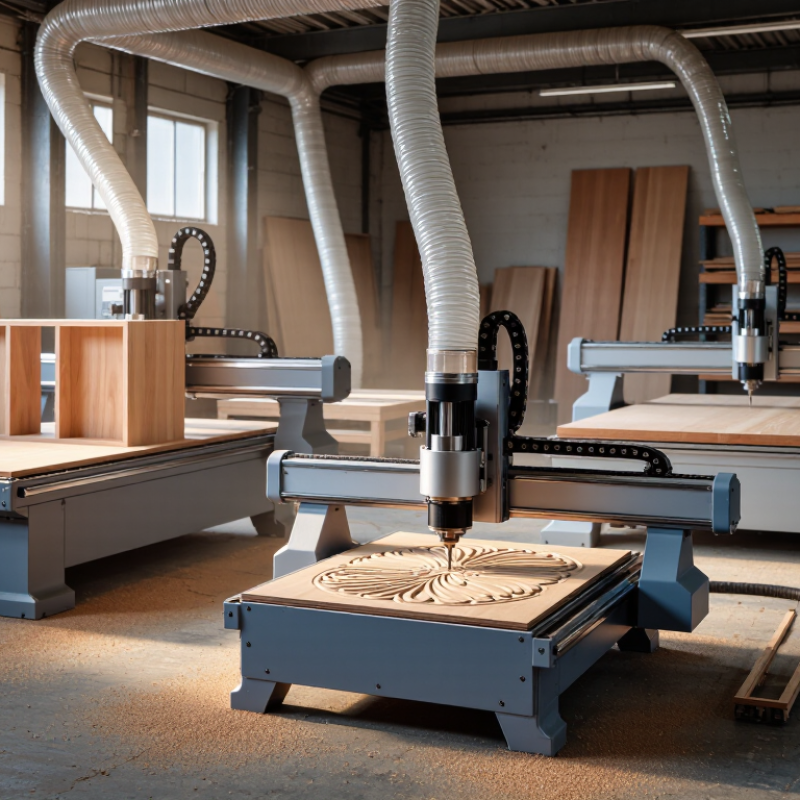
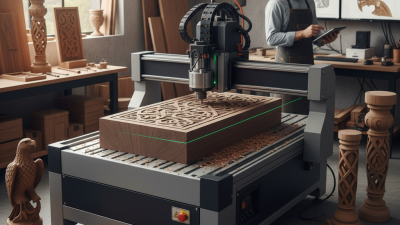
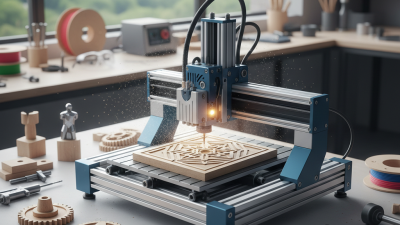
Choosing the best CNC wood router begins with understanding its machine type. A 3-axis router handles signs, cabinet parts, and flat panels efficiently. It moves along the X, Y, and Z axes. A 4-axis model adds rotation for rounded workpieces. A 5-axis machine cuts complex shapes, but it demands better programming skills and a larger budget. For many workshops, a rigid 3-axis frame is the more practical choice.
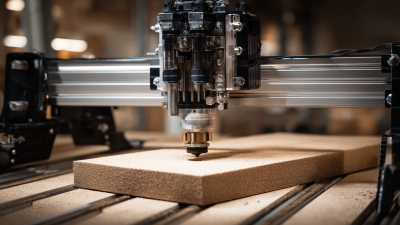
The core components affect cutting quality more than appearance. The spindle determines speed, cutting power, and suitable tool sizes. A high-speed spindle can produce clean edges, but excessive speed may burn hardwood. The linear rails and ball screws control movement accuracy. Check for smooth travel and minimal play. The controller should support reliable file transfer and clear position feedback. A strong spoilboard keeps thin sheets stable, while a dust collection system protects visibility and machine performance.
In my workshop, I once chose a machine with a larger cutting area than necessary. It occupied valuable space and increased setup time. Bigger is not always better. I now compare the work envelope with my actual material sizes. I also inspect the collet, emergency stop, cable routing, and maintenance access before purchasing. These details seem minor. They are not. A router can appear precise during a demonstration, yet poor dust removal or weak clamping may create problems later. My judgment is still imperfect, so test cuts remain essential. Small samples reveal vibration, tear-out, and software mistakes before valuable wood is used.
Choosing the best CNC wood router starts with your actual woodworking requirements, not the machine’s advertised power. Measure your largest panel and add working space for clamps, dust collection, and tool movement. A 600 × 900 mm cutting area may suit signs and cabinet doors, while furniture makers often need a larger bed.
Match spindle power to material thickness and production pace. For hardwood, a rigid frame and steady spindle control usually matter more than maximum speed. Check the available speed range, collet sizes, Z-axis clearance, and repeatability. A router with limited clearance may struggle with raised panels or thick joinery. Test the machine’s stiffness by examining its frame, gantry, and linear motion. Small movement becomes visible on a long edge.
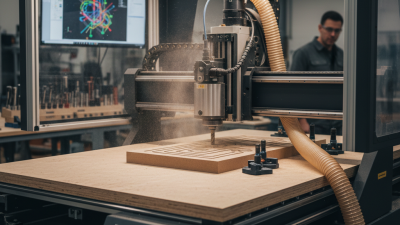
Control software also affects daily work. Choose a system that supports your design files and allows clear adjustments for feed rate, depth, and tool changes. Reliable dust extraction is essential; fine wood dust can quickly cover rails and sensors. In my workshop, I once chose a compact machine for its low price, then discovered that clamping large boards was awkward. I still question that decision.
A smaller router can be excellent, but only when its limits match your projects, workspace, and expected workload. Safety switches and accessible emergency controls should never be treated as optional features.
Choosing a CNC wood router starts with the workpiece, not the machine’s advertised power. Measure your largest panel, deepest cut, and required tool diameter. A 1,220 × 2,440 mm bed suits standard sheets, while smaller furniture parts may need less space. Cutting capacity also depends on spindle clearance, gantry stiffness, and dust extraction.
Accuracy deserves practical testing. Check repeatability, backlash, and the quality of the linear guides. A router may claim 0.01 mm resolution, yet material movement can reduce real-world precision. Use a test grid and measure finished pockets with calipers. Speed matters too. Faster feed rates improve production, but excessive speed can burn edges or tear grain. Grand View Research valued the global CNC machine market at approximately USD 86.65 billion in 2023, with strong projected growth through 2030. That growth reflects rising automation, not guaranteed accuracy.
Tips: Compare cutting tests, not brochures. Ask for repeatability data. Start with conservative feed rates. Record every failed cut. Control features should include offline file handling, emergency stopping, toolpath simulation, and reliable workholding. A 2023 Deloitte manufacturing survey reported that many manufacturers still struggle to scale digital tools beyond pilot projects. This is worth remembering. Complex software is not automatically better. I would choose a simpler controller if operators can recover from errors quickly. Also, inspect maintenance access, calibration procedures, and service documentation before buying. A beautiful first cut can hide expensive daily friction.
The chart compares representative specifications for three common CNC wood router categories. Larger work envelopes improve cutting capacity, lower positioning-error values indicate higher accuracy, and higher spindle speeds support faster material removal. Choose the machine class that matches your workpiece size, required detail, production volume, and preferred control features.
The best CNC wood router depends on the materials you plan to cut. Soft pine cuts easily, while dense hardwood demands stronger rigidity and slower feed rates. MDF produces fine, persistent dust, so effective extraction is essential. Plywood can splinter when the cutter or feed direction is unsuitable. Start with sample cuts on scrap material. Test on scrap.
Tooling choices also affect edge quality and operating cost. Carbide end mills suit most woodworking tasks. Upcut bits remove chips efficiently, but they may lift thin sheets. Downcut bits press the surface down and leave cleaner top edges. Compression bits can reduce tear-out on laminated boards. Choose the diameter according to detail size and material thickness. A clean collet and minimal runout are just as important as cutter quality. I once blamed a dull bit for poor edges, then discovered an improperly seated collet.
Safety should shape the machine choice, not follow it. Look for reliable guarding, an accessible emergency stop, and stable workholding. Wear eye and hearing protection, and connect dust extraction before cutting. Never reach near a rotating tool, even during a short pause. Keep it simple. Good maintenance protects both accuracy and safety. Remove chips from rails, check belts, and inspect the collet regularly. Lubricate only where the equipment instructions permit it. Replace cracked or dull cutters immediately. Record feed rates and cutting results, although my notes are not always consistent. Small checks matter. Calibration should be confirmed after heavy jobs or accidental impacts.
Choosing the best CNC wood router starts with your actual workspace, not an impressive specification sheet. Measure the available floor area, door width, power outlets, and dust extraction route. A machine may fit on paper but leave no room for loading a full plywood panel. Keep walking space clear. Safety depends on it.
Budget planning should include tooling, software, spoilboards, clamps, maintenance, and electricity. A lower purchase price can become expensive when replacement parts are difficult to source. Support matters. Before buying, ask how quickly technical questions receive answers and whether manuals explain calibration clearly. Clear documentation often saves hours of guesswork.
My own early estimates were too optimistic. I forgot to budget for several cutters and a stronger dust hose.
Long-term value depends on what you plan to make over several years. Check the working area, spindle capability, frame rigidity, upgrade options, and control system. A rigid machine usually produces cleaner edges on hardwood and reduces repeated sanding. Look for accessible bearings, standard fittings, and replaceable components. Keep records. Note maintenance dates, cutting settings, and recurring errors. This practical history can reveal whether a machine is truly reliable. However, more features are not always better. Complex software may slow a small workshop if you only cut signs and cabinet parts. Speak with experienced operators, inspect real sample cuts, and compare service terms carefully before committing.