-
-
-
-
-
-

With a customized Stiles University course, we can provide expert training for your team, on-location. Whether it's programming, operation or maintenance, we want to help you train your personnel to meet your production goals efficiently and effectively.
-

Experience the trusted workforce development training and machinery knowledge you rely on from Stiles University, now at your convenience. With technology changing every day and new methods being developed constantly, Stiles University Online has the latest information and training content available at your fingertips.
-
-
-

Do you want to produce more efficiently? Processes and flows are key. We optimize these together with you, re-organize them and make sure that you reduce your lead time and save costs. This enables you to implement customized manufacturing and achieve your business goals.
-
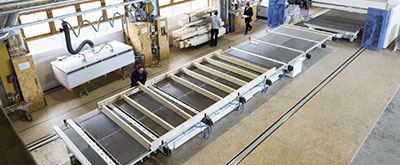
Industrialized construction is evolving. Automation, robotics and advanced technology are raising the level of productivity, efficiency and precision for builders in North America.
-
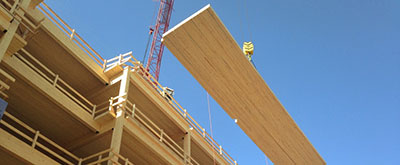
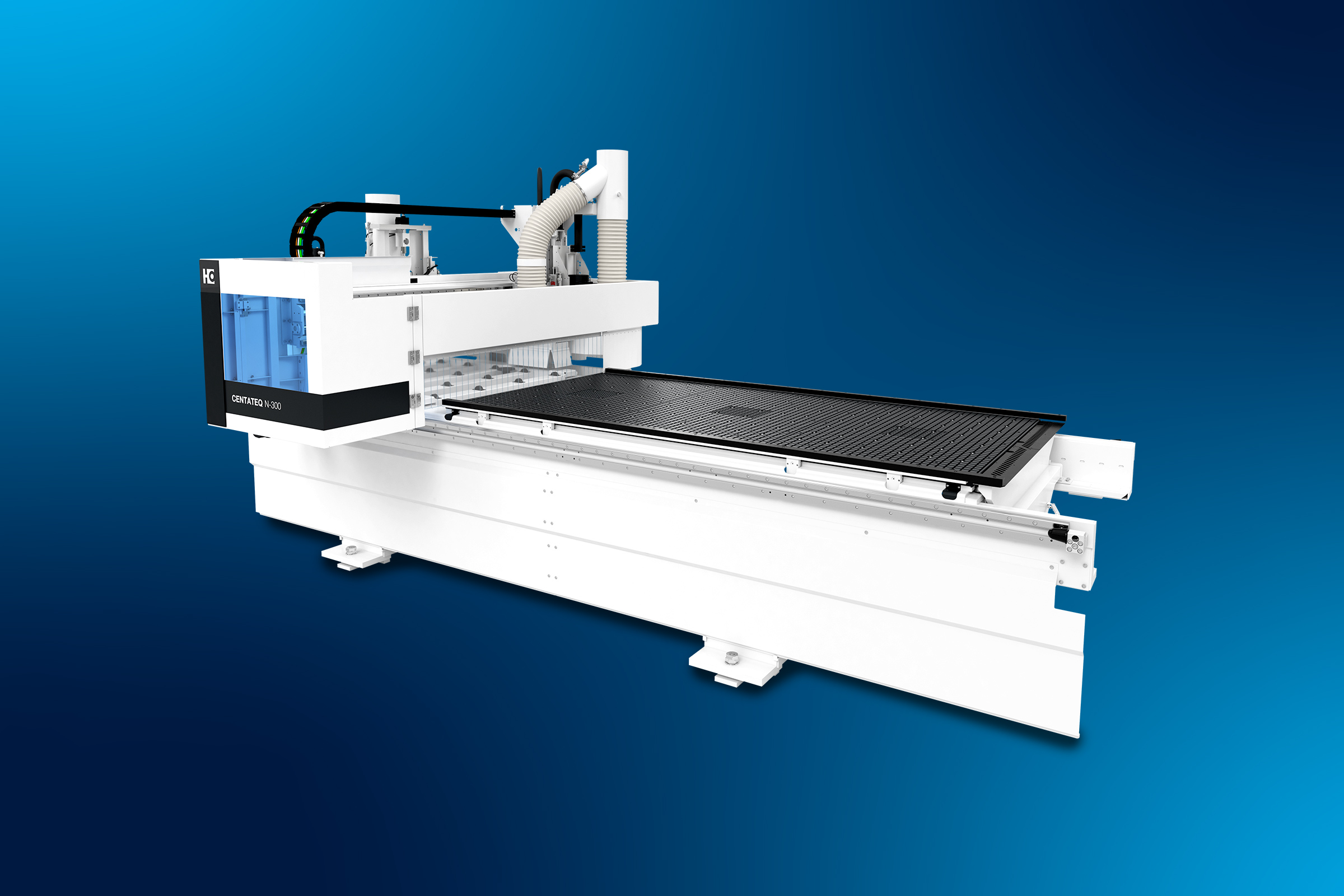
Stiles Machinery is at the forefront of providing technology and machining for producing high quality mass timber. Automated solutions for your mass timber production can increase your manufacturing quality and productivity.
-

Project management services from Stiles make it easy to streamline your entire project— from concept and consultation to integration and implementation.
-


-
-
-
-
-
-
With a customized Stiles University course, we can provide expert training for your team, on-location. Whether it's programming, operation or maintenance, we want to help you train your personnel to meet your production goals efficiently and effectively.
-
Experience the trusted workforce development training and machinery knowledge you rely on from Stiles University, now at your convenience. With technology changing every day and new methods being developed constantly, Stiles University Online has the latest information and training content available at your fingertips.
-
-
-
Do you want to produce more efficiently? Processes and flows are key. We optimize these together with you, re-organize them and make sure that you reduce your lead time and save costs. This enables you to implement customized manufacturing and achieve your business goals.
-
Industrialized construction is evolving. Automation, robotics and advanced technology are raising the level of productivity, efficiency and precision for builders in North America.
-
Stiles Machinery is at the forefront of providing technology and machining for producing high quality mass timber. Automated solutions for your mass timber production can increase your manufacturing quality and productivity.
-
Project management services from Stiles make it easy to streamline your entire project— from concept and consultation to integration and implementation.
-
What Is the Best CNC Machine to Buy?
Choosing the best CNC machine to buy starts with the work, not the brochure. A compact mill can suit a prototype shop, while a production floor may need a turning center with a bar feeder. Consider the materials, part sizes, tolerances, daily output, and available floor space before comparing models. That matters.
Market growth makes the choice more crowded. Grand View Research estimated the global CNC machine market at USD 83.99 billion in 2023 and forecast a 5.3% compound annual growth rate from 2024 to 2030. These figures describe a broad market, not a guarantee that any specific machine will pay for itself. Definitions and product categories can also vary across reports.
Shigeo Shingo, a Japanese industrial engineer known for his work on manufacturing systems, wrote, “The most dangerous kind of waste is the waste we do not recognize.” His warning fits machine purchasing: idle capacity, difficult setups, and service delays can quietly outweigh a low purchase price. No machine wins everywhere.
This guide compares mills, lathes, routers, and multi-axis systems against real shop needs. It also examines tooling, control software, maintenance, training, and total ownership cost. If you searched for “c and c machine,” the same practical questions still apply. Fit comes first. I should acknowledge one limitation: no single model is best for every shop, and even a careful checklist cannot replace a test cut or a conversation with the supplier’s service team.
Identify the Materials and Tasks the CNC Machine Must Handle
What Is the Best CNC Machine to Buy?
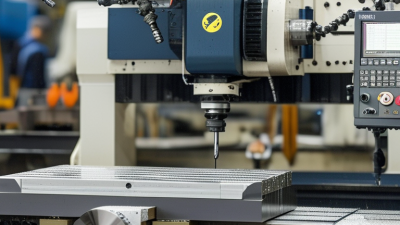
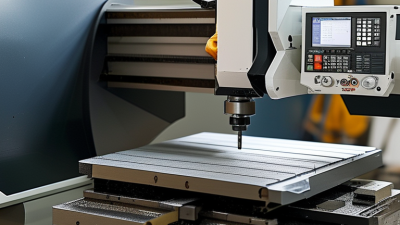
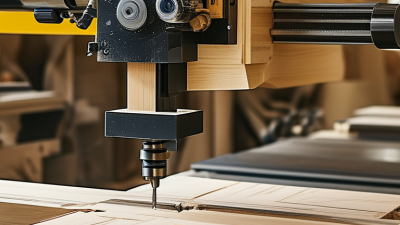
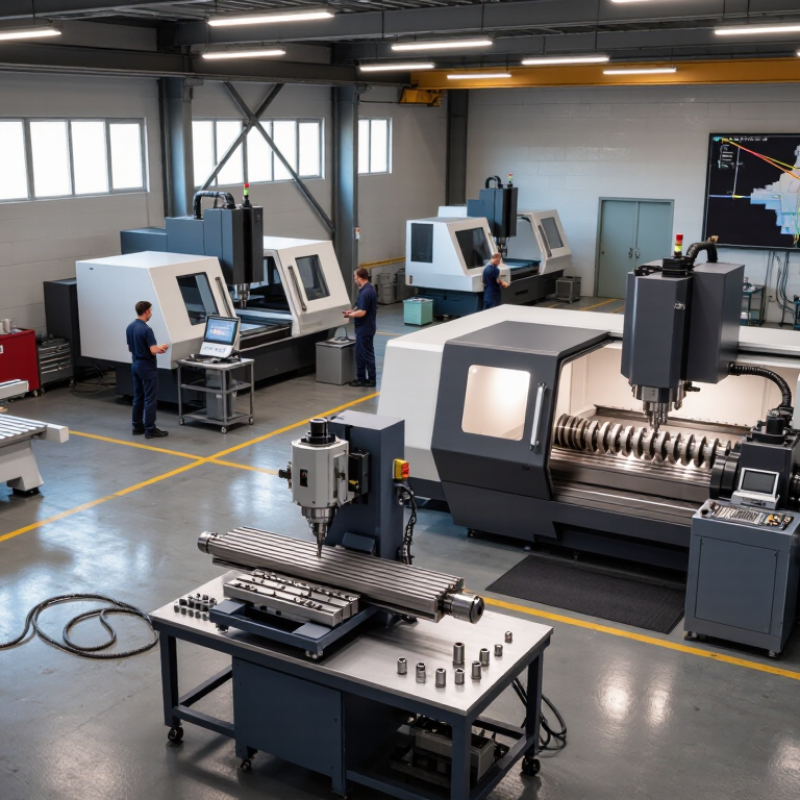
Start with the materials and parts you actually need to produce. Aluminum, plastics, and hardwoods place different demands on a machine than steel or titanium. List each material, its largest workpiece, required tolerances, and expected weekly volume. Then compare the machine’s work envelope, spindle power, rigidity, tool capacity, and coolant options. A long aluminum panel may need a large bed; small steel components need rigidity and suitable cutting tools. More axes can reduce repositioning, but they also add cost and complexity. Grand View Research valued the global CNC machine market at $101.2 billion in 2023 and projected 6.3% annual growth from 2024 to 2030. That signals broad adoption, not one machine suited to every shop.
Tip: Test a real part. Bring your toughest material and a representative design to a supplier or shared workshop. Check edge finish, cycle time, and whether chips clear reliably. Ask how the machine performs during long cuts, not only short demonstrations. A machine can look capable on paper and still disappoint with your actual stock. I would leave room for uncertainty: future work may change, but buying extra capacity “just in case” can mean paying for features you rarely use. Start with today’s parts, then confirm the machine can handle plausible next steps.