
Skip to content

Top CNC Router Machine Types for Global Buyers

Choosing the right CNC router machine can shape production speed, accuracy, and long-term operating costs. Global buyers face many options, from compact three-axis routers to advanced five-axis systems. Each type serves different materials, workloads, and workshop conditions. A small woodworking studio may need a 3-axis machine with a 1.3 × 2.5-meter table. A furniture factory may require automatic tool changing, vacuum zoning, and nesting software.

This guide introduces the main CNC router machine types used across international markets. It examines their structures, cutting abilities, control systems, and practical applications. Buyers should compare spindle power, working area, positioning accuracy, dust collection, electrical compatibility, and after-sales support. These details matter more than attractive catalogue photographs. A powerful spindle cannot solve poor calibration. A large table may waste space and energy.

Real purchasing experience also reveals a less comfortable truth. The most expensive machine is not always the most suitable one. Some buyers overlook operator training, replacement parts, and software compatibility. That mistake can delay production for weeks. Reliable manufacturers should provide clear specifications, safety documentation, installation guidance, and responsive technical service. Independent testing and verified customer feedback are valuable, although neither source is perfect.

The following sections compare popular router designs for wood, plastic, composite panels, and other approved materials. They also consider regional voltage, shipping conditions, maintenance habits, and future production plans. Think carefully. The best choice is practical, not merely impressive.
Top CNC Router Machine Types for Global Buyers

CNC Router Machine Basics and Core Operating Principles

Top CNC Router Machine Types for Global Buyers

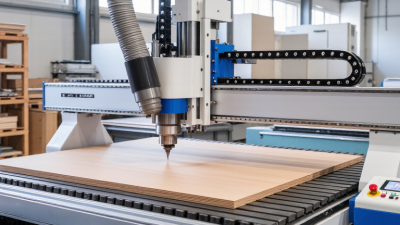
A CNC router cuts sheet goods, plastics, and some softer metals through programmed movement. Its core system uses three axes: X moves left and right, Y moves forward and backward, and Z controls cutting depth. A spindle or router motor turns the cutting tool at high speed. The controller reads G-code, which converts a digital design into measured movements.

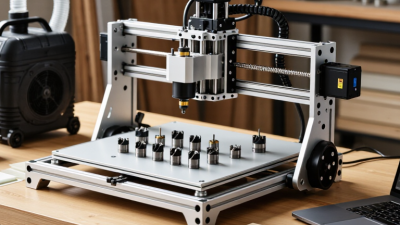
Different machine types suit different workspaces. A gantry router handles large panels and furniture parts. A desktop router fits smaller workshops and educational settings. Moving-gantry machines often offer broad working areas, while moving-table designs can provide firm support for compact parts. Buyers should check travel distance, frame rigidity, spindle power, and electrical compatibility before comparing prices.

Workholding is not a minor detail. Clamps, vacuum tables, or screws must keep the material stable without blocking the toolpath. Correct feed rate, spindle speed, and cutting depth reduce burning, vibration, and broken tools. Dust extraction protects visibility and improves workshop cleanliness. I have seen operators blame the machine when loose material caused the real error. Calibration also matters; a small Z-axis mistake can ruin an expensive panel. In practice, the neat theory sometimes fails. Material moisture, blunt cutters, and imperfect leveling still affect results. I would test a small sample first, even when the settings look reliable. Safety glasses, guarded cutting areas, emergency controls, and proper training remain essential for every machine type.

Standard CNC Router Types Classified by Structure and Function

CNC router selection starts with structure, not marketing claims. The main types include fixed-gantry, moving-gantry, and bridge-style machines. Fixed-gantry designs hold the bridge firmly while the table moves. They usually offer strong cutting stability for dense panels and aluminum sheets. Moving-gantry routers use a traveling bridge, allowing larger working areas. They suit furniture panels, signs, and sheet nesting. That distinction matters.

Function creates another useful classification. Three-axis routers handle flat cutting, drilling, engraving, and pocketing. Four-axis models add rotary work for cylindrical components. Five-axis systems reach angled surfaces and complex molds, but programming and inspection become more demanding. Automatic tool changers reduce setup interruptions. Vacuum tables improve sheet holding, although porous materials can reduce vacuum efficiency. Speed is not everything.

Grand View Research estimated the global CNC machine market at over USD 80 billion in 2023, showing strong demand for automated production equipment. MarketsandMarkets also forecasts continued growth through 2029, supported by manufacturing automation and customized production. These figures cover broader CNC machinery, not routers alone, so buyers should avoid direct comparisons. In practical evaluations, frame rigidity, spindle power, control compatibility, and service access often matter more than advertised rapid-traverse speed. A compact router may appear economical, yet limited clearance can restrict future work. That is an uncomfortable trade-off. Testing sample materials before purchase remains the safer approach.

Top CNC Router Machine Types for Global Buyers

Standard CNC router types classified by structure and function. The chart shows representative spindle-power ranges commonly used in non-brand-specific industrial configurations.

How to read the chart: Flatbed and nesting routers are widely used for sheet materials such as wood, plastics, and composites. Rotary-axis machines are designed for cylindrical or four-sided workpieces, while five-axis routers provide greater flexibility for complex 3D parts. Stone routers generally use higher-power spindles for cutting and shaping dense materials.

Key Features of Woodworking, Metalworking, and 3D CNC Routers

For global buyers, CNC router selection begins with material, tolerance, and daily workload. Woodworking routers need rigid frames, dust extraction, and variable spindle speeds. A vacuum table helps hold plywood, doors, and smaller panels flat. Check the working area against your largest sheet, not your usual sample. Through practical shop testing, I have found that weak dust control quickly affects cutting accuracy and maintenance time. That lesson is easy to underestimate.

Metalworking routers require stronger structures, controlled feeds, coolant management, and suitable cutting tools. Aluminum may suit a lighter machine, while steel demands greater rigidity and lower cutting speeds. Confirm spindle torque, axis resolution, lubrication access, and emergency-stop design. High advertised speed means little if vibration leaves rough edges. For 3D carving, prioritize multi-axis movement, software compatibility, and repeatable zero setting. Complex reliefs expose backlash that flat cuts can hide. I would question any brochure promising perfect results without material-specific testing.

Tips: Ask for sample cuts in your actual material. Request tolerance data, wiring details, and operator training. Verify power requirements and required certifications for your country. Inspect guarding, dust collection, and after-sales response times. Keep spare collets and wear parts available. Leave room for mistakes; setup quality often matters more than headline specifications.

How to Compare CNC Router Sizes, Materials, and Spindle Power

Top CNC Router Machine Types for Global Buyers

CNC routers differ by bed size, frame design, and working purpose. Compact machines suit small workshops, signs, and occasional prototypes. Mid-size routers handle furniture panels and repeated production more comfortably. Large gantry routers support full sheets, but they need more floor space, stronger power supplies, and careful installation.

Size alone can mislead. Measure the usable cutting area, not only the outer frame. Check the machine’s clearance height and table stiffness. Aluminum, plywood, plastic, and hardwood create different cutting demands. A rigid frame reduces vibration, especially during deep passes. Spindle power should match the material and tool diameter. Lower power may work for plastics and thin boards. Hard timber usually needs slower feeds, sharper tooling, or a stronger spindle. More power is not automatically better. It can increase heat, noise, and tool wear.

Tips: Compare voltage, dust extraction, software compatibility, and replacement parts before ordering. Ask for test-cut data using your intended material. Confirm the machine can enter your workshop doorway. A perfect specification sheet cannot fix poor installation. I would also leave capacity unused; buying the largest router often seems efficient, but daily setup can become frustrating. Test accuracy over repeated cuts, not one impressive sample.

Selection Criteria for Global Buyers and Industry Applications

Top CNC Router Machine Types for Global Buyers

Selection Criteria for Global Buyers and Industry Applications

Global buyers should choose a CNC router by workload, not catalog appearance. Fortune Business Insights valued the global CNC machine market at USD 83.93 billion in 2023. It projects USD 140.78 billion by 2032. These figures indicate strong industrial demand, but router-specific forecasts vary by report definition.

A three-axis router suits flat panels, furniture parts, signs, and plastic sheets. A four-axis model adds rotational work for columns and detailed edges. Five-axis equipment supports complex aerospace, marine, and composite components. Buyers should compare the working envelope, spindle power, positioning accuracy, table design, and dust extraction. Automatic tool changing can reduce downtime in batch production. For aluminum, check rigidity, cooling, chip removal, and cutting-speed control. Woodworking shops may prioritize vacuum hold-down and nesting software instead.

Tips: Measure twice. Confirm the largest real workpiece, not the advertised table size. Check local voltage, software compatibility, installation support, spare-part access, and operator training. ISO 230 testing standards can help verify machine accuracy, while published safety documentation supports responsible purchasing. Reports from the International Federation of Robotics show continued automation growth in manufacturing, yet automation does not remove setup errors. A powerful router can still produce poor edges when tooling, feeds, or clamping are wrong. Market reports also disagree on growth rates. That is worth questioning before setting a five-year investment plan.

Top CNC Router Machine Types for Global Buyers - Selection Criteria for Global Buyers and Industry Applications

CNC Router Type Typical Configuration Typical Working Area Typical Spindle Range Suitable Materials Common Industry Applications Primary Selection Criteria Global Buyer Considerations
3-Axis Gantry Router X, Y and Z linear motion; fixed table or moving gantry 600 × 900 mm to 2,000 × 3,000 mm; commonly used with 6–25 mm material thickness 1.5–9 kW; air-cooled or water-cooled options Wood, MDF, plywood, plastics, acrylic, composites and some non-ferrous metals Furniture components, signage, cabinet parts, decorative panels and prototypes Required work envelope, cutting depth, positioning accuracy, table design and spindle speed Confirm voltage, plug standard, guarding requirements, software compatibility and operator training
4-Axis Rotary Router Three linear axes plus a rotary axis for cylindrical or indexed machining Rotary diameter approximately 100–600 mm; machining length approximately 600–3,000 mm 2.2–9 kW Solid wood, engineered wood, plastics, foam and selected soft metals Furniture legs, columns, balusters, handrails, sculptures and cylindrical components Rotary diameter, chuck or drive configuration, indexing accuracy, tailstock support and tool clearance Check post-processor support, rotary-axis transportation limits and available replacement components
5-Axis CNC Router Three linear axes plus two rotary or tilting axes for multi-sided machining Approximately 1,000 × 2,000 mm to 3,000 × 6,000 mm, depending on machine design 5.5–15 kW or higher for demanding production Wood, composites, plastics, foam, non-ferrous metals and selected model-making materials Aerospace patterns, marine components, molds, complex furniture and automotive prototypes Required angular range, collision avoidance, simultaneous machining capability, rigidity and CAM integration Evaluate local technical support, post-processor development, installation skills and maintenance complexity
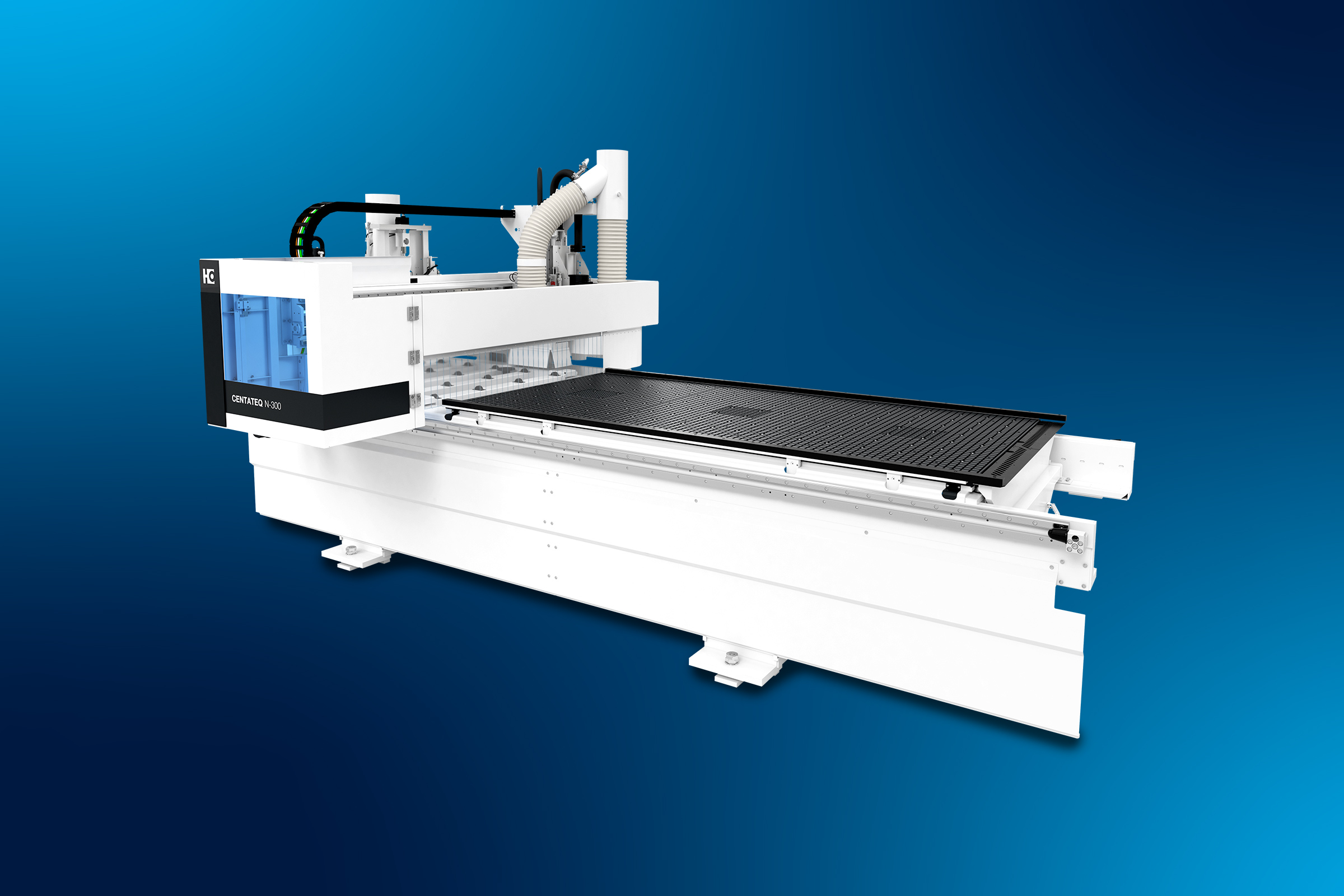
CNC Nesting Router 3-axis gantry with vacuum table, automatic tool changer and nesting software Common panel sizes include 1,300 × 2,500 mm and 1,600 × 3,200 mm 6–15 kW; selected systems use higher-power spindles for continuous production MDF, particleboard, plywood, melamine panels, laminates and plastics Cabinet production, office furniture, kitchen components and panel-based manufacturing Vacuum zoning, automatic tool changing, drilling head, material utilization and loading method Consider container dimensions, dust extraction standards, software localization and service response time
Stone and Solid-Surface Router Rigid 3-axis or 4-axis structure with water-cooled spindle and wet-cutting system Approximately 1,300 × 2,500 mm to 2,000 × 4,000 mm 5.5–15 kW; designed for abrasive cutting conditions Marble, granite, engineered stone, ceramic slabs and solid-surface materials Countertops, vanity tops, stone lettering, sink cutouts and architectural components Machine rigidity, water circulation, drainage, spindle sealing, diamond tooling and slab support Check water-management regulations, corrosion protection, electrical safety and installation-floor requirements
Large-Format Foam and Model-Making Router Large gantry, extended Z clearance and high-speed cutting configuration Approximately 2,000 × 4,000 mm to 3,000 × 12,000 mm; custom sizes are common 3–9 kW; optimized for high feed rates rather than heavy material removal EPS, polyurethane foam, modeling board, MDF, plastics and lightweight composites Theater scenery, exhibition displays, foundry patterns, architectural models and packaging prototypes Maximum part height, gantry clearance, feed rate, dust collection and long-bed accuracy Measure workshop access, shipping route, foundation requirements and local extraction regulations
Router and Oscillating-Knife Combination CNC router spindle combined with drag, tangential or oscillating knife tools Approximately 1,300 × 2,500 mm to 2,000 × 4,000 mm 3–9 kW router spindle, with separate knife-tool modules Cardboard, honeycomb board, foam board, rubber, textiles, plastics and wood sheets Packaging samples, point-of-sale displays, insulation parts, gaskets and soft-material prototypes Tool-change flexibility, knife oscillation frequency, vacuum hold-down, edge quality and software workflow Confirm compatible consumables, safety guarding, control-language options and availability of local tooling
Note: Specifications shown are typical market ranges for comparison only. Actual performance depends on machine structure, tooling, material properties, cutting strategy, software and operating conditions.