For support and service of your machinery, Stiles has experts available 24/7 to help reduce downtime and get you back in action.
Technical Support: 616-698-6615
Service & Repairs: 616-698-7500
24/7 Parts: 1-800-727-8780
sale@inlandmachineokc.com
Parts are available from Stiles 24 hours a day, seven days a week, and are shipped from our Grand Rapids, Michigan fulfillment center.
24/7 Parts: 800-727-8780

With a customized Stiles University course, we can provide expert training for your team, on-location. Whether it's programming, operation or maintenance, we want to help you train your personnel to meet your production goals efficiently and effectively.

Experience the trusted workforce development training and machinery knowledge you rely on from Stiles University, now at your convenience. With technology changing every day and new methods being developed constantly, Stiles University Online has the latest information and training content available at your fingertips.
616-698-7500

Do you want to produce more efficiently? Processes and flows are key. We optimize these together with you, re-organize them and make sure that you reduce your lead time and save costs. This enables you to implement customized manufacturing and achieve your business goals.

Industrialized construction is evolving. Automation, robotics and advanced technology are raising the level of productivity, efficiency and precision for builders in North America.

Stiles Machinery is at the forefront of providing technology and machining for producing high quality mass timber. Automated solutions for your mass timber production can increase your manufacturing quality and productivity.

Project management services from Stiles make it easy to streamline your entire project— from concept and consultation to integration and implementation.
For support and service of your machinery, Stiles has experts available 24/7 to help reduce downtime and get you back in action.
Technical Support: 616-698-6615
Service & Repairs: 616-698-7500
24/7 Parts: 1-800-727-8780
sale@inlandmachineokc.com
Parts are available from Stiles 24 hours a day, seven days a week, and are shipped from our Grand Rapids, Michigan fulfillment center.
24/7 Parts: 800-727-8780

With a customized Stiles University course, we can provide expert training for your team, on-location. Whether it's programming, operation or maintenance, we want to help you train your personnel to meet your production goals efficiently and effectively.

Experience the trusted workforce development training and machinery knowledge you rely on from Stiles University, now at your convenience. With technology changing every day and new methods being developed constantly, Stiles University Online has the latest information and training content available at your fingertips.
616-698-7500

Do you want to produce more efficiently? Processes and flows are key. We optimize these together with you, re-organize them and make sure that you reduce your lead time and save costs. This enables you to implement customized manufacturing and achieve your business goals.

Industrialized construction is evolving. Automation, robotics and advanced technology are raising the level of productivity, efficiency and precision for builders in North America.

Stiles Machinery is at the forefront of providing technology and machining for producing high quality mass timber. Automated solutions for your mass timber production can increase your manufacturing quality and productivity.

Project management services from Stiles make it easy to streamline your entire project— from concept and consultation to integration and implementation.
For support and service of your machinery, Stiles has experts available 24/7 to help reduce downtime and get you back in action.
Technical Support: 616-698-6615 Service & Repairs: 616-698-7500 24/7 Parts: 1-800-727-8780
Parts are available from Stiles 24 hours a day, seven days a week, and are shipped from our Grand Rapids, Michigan fulfillment center.
24/7 Parts: 800-727-8780For support and service of your machinery, Stiles has experts available 24/7 to help reduce downtime and get you back in action.
Technical Support: 616-698-6615 Service & Repairs: 616-698-7500 24/7 Parts: 1-800-727-8780
Parts are available from Stiles 24 hours a day, seven days a week, and are shipped from our Grand Rapids, Michigan fulfillment center.
24/7 Parts: 800-727-8780Choosing the best panel saw in 2026 depends on more than cutting capacity or price. The right machine must fit your materials, shop layout, workload, and operators’ experience. A narrow cabinet shop may value a compact footprint. A production floor may need reliable throughput, accurate stops, and accessible service support. Small differences matter: a fence that drifts, a dusty work surface, or awkward sheet handling can slow every shift.
Woodworking expert Norm Abram is often associated with the shop maxim, “Measure twice, cut once.” It is not a panel-saw buying rule, but it captures a useful habit: verify the details before committing. Compare the saw’s usable cutting dimensions, blade and scoring options, controls, guarding, dust collection, and maintenance needs. Then ask suppliers for a demonstration using the sheet goods you actually cut. Specs can look convincing on paper. Real panels reveal more.
This guide weighs those practical factors alongside price and long-term ownership costs. It also separates features that solve daily problems from those that merely look impressive. No single model suits every shop. That is easy to overlook. A carefully chosen saw can improve consistency and reduce handling strain, but only when its setup matches the work. We’ll explain what to check, where trade-offs appear, and which questions deserve a second look before you buy.
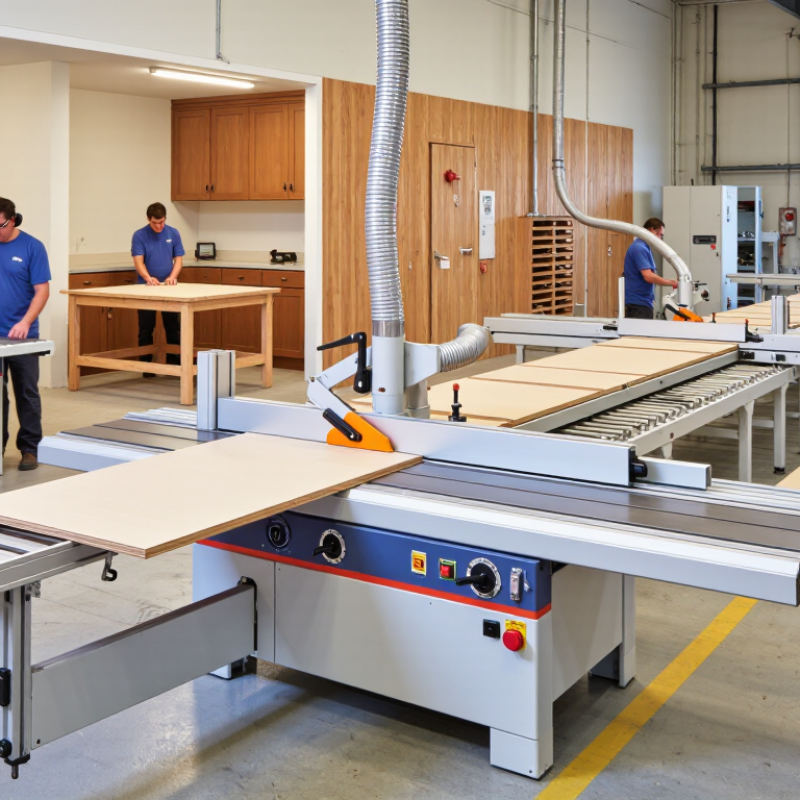
A panel saw cuts large sheet goods into manageable, straight-sided parts. It is commonly used for plywood, particleboard, and similar panels in cabinet and furniture shops. The design supports a full sheet while the blade travels through the material, or the panel moves past a fixed blade. Clean edges matter.
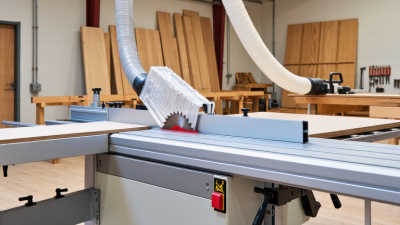
Vertical models stand panels upright, saving floor space; horizontal models support sheets on a broad table. Core components include a frame, motor, circular blade, fence or measuring guide, and panel supports. Some machines add a scoring blade to reduce chipping on laminated faces. A well-positioned dust hood also helps capture chips near the cut. Not every model includes the same safeguards or adjustments, so check the actual configuration.
Safety deserves attention alongside cutting capacity. The U.S. Bureau of Labor Statistics reported 2.4 recordable injury and illness cases per 100 full-time-equivalent workers across private industry in 2023; this figure is not specific to woodworking. Still, OSHA’s woodworking machinery guidance emphasizes guarding and safe operating practices. For a 2026 purchase, inspect blade access, emergency controls, support stability, and dust extraction. A spec sheet can look convincing. Test the fence and supports with a real panel if possible; small alignment errors can spoil an otherwise good cut.
A vertical panel saw holds sheet goods upright, which saves floor space in small cabinet shops. Operators guide the sheet against the fence and cut full panels without lifting them onto a large table. Useful in narrow shops. It can be slower for repeated production runs, and setup still affects accuracy.
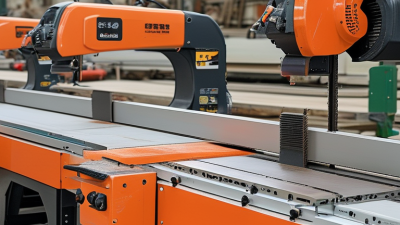
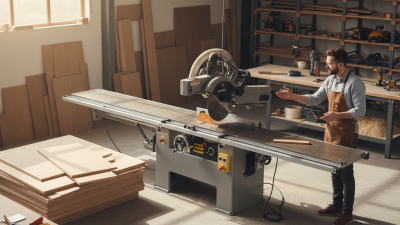
A sliding-table panel saw supports sheets horizontally on a moving carriage. Its long travel helps make straight rip and crosscuts in plywood, MDF, and laminated boards. Cabinetmakers often choose it for flexible, accurate batch work. A beam saw suits higher-volume shops: clamps hold the panel while a programmed cutting sequence produces repeatable parts. Not effortless. Programming, maintenance, and operator training all matter.
Grand View Research valued the global woodworking machinery market at $4.72 billion in 2023. Its industry report projected 5.4% annual growth through 2030. This covers woodworking machinery broadly, not panel-saw sales specifically. For a purchase, compare daily sheet volume, available floor space, cut accuracy, and dust extraction. Check whether the saw can handle your thickest panels and whether its scoring blade reduces chipping on laminated surfaces. Calibration needs regular attention, even on expensive equipment.
| Panel Saw Type | How It Works | Typical Materials and Jobs | Main Advantages | Considerations | Best Suited For |
|---|---|---|---|---|---|
| Manual vertical panel saw | The sheet is supported upright against a frame and guided through a stationary blade by hand. Common designs allow crosscuts and rip cuts. | Breaking down plywood, MDF, particleboard, and other sheet goods into cabinet or furniture components. | Uses floor space efficiently; can handle large sheets without requiring a large horizontal table; relatively simple to operate. | Cut quality and repeatability depend on setup, blade condition, and operator technique. Check the machine’s maximum sheet size and cutting depth. | Small workshops, trade counters, and shops that make occasional or moderate numbers of straight cuts. |
| Powered vertical panel saw | A motorized saw carriage travels along a vertical frame, with guides or stops helping control the cut. | Repeated sizing of sheet materials for cabinets, shelving, shop fitting, and general panel fabrication. | Reduces manual effort and can improve consistency compared with a basic manual model; occupies less floor area than many horizontal systems. | Requires adequate wall or frame clearance, dust extraction, and correctly adjusted guides. The carriage and frame capacity limit the size and thickness of stock. | Production-oriented workshops with limited floor space and recurring sheet-cutting work. |
| Horizontal beam panel saw | A powered cutting unit moves across a supported sheet, often using a pressure beam to hold the material during cutting. Some systems include programmable controls and automatic loading or positioning. | High-volume, repeatable cutting of plywood, MDF, particleboard, and laminated panels. | Designed for batch production, accurate repeated sizing, and efficient handling of many panels. | Needs substantial floor space and material-handling access. Installation, maintenance, and operator training are more involved than for simpler saws. | Large cabinet, furniture, and panel-processing operations with steady production demand. |
| Sliding-table panel saw | The workpiece is secured to a moving table or carriage and fed past a circular saw blade. A scoring blade may be fitted to help reduce chipping on coated panels. | Accurate sizing and trimming of sheet goods, solid wood, and components for cabinetry or furniture. | Offers versatile cutting and good control for straight, angled, and repeat cuts; can be useful for mixed solid-wood and panel work. | Requires clear space for the sliding table and long workpieces. Handling full-size sheets may need additional support or a second operator. | Joinery and furniture shops that need a versatile saw for both panel processing and general woodworking. |
Buying tip: Compare maximum sheet dimensions, cutting depth, accuracy requirements, available floor space, dust extraction needs, and expected daily workload. Always follow the machine’s operating and safety instructions.
The best 2026 panel saw depends less on features than on the panels you cut every week. Measure your largest sheet, required tolerances, and available floor space before comparing machines. Capacity matters. A vertical saw can save aisle space, while a sliding-table design may suit repeated, precise sizing. Check usable cut length and height, fence rigidity, blade options, and dust-port compatibility. During a demonstration, cut a full sheet, not just a small offcut. Watch for panel movement, rough edges, and awkward loading.
Safety and serviceability deserve equal weight. The U.S. Bureau of Labor Statistics reported 2.4 recordable injury and illness cases per 100 full-time workers across private industry in its 2023 Survey of Occupational Injuries and Illnesses. That rate is not specific to panel saws, but it underscores the value of guards, accessible emergency stops, stable material support, and operator training.
Ask how easily routine adjustments can be made and whether wear parts are readily available. Compare installation, extraction, blade, and maintenance costs alongside the purchase price. One caveat: specifications rarely reveal how comfortable a saw feels after a full shift. Test the controls yourself, and consider your own material before deciding.
For a small workshop, a vertical panel saw can save floor space and handle occasional full sheets without a large sliding table. It suits cabinet shops where sheet goods arrive often, but cut accuracy depends on a square frame, a sharp blade, and careful setup. Check the maximum sheet size and whether one person can load material safely. Compact matters.
A sliding-table saw is a stronger fit for frequent, precise panel cutting. Look for a long, stable table, a scoring blade for laminated boards, and enough fence travel for your usual parts. High-volume shops may benefit from a beam saw or CNC system, but automation only pays when production is steady. Measure your real cut list, not an imagined busy season.
Dust control deserves equal weight. NIOSH’s report Control of Wood Dust from… recommends a 1 mg/m³ time-weighted exposure limit for wood dust; this is a health recommendation, not a general legal limit. Ask suppliers for airflow requirements and test extraction at the blade, where fine dust escapes. A powerful saw with weak extraction is a poor purchase. I would also inspect service access and blade-change time, details that are easy to overlook in a showroom. The best choice is often less impressive than expected: enough capacity, dependable alignment, and room to work safely.
Compare common saw formats by workshop need. Scores are a qualitative planning guide, not measured product specifications.
How to use this chart: A vertical panel saw is a practical fit when floor space is limited and large sheets are frequent. A sliding table saw suits shops prioritizing accurate repeat cuts and having room for a long table. A compact table saw is a space-conscious choice for smaller panels and lighter-duty work. Check each machine’s published capacity and available workshop space before buying.
Choosing the best panel saw for your work starts with the panels you actually cut, not the biggest machine your budget allows. If you regularly handle full sheets, check carriage travel, outfeed support, and floor space before comparing motor power. For smaller components, a compact sliding table may be easier to position and keep clear of offcuts.
Accuracy depends on more than the blade. Look for a fence that locks consistently, a stable table, and clear angle and height adjustments. If edge quality matters, check whether the saw supports a scoring blade to reduce chipping on laminated sheet goods. Bring a sample material when possible, and ask to see a representative cut. Small alignment errors become obvious on a long cabinet panel. Fit matters.
Match the machine to your daily workload, dust collection setup, and available power. Review the manufacturer’s specifications and operating instructions rather than guessing from appearance. I would question any shortlist built mainly around motor size; a powerful saw cannot compensate for a fence that shifts or support that is too short. There is no perfect setup. Extra capacity can take space you need, while choosing too small may slow every sheet cut. Decide which compromise your shop can live with.