
-
-
-
-
-
-

With a customized Stiles University course, we can provide expert training for your team, on-location. Whether it's programming, operation or maintenance, we want to help you train your personnel to meet your production goals efficiently and effectively.
-

Experience the trusted workforce development training and machinery knowledge you rely on from Stiles University, now at your convenience. With technology changing every day and new methods being developed constantly, Stiles University Online has the latest information and training content available at your fingertips.
-
-
-

Do you want to produce more efficiently? Processes and flows are key. We optimize these together with you, re-organize them and make sure that you reduce your lead time and save costs. This enables you to implement customized manufacturing and achieve your business goals.
-
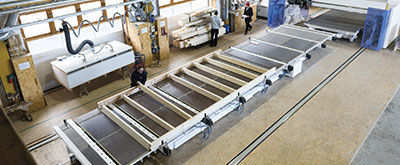
Industrialized construction is evolving. Automation, robotics and advanced technology are raising the level of productivity, efficiency and precision for builders in North America.
-

Stiles Machinery is at the forefront of providing technology and machining for producing high quality mass timber. Automated solutions for your mass timber production can increase your manufacturing quality and productivity.
-

Project management services from Stiles make it easy to streamline your entire project— from concept and consultation to integration and implementation.
-


-
-
-
-
-
-
With a customized Stiles University course, we can provide expert training for your team, on-location. Whether it's programming, operation or maintenance, we want to help you train your personnel to meet your production goals efficiently and effectively.
-
Experience the trusted workforce development training and machinery knowledge you rely on from Stiles University, now at your convenience. With technology changing every day and new methods being developed constantly, Stiles University Online has the latest information and training content available at your fingertips.
-
-
-
Do you want to produce more efficiently? Processes and flows are key. We optimize these together with you, re-organize them and make sure that you reduce your lead time and save costs. This enables you to implement customized manufacturing and achieve your business goals.
-
Industrialized construction is evolving. Automation, robotics and advanced technology are raising the level of productivity, efficiency and precision for builders in North America.
-
Stiles Machinery is at the forefront of providing technology and machining for producing high quality mass timber. Automated solutions for your mass timber production can increase your manufacturing quality and productivity.
-
Project management services from Stiles make it easy to streamline your entire project— from concept and consultation to integration and implementation.
-
How to Choose a CNC Router Machine in 2026?
Choosing a cnc router machine in 2026 requires more than comparing prices and spindle speeds. The right machine must fit your materials, production volume, workshop space, and operator skills. A cabinet maker cutting 18-millimeter plywood needs different capabilities from a sign producer machining acrylic or aluminum. Real work comes first.
Mike Lynch, founder of CNC Concepts and a respected CNC educator, has often stressed this practical point: “CNC is a process, not a button.” That warning remains useful. A powerful spindle cannot correct poor toolpaths, weak fixturing, or careless maintenance. Before purchasing, examine the machine’s working envelope, frame rigidity, motion system, controller, dust extraction, and software compatibility. Ask for sample cuts. Watch the machine carve a detailed pocket, not only a fast straight line.
The 2026 market also brings smarter controls, automatic tool changers, improved probing, and remote diagnostics. These features can reduce setup time, but they may increase training demands and repair costs. Check service response times, spare-part availability, warranty terms, and local technical support. A low purchase price can become expensive when production stops.
Do not overlook the floor beneath the machine. Vibration, dust, humidity, and unstable power can affect accuracy. Measure your actual workspace, including clearance for loading sheets and servicing the spindle. My own caution is simple: specifications rarely show the daily frustrations. A machine that looks excellent on paper may feel limiting after six months. Choose based on repeatable results, practical support, and the work you genuinely plan to produce.
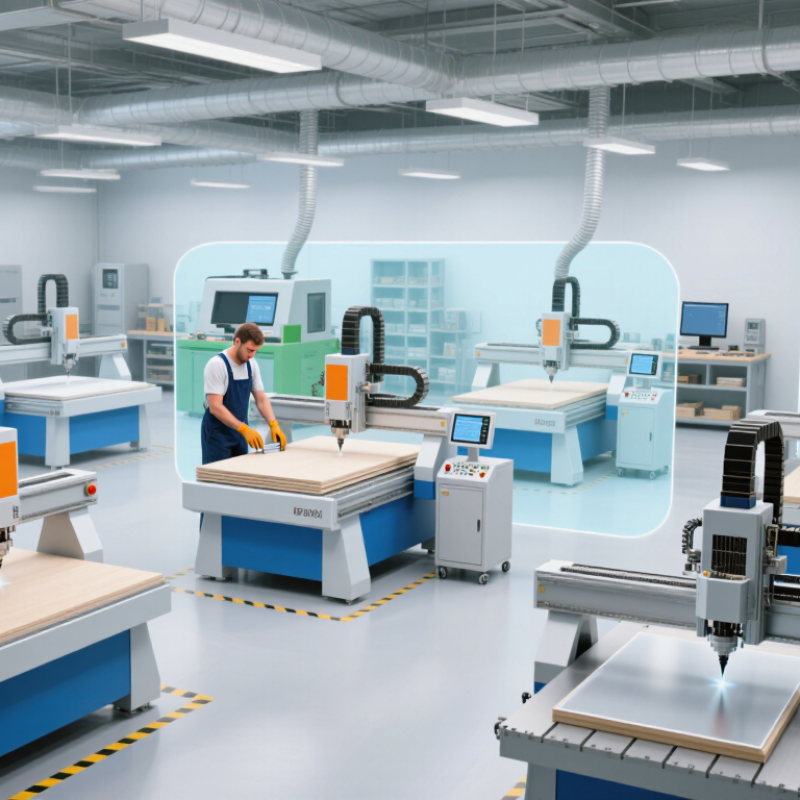
CNC Router Basics and the Main Machine Types in 2026
How to Choose a CNC Router Machine in 2026?
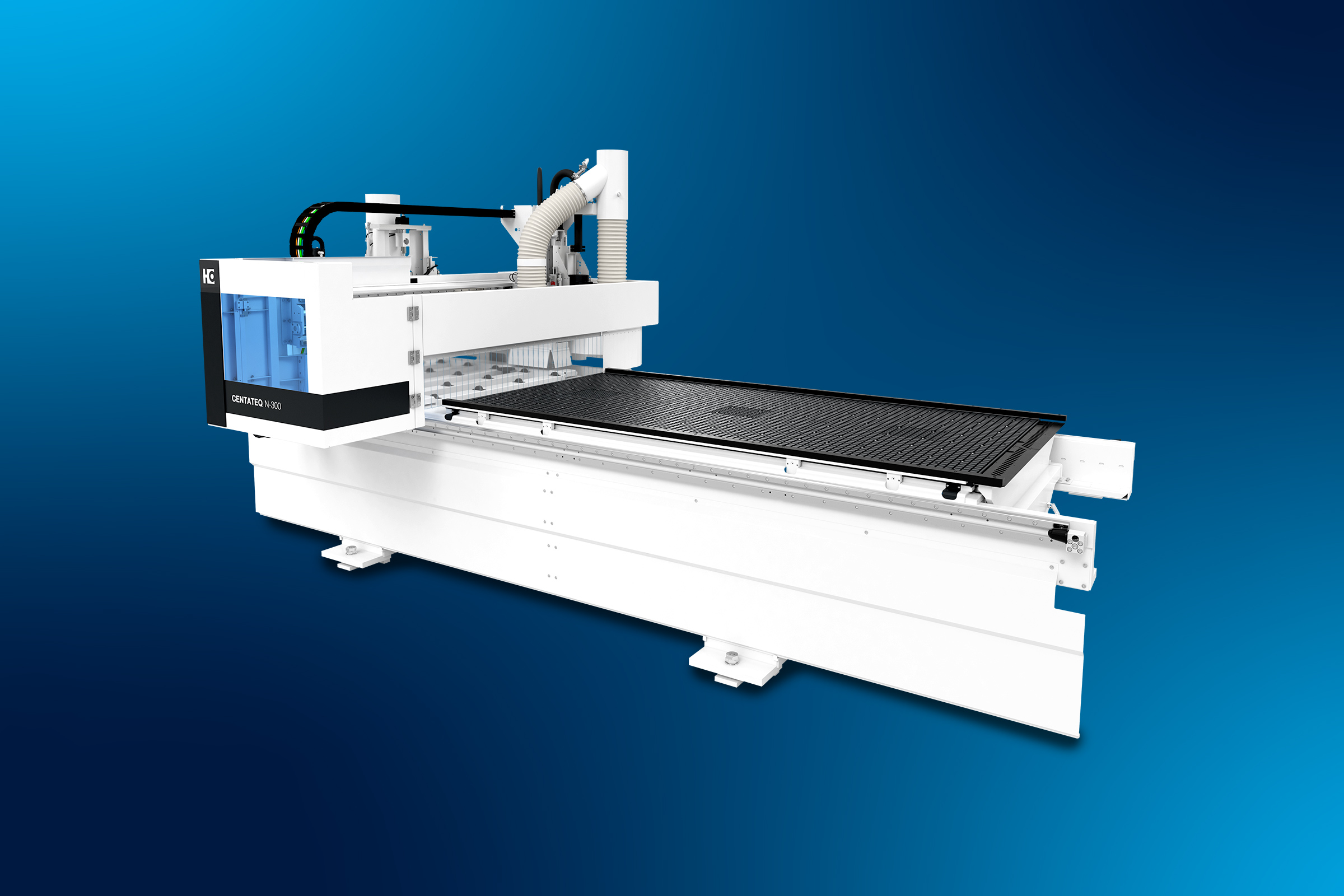
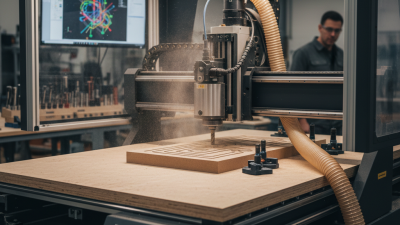
A CNC router removes material with a rotating spindle and programmed toolpaths. Its main parts include the frame, gantry, spindle, bed, controller, and cutting tools. Rigidity matters because vibration can leave waves on plywood edges or burn marks in hardwood. Check the working area against your real projects, not imagined future orders. A 600 x 900 millimeter bed suits signs and panels, while furniture work needs more space.
Desktop routers are compact, quieter, and easier to install. They suit beginners, schools, and light plastics or woodwork. Flatbed machines offer larger work areas and stronger frames. They handle repeated production more consistently. Three-axis routers cut along X, Y, and Z directions. Four-axis models add rotary movement for cylindrical parts. Five-axis systems reach complex angles, but they demand better software and operator training.
Do not judge a machine by spindle power alone. Measure cutting depth, positioning accuracy, dust collection, and emergency controls. A powerful spindle cannot fix a flexible frame. Test the machine with a small square, a pocket, and a detailed contour. Inspect the edges under bright light. Many buyers overlook software compatibility and tool replacement costs. That mistake becomes expensive. I would also leave room for doubt: published accuracy may change with temperature, material, and maintenance. The best choice balances material, workload, workspace, skill level, and long-term service access.
Related Posts
-
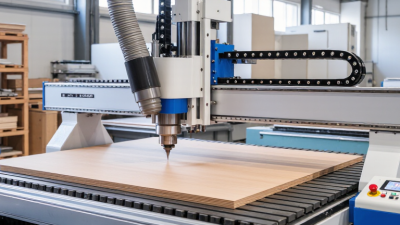
Top China CNC Router Manufacturers for Global Buyers?
-
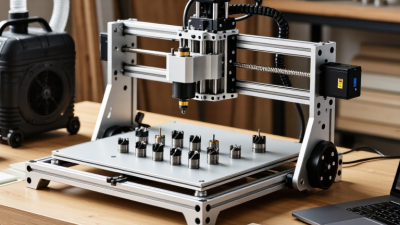
How to Choose the Best CNC Router Kit in 2026?
-
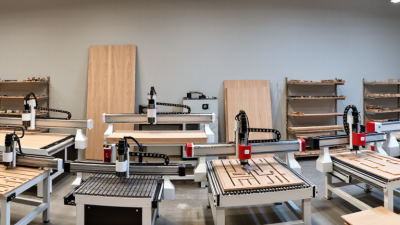
What Are the Top 10 CNC Wood Carving Machines?
-
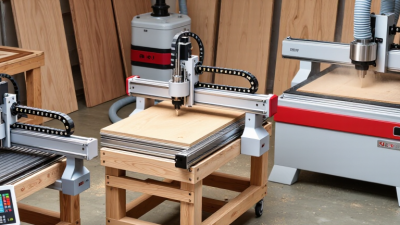
What Are the Best CNC Routers for Woodworking in 2026?
-
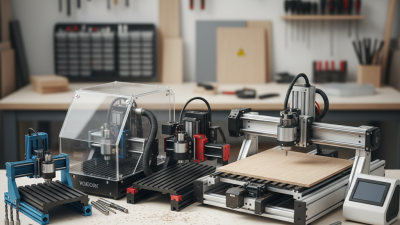
Top 5 CNC Router Kits for Precision Crafting and DIY Projects
-
Top 10 CNC Router Machine Features You Should Know Before Buying