
-
-
-
-
-
-

With a customized Stiles University course, we can provide expert training for your team, on-location. Whether it's programming, operation or maintenance, we want to help you train your personnel to meet your production goals efficiently and effectively.
-

Experience the trusted workforce development training and machinery knowledge you rely on from Stiles University, now at your convenience. With technology changing every day and new methods being developed constantly, Stiles University Online has the latest information and training content available at your fingertips.
-
-
-

Do you want to produce more efficiently? Processes and flows are key. We optimize these together with you, re-organize them and make sure that you reduce your lead time and save costs. This enables you to implement customized manufacturing and achieve your business goals.
-
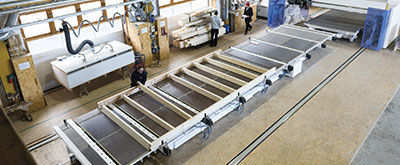
Industrialized construction is evolving. Automation, robotics and advanced technology are raising the level of productivity, efficiency and precision for builders in North America.
-
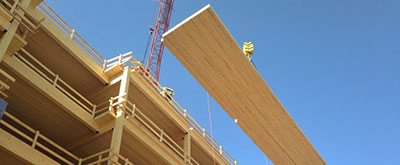
Stiles Machinery is at the forefront of providing technology and machining for producing high quality mass timber. Automated solutions for your mass timber production can increase your manufacturing quality and productivity.
-

Project management services from Stiles make it easy to streamline your entire project— from concept and consultation to integration and implementation.
-


-
-
-
-
-
-
With a customized Stiles University course, we can provide expert training for your team, on-location. Whether it's programming, operation or maintenance, we want to help you train your personnel to meet your production goals efficiently and effectively.
-
Experience the trusted workforce development training and machinery knowledge you rely on from Stiles University, now at your convenience. With technology changing every day and new methods being developed constantly, Stiles University Online has the latest information and training content available at your fingertips.
-
-
-
Do you want to produce more efficiently? Processes and flows are key. We optimize these together with you, re-organize them and make sure that you reduce your lead time and save costs. This enables you to implement customized manufacturing and achieve your business goals.
-
Industrialized construction is evolving. Automation, robotics and advanced technology are raising the level of productivity, efficiency and precision for builders in North America.
-
Stiles Machinery is at the forefront of providing technology and machining for producing high quality mass timber. Automated solutions for your mass timber production can increase your manufacturing quality and productivity.
-
Project management services from Stiles make it easy to streamline your entire project— from concept and consultation to integration and implementation.
-
What Are the Top 10 CNC Wood Carving Machines?
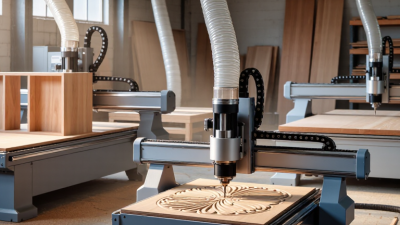
Choosing among the top 10 CNC wood carving machines is not simply a matter of comparing prices. A reliable machine must translate a digital design into clean, repeatable cuts. It should also handle real workshop conditions, including dust, vibration, changing timber hardness, and long carving sessions. This guide evaluates each cnc wood carving machine through practical criteria: frame rigidity, spindle performance, working area, software compatibility, dust control, ease of setup, and after-sales support.
CNC educator Michael Tyler puts it plainly: “The machine is only a tool; the creativity comes from the user.” That observation matters when comparing compact desktop routers with larger professional systems. A beginner may value simple controls and guided software, while a furniture maker may need stronger motors, deeper cutting capacity, and dependable accuracy. Small details reveal a machine’s character. Loose gantry movement, noisy bearings, or weak clamps can ruin an otherwise beautiful oak relief.
Real experience also complicates the rankings. The most expensive model is not automatically the best choice. Nor is the cheapest option always a mistake. Skill level, available space, project size, and maintenance habits can change the result. Some machines perform brilliantly with pine but struggle in dense hardwoods. Others offer impressive speed yet demand more careful calibration. This list is therefore a practical starting point, not a permanent verdict. Think critically. Measure twice. Choose the machine that fits your work, not merely the one with the longest feature list.
What Is a CNC Wood Carving Machine?
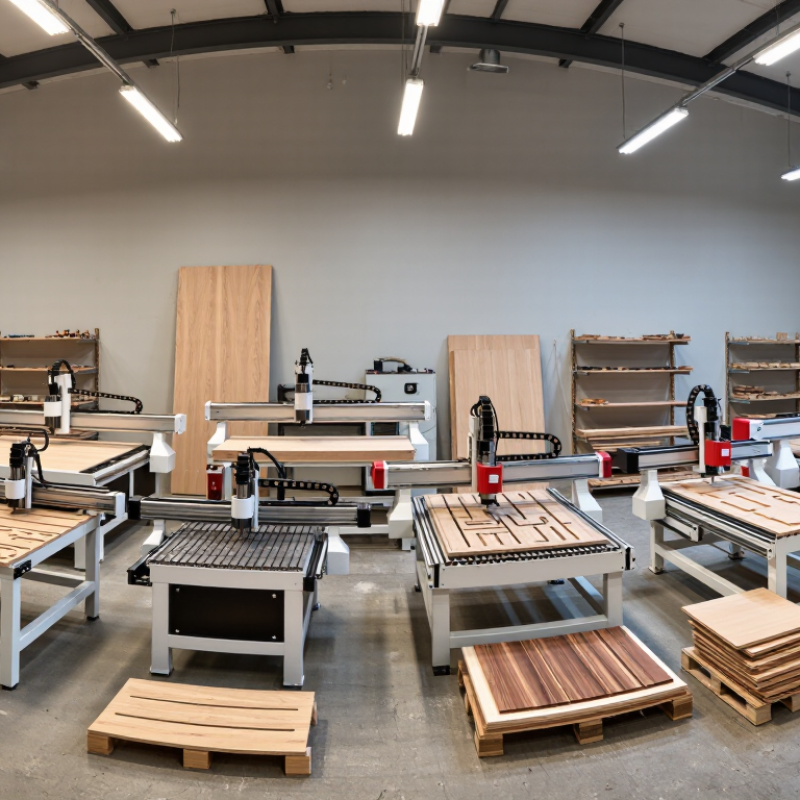
A CNC wood carving machine is a computer-controlled tool that cuts, engraves, and shapes wood. It follows digital instructions from CAD or CAM software. Unlike a handheld router, it repeats programmed movements with controlled speed and depth. Most machines use three axes: X, Y, and Z. Some advanced models add rotary movement for rounded workpieces.
The cutting process begins with a digital design. The software converts that design into toolpaths. A spindle then moves across a secured wooden board, removing small layers with a rotating bit. Workholding matters. Even slight movement can ruin lettering, relief patterns, or deep joints. Dust collection also deserves attention, because fine wood dust can reduce visibility and damage machine components. Keep the cutting area clear.
When comparing the top 10 CNC wood carving machines, examine more than advertised power. Check the working area, frame rigidity, spindle control, software compatibility, emergency stopping system, and available instruction. A compact machine may suit signs and small ornaments, while a larger unit handles furniture panels. More power is not always better. It can burn soft wood or break a delicate bit.
I once underestimated setup time. The carving itself was quick, but calibration took longer. That changed how I judge these machines. Accuracy depends on the operator, material, bit selection, and maintenance. A reliable machine should make these factors easier to control, not pretend they do not exist.
Conclusion
A CNC wood carving machine is a computer-controlled tool that transforms digital designs into precise carvings on wood. It operates by guiding a cutting spindle along programmed paths, allowing users to create signs, furniture details, decorative panels, reliefs, and three-dimensional shapes with consistent accuracy. The top machines are generally evaluated by cutting precision, working area, spindle power, software compatibility, motion stability, safety features, ease of use, and maintenance requirements.
This guide compares ten leading types of CNC wood carving machine according to performance, material capacity, speed, detail quality, and overall cost. Some models are designed for beginners and small workshops, while others offer larger workspaces, stronger motors, and advanced control systems for professional production. Choosing the right machine depends on project size, expected workload, available workspace, technical experience, budget, and the level of detail required. By balancing these factors, users can select equipment that delivers reliable results without paying for features they may not need.
Related Posts
-
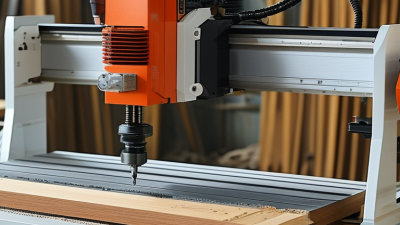
What Is the Best Woodworking CNC Machine from China?
-
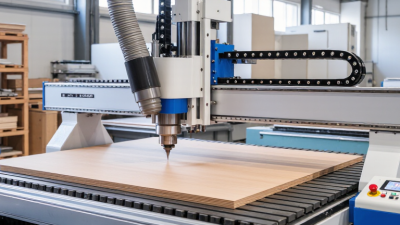
Top China CNC Router Manufacturers for Global Buyers?
-
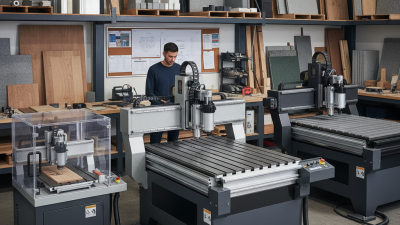
2026 How to Choose the Best CNC Router Machine for Your Business?
-
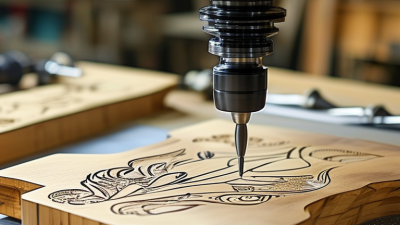
Best CNC Router Kit For Precision Cutting and Creative Projects?
-

Top 10 CNC Router Tables for Every Budget in 2026
-
How to Choose the Best CNC Wood Router for Your Needs?