
Skip to content

China Top CNC Router Manufacturers for Global Buyers

Global buyers evaluating China’s top CNC router manufacturers face a crowded market and a practical question: which supplier can deliver consistent results after installation? A CNC router may cut wood, plastics, composites, or soft metals, but its performance depends on more than advertised spindle power. Frame rigidity, motion components, controller support, dust collection, and access to replacement parts all matter on the factory floor.

The market context is encouraging, but it needs careful reading. Grand View Research estimated the global CNC machine market at about US$83.99 billion in 2022 and projected a 5.5% compound annual growth rate from 2023 to 2030. This figure covers CNC machines broadly; it is not a router-only estimate. That distinction matters. Buyers should not treat broad market growth as proof that every machine category, supplier, or export offer is equally strong.

Real checks matter. Ask for a cutting demonstration using material similar to yours. Request details on positional accuracy, repeatability, electrical components, and warranty coverage. Then confirm who handles commissioning, operator training, and service across your destination market. A polished video is useful, but it cannot replace a documented inspection or a clear support plan.

Some details are easy to overlook. A low purchase price can lose its appeal when spare parts take weeks to arrive. And even a capable cnc router may disappoint if its software, tooling, or dust system does not fit the workshop. This guide compares leading Chinese manufacturers through verifiable product information, export experience, and after-sales support. The evidence is not always perfectly comparable, so buyers should verify specifications directly before committing.
China Top CNC Router Manufacturers for Global Buyers

China’s CNC Router Manufacturing Industry at a Glance

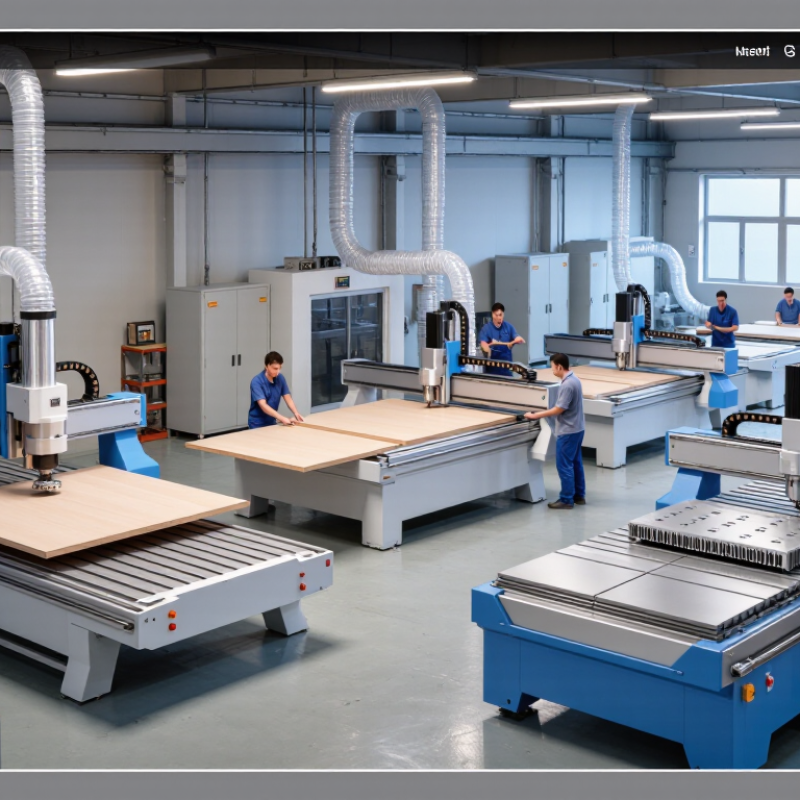
China’s CNC router manufacturing sector serves furniture, signage, packaging, and workshop production. Factories range from compact-machine specialists to larger plants building gantry routers for sheet materials. Many suppliers offer spindle options, worktables, dust extraction interfaces, and controller configurations. These details matter. A router’s cutting area, rigidity, and service access often affect daily work more than a long list of optional features.

Production capability varies widely. Some manufacturers run organized assembly lines, while others rely on smaller teams and flexible build schedules. Buyers can ask for machine test videos, component specifications, wiring diagrams, and a clear list of included items. Practical questions help: Can the machine cut a sample panel? How long does replacement-part shipping usually take? A polished showroom does not answer everything.

China’s industrial clusters support access to metalworking, electronics, and machine-tool suppliers, which can help with customization and lead times. Still, estimates are not guarantees. Confirm the machine’s voltage, software compatibility, packing method, and commissioning support in writing. Request recent references from buyers with similar materials and production volumes. Even then, a reference may not match your workshop exactly. The small details deserve a second look.
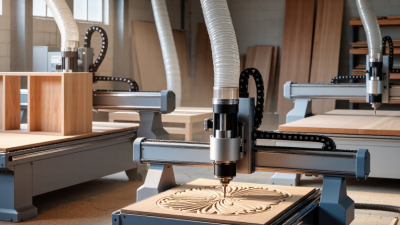
Main Types of CNC Routers Made for Global Markets

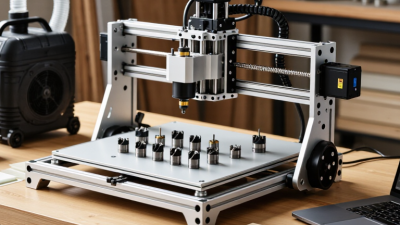
CNC routers for global markets are built around different materials, workloads, and shop-floor needs. A standard three-axis router moves along the X, Y, and Z directions. It suits flat work such as cabinet panels, signs, and plastic sheets. For a small workshop, this is often the practical starting point.

Rotary-axis models add a turning fixture for carving columns, chair legs, or other cylindrical parts. Four-axis machines typically rotate the workpiece while the cutting tool moves across it. Five-axis routers tilt the tool or workpiece, helping reach angled surfaces and complex forms. They can reduce repositioning, but setup and programming take more skill. Automatic tool-changing models suit shops that switch between cutters often, while nesting routers arrange many flat parts on one sheet. That can save material, though poor layout still creates waste.

Tips: Match the machine to your usual material, part size, and daily output. Check spindle power, working area, dust collection, and local electrical requirements. Ask for a sample cut using your own file and material. A fast machine is not always the best fit. Even experienced buyers can overlook operator training; it matters as much as the specifications.

Main Types of CNC Routers for Global Buyers

Common router configurations compared by the number of controlled axes. Axis count describes machine motion, not market share or overall capability.

Three-axis routers suit standard flat-sheet cutting and carving. Rotary fourth axes add machining around cylindrical workpieces, while five-axis machines can approach a part from multiple angles.

How to Assess Chinese CNC Router Manufacturers

Assess Chinese CNC router manufacturers through evidence, not polished catalog photos. The International Federation of Robotics reported 276,288 industrial robots installed in China in 2023, about 51% of global installations. This shows a substantial automation ecosystem, but it does not prove any router supplier’s accuracy or service quality. Ask for a test cut on your material, with the tool, feed rate, and tolerance recorded. Check repeatability across several runs. Small details matter.

Inspect the machine’s frame, gantry, spindle, controller, and dust extraction as a complete system. Request component specifications, calibration records, and a sample inspection report. The ISO 230 series describes test methods for machine-tool accuracy; ask which relevant tests the factory performs and request dated results. Also verify how the supplier handles spare parts, remote diagnostics, and commissioning in your region. A response time stated in writing is more useful than a vague promise. If possible, speak with a recent overseas customer. I would still treat one successful sample as limited evidence; production can expose problems that a showroom cut will not.

China Top CNC Router Manufacturers for Global Buyers - How to Assess Chinese CNC Router Manufacturers

Assessment Dimension What to Check Useful Evidence Buyer Evaluation Guide
Machine configuration Working area, axis travel, spindle power, tool-changing method, and supported materials. Written specification sheet, machine layout drawing, and a live demonstration using the buyer’s material. Match the usable work area and tooling to the largest intended job. Confirm whether stated dimensions refer to working travel or the overall machine footprint.
Accuracy and repeatability Positioning accuracy, repeatability, squareness, and performance across the working area. Inspection method, measurement records, and a test cut measured at multiple points on the table. Compare results using the same measurement method and conditions. Ask for test results rather than relying on an unqualified “high precision” claim.
Frame and motion system Frame construction, gantry design, guideways, drive system, and protection against dust and chips. Component list, machine photographs, assembly details, and an explanation of maintenance requirements. Check that the construction is appropriate for the expected workload, material, and cutting speed; component specifications alone do not establish finished-machine performance.
Electrical and safety provisions Electrical enclosure, grounding, emergency stops, guarding, warning labels, and applicable conformity documentation. Electrical diagrams, risk and safety documentation, and certificates applicable to the destination market and machine configuration. Verify certificates with the issuing body where possible. Requirements vary by destination country, machine type, and configuration.
Software and controls Controller, file formats, post-processors, language options, and compatibility with the buyer’s CAD/CAM workflow. Demonstration of importing a sample file, setting toolpaths, running a job, and recovering from a controlled stop. Confirm the exact software versions, licenses, training scope, and any recurring fees in writing.
Factory capability Whether the supplier manufactures, assembles, or resells the equipment; quality checks and production processes. Live factory video or visit, production records, inspection procedures, and a consistent description of the supply chain. Assess the actual production and service capability for the offered model. A factory audit can help validate claims but is not a substitute for a machine acceptance test.
Quality control and acceptance Incoming-part checks, assembly inspection, test-run duration, and final acceptance criteria. Inspection checklist, test-cut video or report, packing checklist, and agreed acceptance protocol. Define measurable acceptance criteria before ordering, including sample material, tooling, dimensions, and how defects will be handled.
Warranty and service Warranty duration and scope, exclusions, remote support, spare-parts availability, and response process. Written warranty terms, service contact details, spare-parts list, and examples of support procedures. Clarify who pays for labor, shipping, and replacement parts, and whether support is available in the buyer’s time zone and language.
Export and delivery readiness Crating, moisture protection, shipping terms, installation requirements, and documentation for import. Packing photographs, packing list, commercial invoice details, machine dimensions and weight, and agreed shipping terms. Confirm responsibilities, delivery point, insurance, customs documentation, and unloading requirements before payment and dispatch.
Commercial transparency Scope of quotation, included accessories, payment milestones, lead time, and change-order process. Itemized quotation, signed specification, delivery schedule, and written record of agreed options. Compare quotations on the same configuration and delivery basis. Identify exclusions such as tooling, dust collection, installation, or training.

Note: This is a manufacturer-assessment framework, not a ranking or certification. Machine specifications, legal requirements, and service arrangements vary by model, supplier, and destination market; verify all claims against the specific order.

Leading Chinese Manufacturers and Their Product Strengths

Chinese CNC router manufacturers serve a wide range of production needs, from sign shops to furniture workshops. Their strengths often include configurable machine sizes, practical control options, and access to common replacement parts. A 1325-format router, for example, can handle full-size sheet goods, while a smaller bed may suit limited floor space. Fit matters.

Manufacturers differ in frame construction, spindle choices, and support quality. A heavier welded frame can help reduce vibration during demanding cuts, but it also raises shipping and installation needs. Buyers should request machining samples in their own material, such as plywood or acrylic. Check edge finish, repeatability, and tool-change time. Specifications alone can mislead.

Service deserves equal attention. Ask how remote troubleshooting works, whether manuals are available in clear English, and which components are stocked for export orders. Some suppliers offer training and customized tables, yet response times can vary by project and time zone. That part is often overlooked. A detailed quotation should state included accessories, packing method, warranty scope, and commissioning support before an order is placed.

Export, Compliance, and After-Sales Factors for International Buyers

For global buyers, a CNC router’s quoted price is only part of the landed cost. Export readiness means checking the exact machine configuration, packing list, origin documents, and shipping terms before payment. UNCTAD’s Review of Maritime Transport 2024 reports that maritime trade grew 2.4% in 2023, while container trade rose only 0.3%. Freight conditions can shift quickly. Ask for crate dimensions, gross weight, loading photos, and a written delivery schedule. A small paperwork mismatch can delay customs clearance; it is an unglamorous risk, but a real one.

Compliance needs evidence, not broad assurances. Request the applicable conformity documents for the destination market, plus electrical diagrams, safety instructions, and a traceable serial number. ISO’s 2022 Survey recorded more than 1.2 million valid ISO 9001 certificates worldwide. That figure shows how widely quality-management systems are used, but certification alone does not prove a particular router meets local product rules. Check certificate scope and issuing details. After-sales support matters just as much. Confirm response hours, spare-parts availability, remote diagnostics, and who pays for replacement shipping. Ask how quickly the supplier can provide a spindle, sensor, or controller component. Then test the answer with a practical service scenario. No supplier can promise zero downtime; buyers should plan for it.