
-
-
-
-
-
-

With a customized Stiles University course, we can provide expert training for your team, on-location. Whether it's programming, operation or maintenance, we want to help you train your personnel to meet your production goals efficiently and effectively.
-

Experience the trusted workforce development training and machinery knowledge you rely on from Stiles University, now at your convenience. With technology changing every day and new methods being developed constantly, Stiles University Online has the latest information and training content available at your fingertips.
-
-
-

Do you want to produce more efficiently? Processes and flows are key. We optimize these together with you, re-organize them and make sure that you reduce your lead time and save costs. This enables you to implement customized manufacturing and achieve your business goals.
-
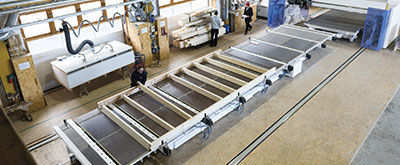
Industrialized construction is evolving. Automation, robotics and advanced technology are raising the level of productivity, efficiency and precision for builders in North America.
-
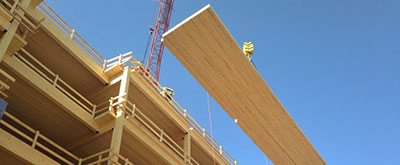
Stiles Machinery is at the forefront of providing technology and machining for producing high quality mass timber. Automated solutions for your mass timber production can increase your manufacturing quality and productivity.
-

Project management services from Stiles make it easy to streamline your entire project— from concept and consultation to integration and implementation.
-


-
-
-
-
-
-
With a customized Stiles University course, we can provide expert training for your team, on-location. Whether it's programming, operation or maintenance, we want to help you train your personnel to meet your production goals efficiently and effectively.
-
Experience the trusted workforce development training and machinery knowledge you rely on from Stiles University, now at your convenience. With technology changing every day and new methods being developed constantly, Stiles University Online has the latest information and training content available at your fingertips.
-
-
-
Do you want to produce more efficiently? Processes and flows are key. We optimize these together with you, re-organize them and make sure that you reduce your lead time and save costs. This enables you to implement customized manufacturing and achieve your business goals.
-
Industrialized construction is evolving. Automation, robotics and advanced technology are raising the level of productivity, efficiency and precision for builders in North America.
-
Stiles Machinery is at the forefront of providing technology and machining for producing high quality mass timber. Automated solutions for your mass timber production can increase your manufacturing quality and productivity.
-
Project management services from Stiles make it easy to streamline your entire project— from concept and consultation to integration and implementation.
-
What is a Sliding Table Saw and How to Choose One?
A sliding table saw is a versatile tool essential for woodworkers and carpenters. It allows for smooth, precise cuts on larger sheets of material. With its extended table, users can handle bigger projects with ease. This tool is different from traditional table saws, providing enhanced stability and control.
When choosing a sliding table saw, consider essential features like size, power, and blade quality. A well-chosen saw can significantly improve the quality of your work. Researching various models and brands can be overwhelming. Each option has its strengths and weaknesses.
Be cautious, as not every sliding table saw is perfect for your needs. Understand your specific requirements and how often you will use it. Investing time in evaluation will pay off in the long run. Select a saw that aligns with your woodworking ambitions for the best results.
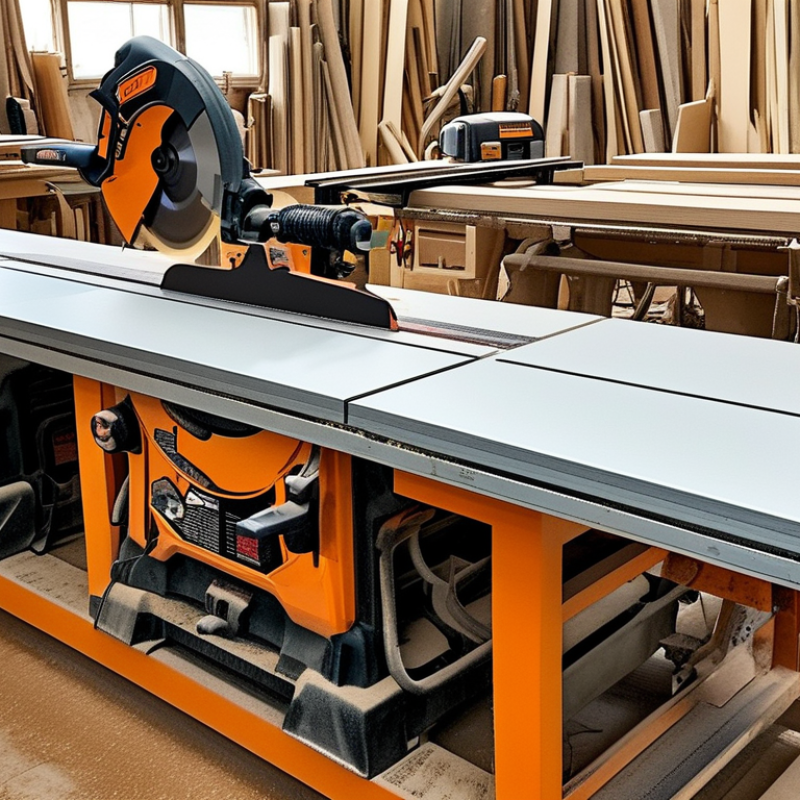
What is a Sliding Table Saw?
A sliding table saw is a powerful tool used primarily in woodworking. Unlike traditional table saws, it features a flat table that can slide horizontally. This mechanism allows for precise cuts and better control over large panels. According to industry reports, over 70% of woodworkers prefer sliding table saws for their efficiency and accuracy.
These saws are perfect for handling sheet materials like plywood and MDF. The sliding feature eliminates the risk of kickback, a common issue with standard miter saws. A good model will have a sturdy build, providing stability while ensuring smooth operation. Users often note the importance of investing in proper saw blades that match the material type for optimal results.
Tips: Always maintain a clear workspace to prevent accidents. Regularly inspect the sliding mechanism for smooth movement. Prioritize safety gear; goggles and ear protection are essential when operating powerful machinery.
In purchasing, consider your workshop size and the types of projects you undertake. While sliding table saws may require a higher initial investment, their long-term benefits can outweigh this cost. Reflect on your needs carefully. A poorly chosen model could lead to frustration and decreased efficiency.
Related Posts
-
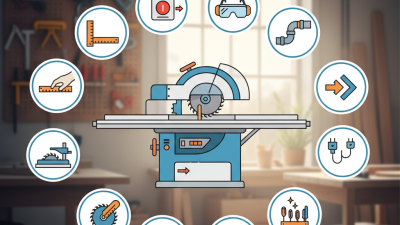
Top 10 Tips for Using a Sliding Table Saw Efficiently and Safely
-
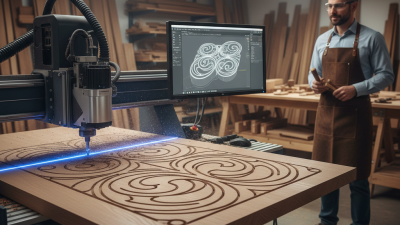
What is a Woodworking CNC Machine and How Does it Work?
-
Top 10 Benefits of Using a CNC Machine for Your Business
-
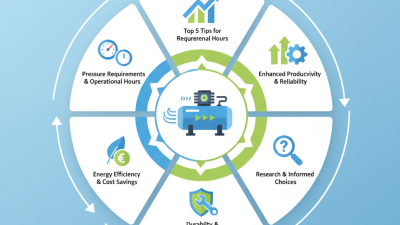
Top 5 Tips for Choosing the Right Screw Air Compressor?
-
Why Choose C and C Machines for Your Manufacturing Needs?
-
2026 How to Use Wood CNC Machines for Perfect Craftsmanship?