
-
-
-
-
-
-

With a customized Stiles University course, we can provide expert training for your team, on-location. Whether it's programming, operation or maintenance, we want to help you train your personnel to meet your production goals efficiently and effectively.
-

Experience the trusted workforce development training and machinery knowledge you rely on from Stiles University, now at your convenience. With technology changing every day and new methods being developed constantly, Stiles University Online has the latest information and training content available at your fingertips.
-
-
-

Do you want to produce more efficiently? Processes and flows are key. We optimize these together with you, re-organize them and make sure that you reduce your lead time and save costs. This enables you to implement customized manufacturing and achieve your business goals.
-

Industrialized construction is evolving. Automation, robotics and advanced technology are raising the level of productivity, efficiency and precision for builders in North America.
-

Stiles Machinery is at the forefront of providing technology and machining for producing high quality mass timber. Automated solutions for your mass timber production can increase your manufacturing quality and productivity.
-

Project management services from Stiles make it easy to streamline your entire project— from concept and consultation to integration and implementation.
-



-
-
-
-
-
-
With a customized Stiles University course, we can provide expert training for your team, on-location. Whether it's programming, operation or maintenance, we want to help you train your personnel to meet your production goals efficiently and effectively.
-
Experience the trusted workforce development training and machinery knowledge you rely on from Stiles University, now at your convenience. With technology changing every day and new methods being developed constantly, Stiles University Online has the latest information and training content available at your fingertips.
-
-
-
Do you want to produce more efficiently? Processes and flows are key. We optimize these together with you, re-organize them and make sure that you reduce your lead time and save costs. This enables you to implement customized manufacturing and achieve your business goals.
-
Industrialized construction is evolving. Automation, robotics and advanced technology are raising the level of productivity, efficiency and precision for builders in North America.
-
Stiles Machinery is at the forefront of providing technology and machining for producing high quality mass timber. Automated solutions for your mass timber production can increase your manufacturing quality and productivity.
-
Project management services from Stiles make it easy to streamline your entire project— from concept and consultation to integration and implementation.
-
Why Choose C and C Machines for Your Manufacturing Needs?
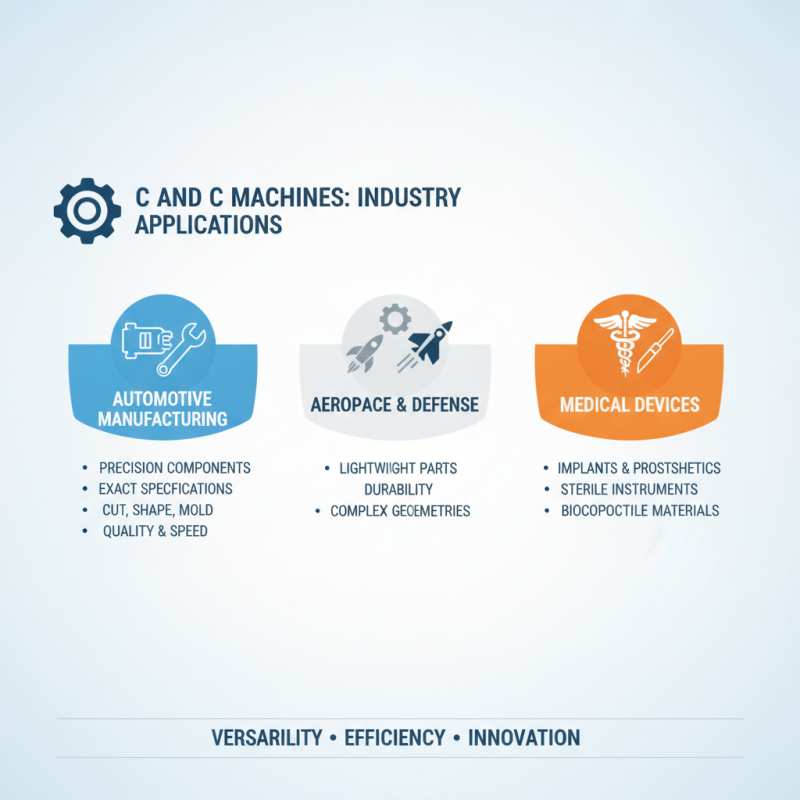
In today's competitive manufacturing landscape, choosing the right equipment is critical for success. C and C machines have emerged as a popular choice among manufacturers seeking efficiency and precision. These machines offer unique capabilities that can enhance production processes. They are designed to meet the demands of modern manufacturing with reliability and speed.
Selecting C and C machines means investing in technology that keeps pace with industry advancements. Their versatility allows them to handle various materials and products. However, it is essential to carefully evaluate the specific needs of your operation before making a decision. Not every C and C machine is suitable for all applications. Understanding your requirements is vital for optimal performance.
Beyond technical specifications, the expertise and support provided by C and C manufacturers play a crucial role. Being aware of the potential shortfalls of machinery is important. There are instances where advanced features can complicate operations instead of simplifying them. Taking time to reflect on these aspects can lead to better long-term outcomes in manufacturing.
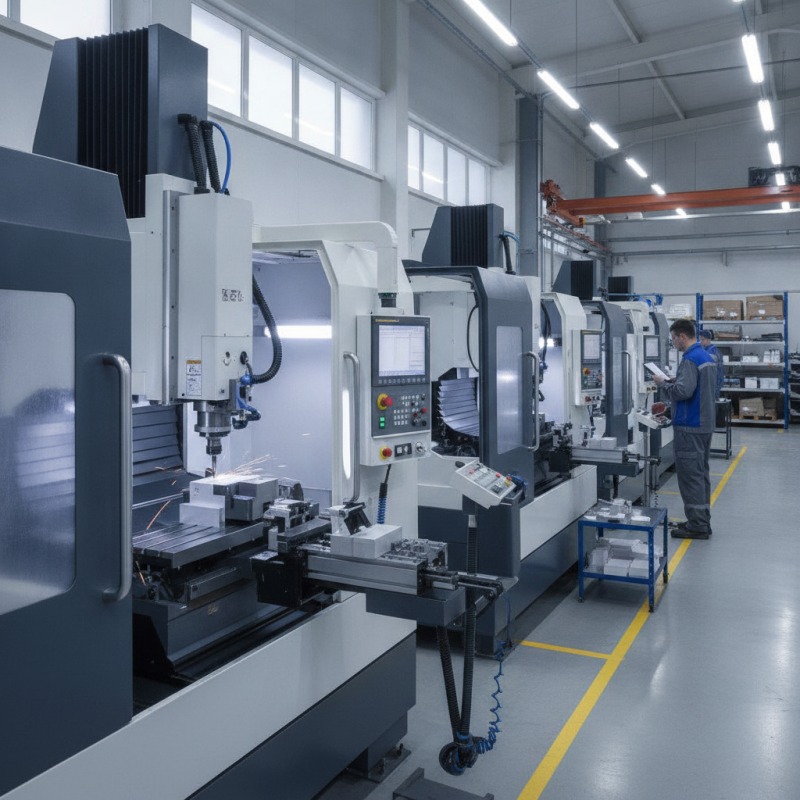
Understanding C and C Machines: An Overview
C and C machines play a crucial role in modern manufacturing. Their precision and versatility make them indispensable tools. According to a report by Grand View Research, the CNC machine market size was valued at over $70 billion in 2022 and is expected to grow significantly. This growth signals an increased reliance on advanced machinery in production processes.
These machines offer enhanced efficiency. They can operate continuously, reducing downtime. Tools can be automatically changed, allowing for seamless production. A study from the International Journal of Advanced Manufacturing Technology highlights that CNC machines can increase productivity by up to 50%. Such efficiency is essential for maintaining competitiveness.
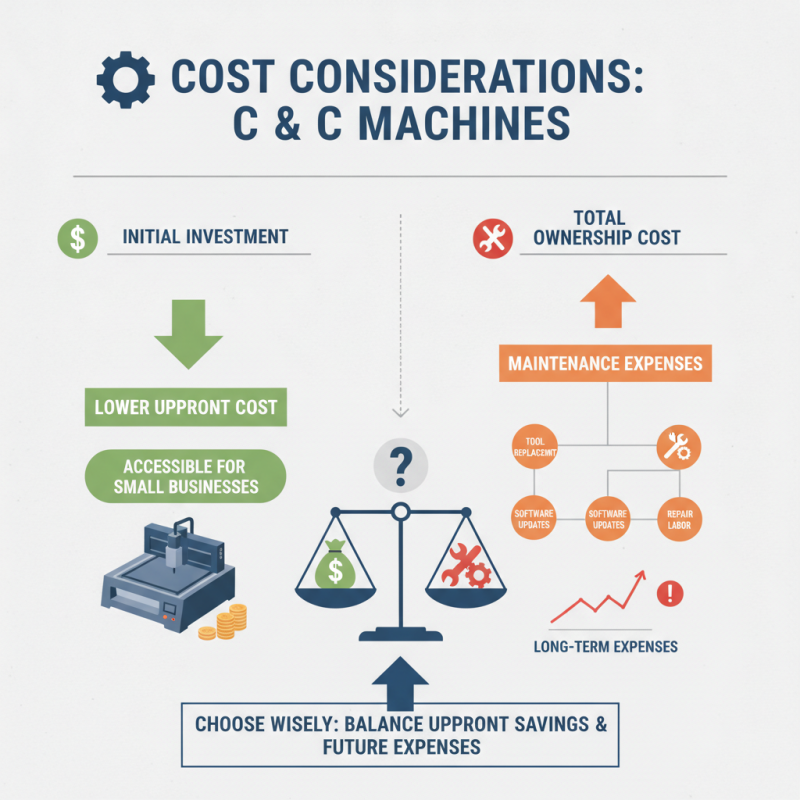
Manufacturers must consider the initial investment in C and C machines. Despite their high cost, the long-term benefits often outweigh challenges. Moreover, operators may require additional training. This reflects the evolving nature of manufacturing. Continuous learning is necessary to adapt to technological changes. Even with these challenges, the advantages are compelling. Enhanced precision, reduced waste, and increased output position C and C machines as a smart choice for modern manufacturing needs.
Related Posts
-
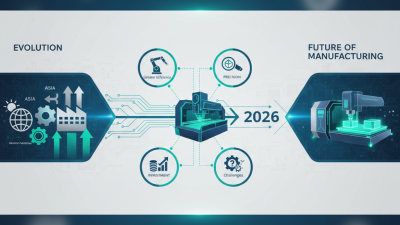
Top C and C Machine Innovations to Watch in 2026?
-
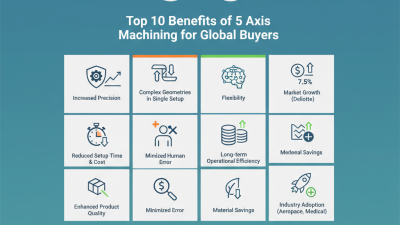
Top 10 Benefits of 5 Axis Machining for Global Buyers?
-
Exploring the Future of Manufacturing: How CNC Machines are Revolutionizing Production Techniques
-
The Future of Manufacturing How CNC Machining Parts Revolutionize Production Processes
-
10 Essential Tips for Maximizing Efficiency with Your CNC Mill
-
10 Essential Tips for Choosing the Right CNC Router for Your Projects