
-
-
-
-
-
-

With a customized Stiles University course, we can provide expert training for your team, on-location. Whether it's programming, operation or maintenance, we want to help you train your personnel to meet your production goals efficiently and effectively.
-

Experience the trusted workforce development training and machinery knowledge you rely on from Stiles University, now at your convenience. With technology changing every day and new methods being developed constantly, Stiles University Online has the latest information and training content available at your fingertips.
-
-
-

Do you want to produce more efficiently? Processes and flows are key. We optimize these together with you, re-organize them and make sure that you reduce your lead time and save costs. This enables you to implement customized manufacturing and achieve your business goals.
-
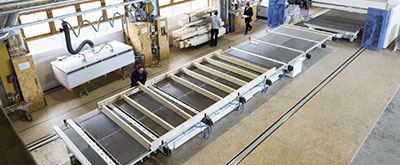
Industrialized construction is evolving. Automation, robotics and advanced technology are raising the level of productivity, efficiency and precision for builders in North America.
-

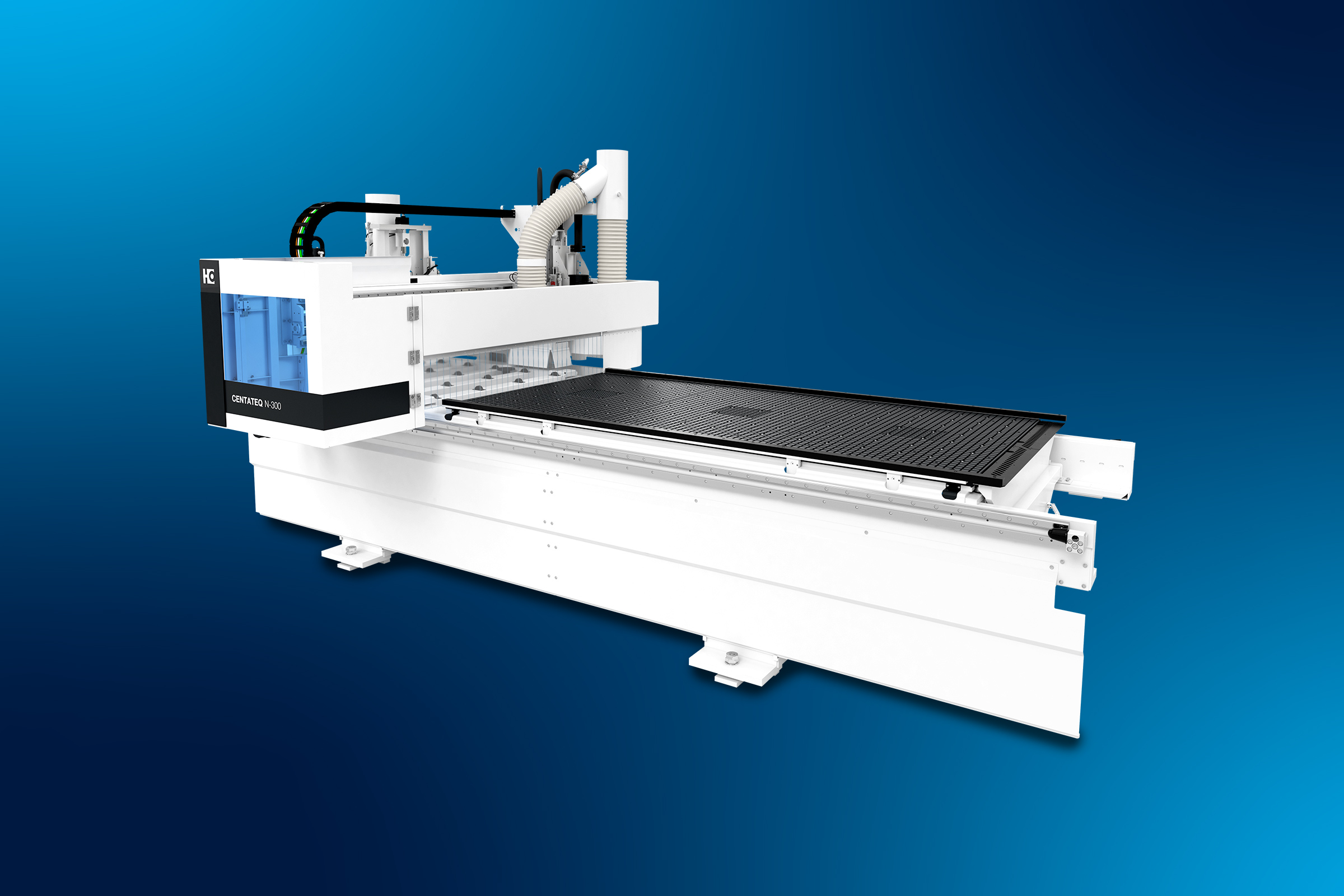
Stiles Machinery is at the forefront of providing technology and machining for producing high quality mass timber. Automated solutions for your mass timber production can increase your manufacturing quality and productivity.
-

Project management services from Stiles make it easy to streamline your entire project— from concept and consultation to integration and implementation.
-


-
-
-
-
-
-
With a customized Stiles University course, we can provide expert training for your team, on-location. Whether it's programming, operation or maintenance, we want to help you train your personnel to meet your production goals efficiently and effectively.
-
Experience the trusted workforce development training and machinery knowledge you rely on from Stiles University, now at your convenience. With technology changing every day and new methods being developed constantly, Stiles University Online has the latest information and training content available at your fingertips.
-
-
-
Do you want to produce more efficiently? Processes and flows are key. We optimize these together with you, re-organize them and make sure that you reduce your lead time and save costs. This enables you to implement customized manufacturing and achieve your business goals.
-
Industrialized construction is evolving. Automation, robotics and advanced technology are raising the level of productivity, efficiency and precision for builders in North America.
-
Stiles Machinery is at the forefront of providing technology and machining for producing high quality mass timber. Automated solutions for your mass timber production can increase your manufacturing quality and productivity.
-
Project management services from Stiles make it easy to streamline your entire project— from concept and consultation to integration and implementation.
-
How to Choose a CNC Manufacturing Company
Choosing a CNC manufacturing company is not just a price comparison. It is a decision about whether a supplier can turn your drawing into reliable parts, repeatedly. A polished website helps little if the first sample arrives with rough edges, a drifting hole, or a finish that differs from the specification. Details matter.
For CNC manufacturing, quality expert W. Edwards Deming’s principle is useful: “Quality comes not from inspection, but from improvement of the production process.” That idea points beyond a final inspection report. Ask how a company controls setups, checks critical dimensions, and responds when a measurement falls outside tolerance. A capable partner should explain its process in plain terms, not hide behind technical language. Request relevant case studies, material and machining experience, and a sample inspection report. Then compare what each supplier can actually demonstrate.
This guide will help you assess capabilities, equipment, quality systems, communication, lead times, and total cost. Look closely at details such as tool access, surface-finish requirements, and how revisions are handled. Ask who will answer questions once production begins. A low quote can still be the right choice. Sometimes. But a missed delivery or inconsistent batch may cost more than the initial savings. No checklist replaces judgment, and a confident sales call is not proof. Use evidence, ask specific questions, and leave room to reconsider your assumptions.
Understanding CNC Manufacturing and Its Role in Production
How to Choose a CNC Manufacturing Company
Understanding CNC Manufacturing and Its Role in Production
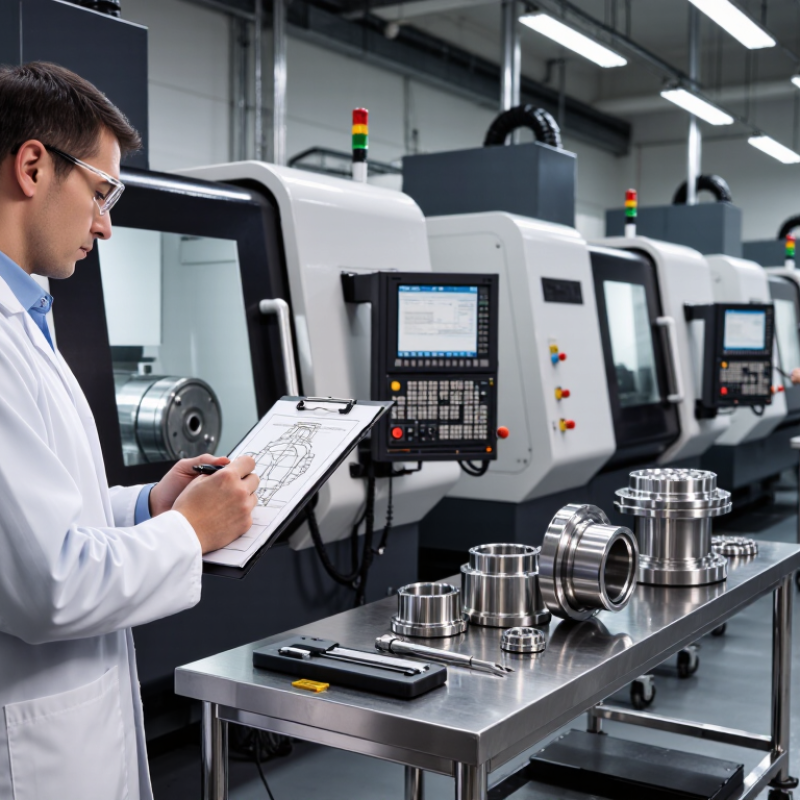
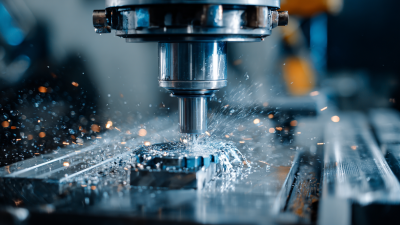
CNC manufacturing uses computer-controlled machines to cut, drill, and shape material with repeatable precision. A digital design guides the machine’s movements, while cutting tools remove material from a metal or plastic workpiece. This process can produce a single prototype or a run of identical parts. It matters.
The machine is only one part of the process. Engineers review drawings, select suitable materials, plan toolpaths, and check dimensions during production. For example, a small hole may need a tighter tolerance than an outer edge. Clear drawings help prevent mismatched assumptions about dimensions, surface finish, and acceptable variation. A drawing can look complete and still leave a critical question unanswered.
CNC methods are useful for parts with complex shapes, precise features, or repeat production needs. Milling works well for flat faces, slots, and pockets; turning is often suited to cylindrical components. Inspection may involve calipers, micrometers, or coordinate-measuring equipment, depending on the required accuracy. Measurements should be tied to the drawing, not treated as a box to check.
Production also involves trade-offs. Tighter tolerances can increase machining time and inspection effort, while a material change may affect cost and performance. Not every feature needs the smallest possible tolerance. Reviewing those choices early can reduce avoidable revisions, though even a careful process can uncover unexpected issues once a part is made.
Related Posts
-
Top C and C Machine Innovations to Watch in 2026?
-
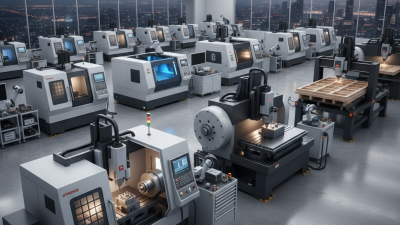
Top 10 CNC Machine Types You Need to Know for Precision Machining
-
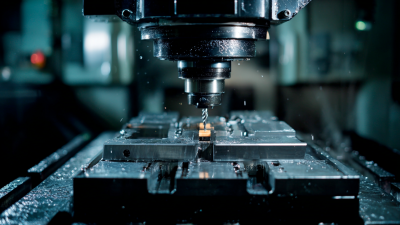
Exploring the Future of Manufacturing: How CNC Machines are Revolutionizing Production Techniques
-
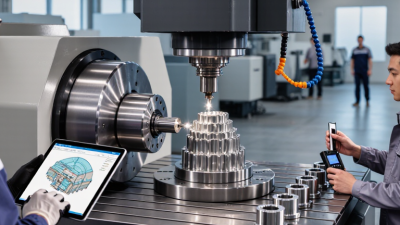
2026 Top CNC Manufacturing Suppliers for Global Buyers
-
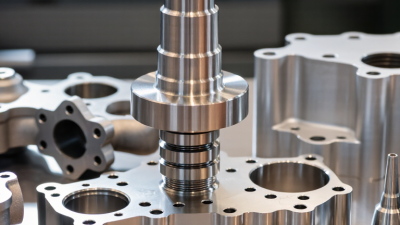
What Are the Top Types of CNC Machining Parts?
-
The Future of Manufacturing How CNC Machining Parts Revolutionize Production Processes