
-
-
-
-
-
-

With a customized Stiles University course, we can provide expert training for your team, on-location. Whether it's programming, operation or maintenance, we want to help you train your personnel to meet your production goals efficiently and effectively.
-

Experience the trusted workforce development training and machinery knowledge you rely on from Stiles University, now at your convenience. With technology changing every day and new methods being developed constantly, Stiles University Online has the latest information and training content available at your fingertips.
-
-
-

Do you want to produce more efficiently? Processes and flows are key. We optimize these together with you, re-organize them and make sure that you reduce your lead time and save costs. This enables you to implement customized manufacturing and achieve your business goals.
-
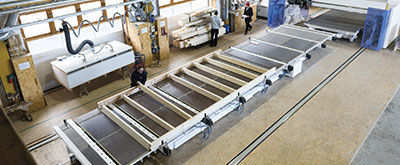
Industrialized construction is evolving. Automation, robotics and advanced technology are raising the level of productivity, efficiency and precision for builders in North America.
-

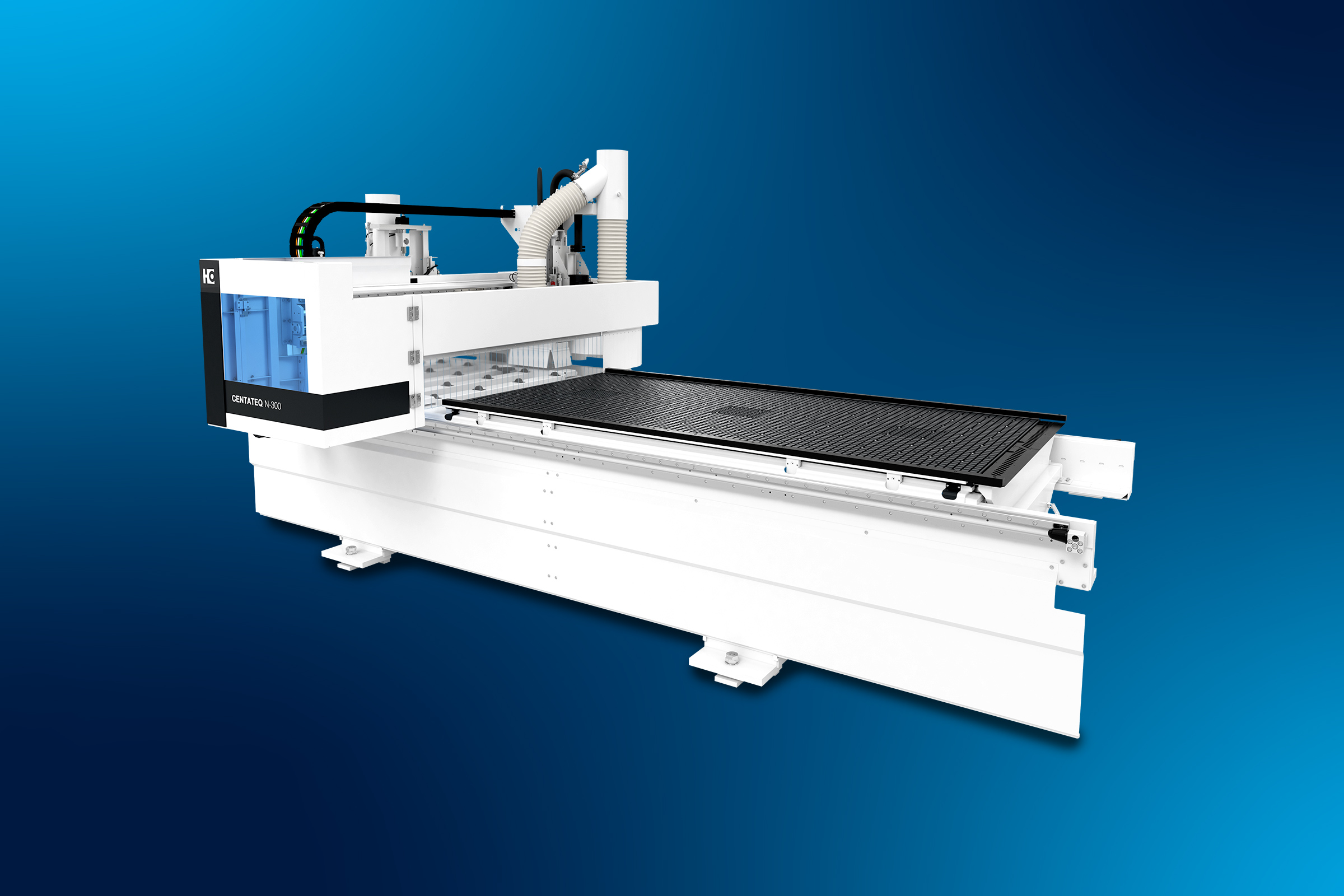
Stiles Machinery is at the forefront of providing technology and machining for producing high quality mass timber. Automated solutions for your mass timber production can increase your manufacturing quality and productivity.
-

Project management services from Stiles make it easy to streamline your entire project— from concept and consultation to integration and implementation.
-


-
-
-
-
-
-
With a customized Stiles University course, we can provide expert training for your team, on-location. Whether it's programming, operation or maintenance, we want to help you train your personnel to meet your production goals efficiently and effectively.
-
Experience the trusted workforce development training and machinery knowledge you rely on from Stiles University, now at your convenience. With technology changing every day and new methods being developed constantly, Stiles University Online has the latest information and training content available at your fingertips.
-
-
-
Do you want to produce more efficiently? Processes and flows are key. We optimize these together with you, re-organize them and make sure that you reduce your lead time and save costs. This enables you to implement customized manufacturing and achieve your business goals.
-
Industrialized construction is evolving. Automation, robotics and advanced technology are raising the level of productivity, efficiency and precision for builders in North America.
-
Stiles Machinery is at the forefront of providing technology and machining for producing high quality mass timber. Automated solutions for your mass timber production can increase your manufacturing quality and productivity.
-
Project management services from Stiles make it easy to streamline your entire project— from concept and consultation to integration and implementation.
-
2026 Top CNC Manufacturing Suppliers for Global Buyers
Choosing a reliable CNC manufacturing supplier in 2026 requires more than comparing prices or viewing polished factory photos. Global buyers need evidence of technical competence, production consistency, communication quality, and responsible business practices. This guide introduces leading CNC manufacturing suppliers serving international markets, with attention to machining capacity, material expertise, inspection systems, certifications, lead times, and after-sales support.
A dependable supplier should explain its process clearly, from CAD review and toolpath planning to machining, deburring, surface treatment, and final inspection. Look for practical evidence: calibrated CMM reports, traceable material certificates, sample parts, and photographs of active production lines. Details matter. A five-axis machine may reduce setups, while automated probing can improve repeatability on complex parts. However, equipment alone does not guarantee good results. Skilled operators, experienced engineers, and disciplined quality procedures remain essential.
Communication is equally important. Can the supplier identify tolerance risks before production? Can it provide realistic delivery updates when materials arrive late? These questions often reveal more than a website. Some firms may offer excellent machining but limited export support. Others may communicate well yet struggle with demanding tolerances. No ranking is perfect. Buyer requirements differ, and supplier performance can change over time. Therefore, this selection should support careful verification, not replace it.
The following overview highlights promising CNC manufacturing suppliers for global buyers in 2026. It considers real production capability, engineering support, quality reliability, industry experience, and suitability for long-term cooperation. Request current documentation, review inspection samples, and test communication before placing a large order. Small checks prevent expensive surprises.
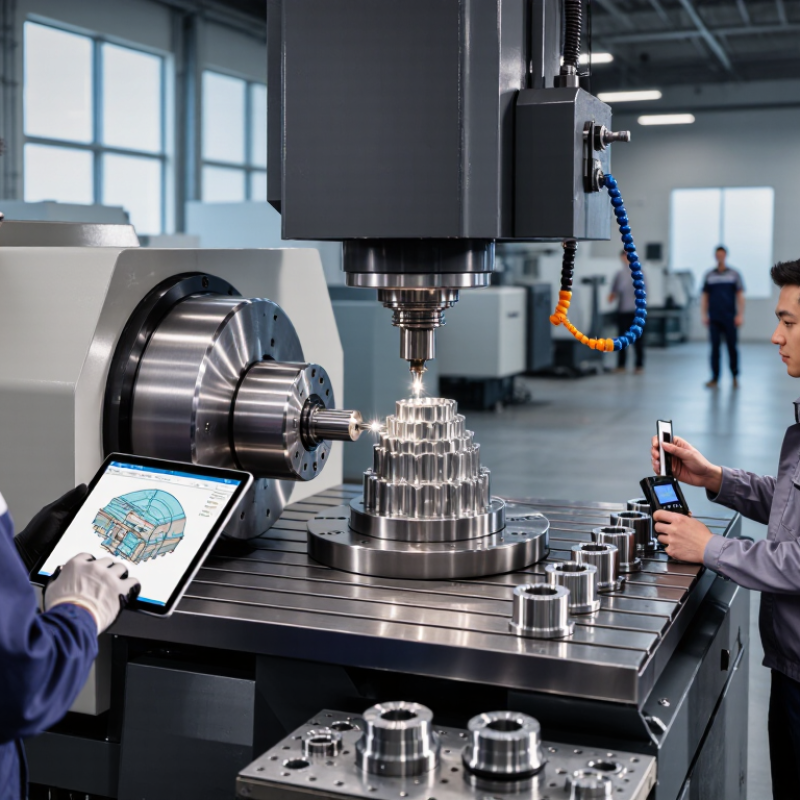
CNC Manufacturing in 2026: Processes, Materials, and ±0.01 mm Tolerance
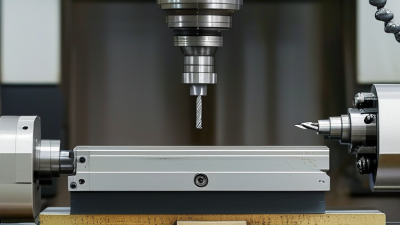
CNC manufacturing in 2026 depends on matching each process to the part’s function. Three-axis milling suits accessible prismatic features, while five-axis machining reduces setups on complex housings. Turning remains efficient for shafts, bushings, and threaded components. Wire EDM can produce narrow slots after heat treatment, but it usually adds cost and lead time.
Material selection changes both machining behavior and inspection results. Aluminum cuts quickly, yet thin walls can vibrate or distort. Stainless steel needs controlled speeds, sharp tooling, and reliable chip removal. Titanium demands patience because heat stays near the cutting zone. Engineering plastics are lightweight, but moisture and temperature can shift dimensions. The drawing should identify material grade, hardness, surface finish, and critical datums.
A ±0.01 mm tolerance is achievable, not automatic. Machine condition, tool wear, thermal expansion, clamping force, and part geometry all matter. A supplier should explain which dimensions receive this tolerance and how they will verify it. In serious production, operators may use in-process probing, calibrated micrometers, air gauges, or coordinate measuring machines. Inspection reports should connect measurements to drawing datums, not just list attractive numbers. A small room-temperature change can influence results. This detail is easy to overlook. Global buyers should request capability data, sampling plans, and packaging controls before approving production. Even experienced teams sometimes over-specify tolerances, increasing price without improving performance. Reviewing functional requirements again can expose that mistake.
Related Posts
-
How to Choose the Best Small CNC Machine at Canton Fair 2026?
-
10 CNC Machine Buying Tips for Global Buyers
-
Top C and C Machine Innovations to Watch in 2026?
-
2026 How to Choose the Right CNC Mill for Your Workshop Needs?
-
The Best CNC Mill Types for Your Machining Needs?
-
Top 5 C and C Machine Solutions for Global Buyers?