
-
-
-
-
-
-

With a customized Stiles University course, we can provide expert training for your team, on-location. Whether it's programming, operation or maintenance, we want to help you train your personnel to meet your production goals efficiently and effectively.
-

Experience the trusted workforce development training and machinery knowledge you rely on from Stiles University, now at your convenience. With technology changing every day and new methods being developed constantly, Stiles University Online has the latest information and training content available at your fingertips.
-
-
-

Do you want to produce more efficiently? Processes and flows are key. We optimize these together with you, re-organize them and make sure that you reduce your lead time and save costs. This enables you to implement customized manufacturing and achieve your business goals.
-
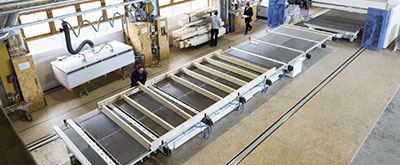
Industrialized construction is evolving. Automation, robotics and advanced technology are raising the level of productivity, efficiency and precision for builders in North America.
-
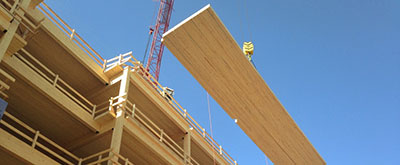
Stiles Machinery is at the forefront of providing technology and machining for producing high quality mass timber. Automated solutions for your mass timber production can increase your manufacturing quality and productivity.
-

Project management services from Stiles make it easy to streamline your entire project— from concept and consultation to integration and implementation.
-


-
-
-
-
-
-
With a customized Stiles University course, we can provide expert training for your team, on-location. Whether it's programming, operation or maintenance, we want to help you train your personnel to meet your production goals efficiently and effectively.
-
Experience the trusted workforce development training and machinery knowledge you rely on from Stiles University, now at your convenience. With technology changing every day and new methods being developed constantly, Stiles University Online has the latest information and training content available at your fingertips.
-
-
-
Do you want to produce more efficiently? Processes and flows are key. We optimize these together with you, re-organize them and make sure that you reduce your lead time and save costs. This enables you to implement customized manufacturing and achieve your business goals.
-
Industrialized construction is evolving. Automation, robotics and advanced technology are raising the level of productivity, efficiency and precision for builders in North America.
-
Stiles Machinery is at the forefront of providing technology and machining for producing high quality mass timber. Automated solutions for your mass timber production can increase your manufacturing quality and productivity.
-
Project management services from Stiles make it easy to streamline your entire project— from concept and consultation to integration and implementation.
-
2026 Best Wood CNC Machine for Global Buyers?
Choosing the 2026 best wood cnc machine for global buyers requires more than comparing prices and spindle speeds. A suitable machine must match real production needs, workshop space, operator skills, and local service conditions. A cabinet maker in Canada may value a heated workshop and metric tooling. A furniture producer in Brazil may prioritize dust extraction, voltage compatibility, and nearby technical support. These details can decide whether a machine creates profit or frustration.
CNC expert Edward Ford offers a practical reminder: “A CNC machine is only as good as the process around it.” That principle remains important in 2026. A powerful spindle cannot correct poor material preparation, weak tool selection, or inaccurate design files. Buyers should examine cutting depth, frame rigidity, working area, controller stability, software compatibility, and replacement-part availability. Safety systems also deserve careful attention, including emergency stops, guarding, ventilation, and reliable dust collection.
This guide compares leading wood cnc machine options through an international buyer’s viewpoint. It considers performance, ownership cost, training, shipping, warranty support, and long-term maintenance. Demonstrations can look impressive. Real workshops are less perfect. Dust enters moving parts, operators make mistakes, and supply delays happen. That is uncomfortable, but useful. A thoughtful purchase leaves room for these problems.
Specifications matter, but evidence matters more. We will examine manufacturer documentation, user experience, service responsiveness, and practical cutting results. Some machines may appear affordable yet become expensive after tooling, software, freight, and installation. Others may cost more initially but deliver steadier production. Global buyers should question every attractive claim and select equipment they can operate, maintain, and support with confidence.
Wood CNC Machine Types: 3-Axis, 4-Axis, and 5-Axis Applications
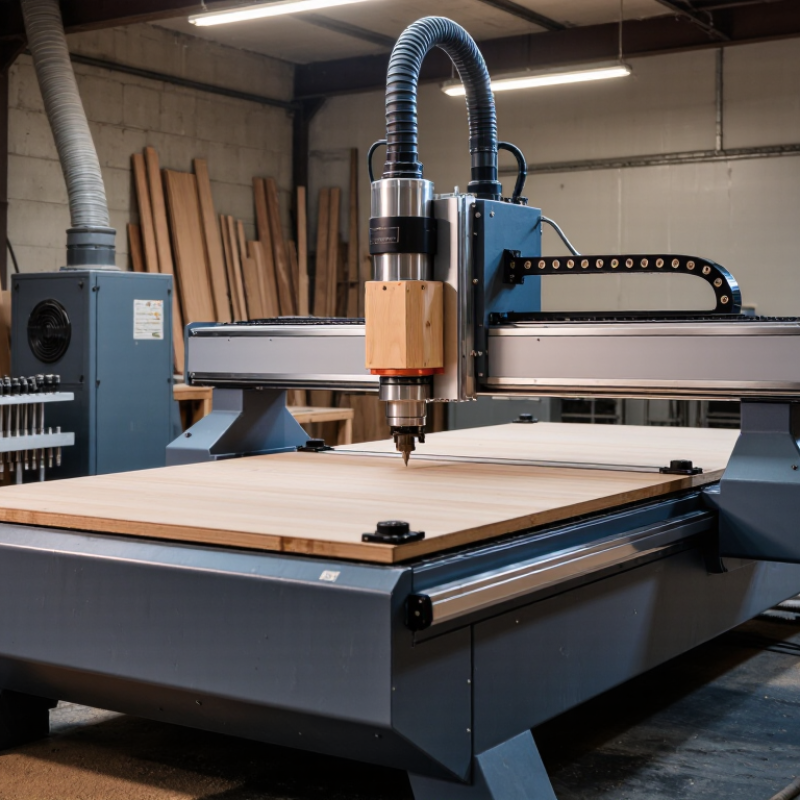
For global buyers, the best wood CNC machine in 2026 depends on geometry, workload, and operator skill. Grand View Research valued the global CNC machine market at over USD 80 billion in 2023, with strong growth projected through 2030. That expansion reflects wider automation, not a universal need for five axes. A suitable machine should match real cutting tasks.
A 3-axis router remains practical for cabinet panels, doors, signs, and nested sheets. It cuts X, Y, and Z directions with simpler programming and lower maintenance demands. MarketsandMarkets reports that 3-axis systems continue to hold a major share of CNC installations because they offer accessible pricing and reliable production. In my experience, a rigid frame and effective dust extraction often matter more than advertised speed. Small errors become visible around drawer joints.
A 4-axis machine adds rotary movement for columns, chair legs, and carved posts. It reduces repositioning and can improve detail consistency. A 5-axis model tilts the cutting tool, supporting sculpted furniture, deep reliefs, and compound surfaces. The extra freedom demands better simulation, tooling, and training. An IMARC Group industry analysis identifies rising demand for complex, customized components across advanced CNC manufacturing. That trend is real, but a 5-axis purchase can be wasteful for flat-sheet work. Buyers should test sample files, measure repeatability, inspect spindle runout, and confirm regional service support before choosing. Mistakes happen. Specifications alone cannot reveal production behavior.
2026 Best Wood CNC Machine for Global Buyers? - Wood CNC Machine Types: 3-Axis, 4-Axis, and 5-Axis Applications
| Evaluation Dimension | 3-Axis CNC Router | 4-Axis CNC Router | 5-Axis CNC Machine |
|---|---|---|---|
| Axis Configuration | X, Y, and Z linear movement | Three linear axes plus one rotary axis, usually around X or Y | Three linear axes plus two rotary axes for simultaneous multi-angle cutting |
| Typical Wood Applications | Cabinet panels, doors, signs, furniture parts, relief carving, nesting, and sheet processing | Chair legs, table legs, posts, columns, stair components, balusters, and cylindrical carvings | Complex furniture components, sculptural parts, deep cavities, curved surfaces, and precision prototypes |
| Best Workpiece Geometry | Flat, 2.5D, and moderately contoured workpieces | Round, square, or polygonal components requiring access around one additional rotational direction | Highly contoured, undercut, angled, and multi-sided components |
| Common Working Area | Approximately 600 × 900 mm to 2100 × 3100 mm, depending on the machine format | Approximately 600–1500 mm in length for rotary work, or a sheet bed with a rotary attachment | Commonly smaller or medium-sized work envelopes optimized for multi-sided access and tool clearance |
| Typical Spindle Power | About 2.2–9 kW for general wood routing and production work | About 3–9 kW, depending on workpiece diameter, material, and production volume | About 5–15 kW or more for demanding multi-axis cutting and continuous production |
| Typical Cutting Speed | Rapid traverse commonly around 15–30 m/min; actual cutting speed depends on tool, wood species, and depth of cut | Often around 10–25 m/min for rotary work, with speed limited by balance, diameter, and tool engagement | Often around 5–20 m/min during complex cutting; accuracy and tool orientation are prioritized over maximum speed |
| Primary Strength | Simple programming, high productivity on sheet goods, and broad suitability for general woodworking | Efficient machining of rotational parts with fewer manual repositioning steps | Excellent tool access, fewer setups, and better capability for complex three-dimensional surfaces |
| Main Limitation | Cannot automatically reach all sides of a workpiece without repositioning or additional fixtures | Less suitable for complex undercuts and surfaces requiring two simultaneous rotary movements | Higher purchase cost, more advanced programming, longer setup time, and greater operator skill requirements |
| Programming Requirement | Basic to intermediate CAD/CAM knowledge; widely supported by standard 3-axis toolpaths | Intermediate CAD/CAM knowledge with rotary-axis setup and post-processing | Advanced CAD/CAM skills, verified post-processors, collision checking, and machine simulation |
| Recommended Production Volume | Prototyping, custom orders, small workshops, and medium-to-high volume panel production | Custom and batch production of repeated rotational components | Low-to-high volume specialized production where complex geometry justifies the investment |
| Material Compatibility | Solid wood, plywood, MDF, particleboard, veneers, and many plastic sheet materials | Solid wood and laminated wood components; suitable for cylindrical and faceted parts | Solid wood, engineered wood, laminated components, and selected composite materials with suitable tooling |
| Approximate Investment Level | Low to medium, depending on bed size, spindle, automation, and dust extraction | Medium, especially when equipped with a dedicated rotary table and automatic tool changing | High, due to multi-axis mechanics, control systems, software, calibration, and training |
| Ideal Buyer Profile | Furniture makers, cabinet shops, sign manufacturers, educators, and general woodworking businesses | Furniture producers and craft manufacturers making legs, posts, columns, and other rotational parts | Specialized manufacturers, advanced furniture producers, mold makers, and high-complexity design studios |
| Best Choice for Global Buyers | Best all-round option for most woodworking businesses requiring flexibility and manageable operating costs | Best for businesses whose core products include repeated rotary or column-shaped components | Best for advanced users producing complex 3D parts and willing to invest in software, training, and maintenance |
Note: Specifications are typical industry ranges for wood CNC equipment. Actual performance varies with machine structure, control system, tooling, workpiece size, wood species, and operating conditions.
Related Posts
-
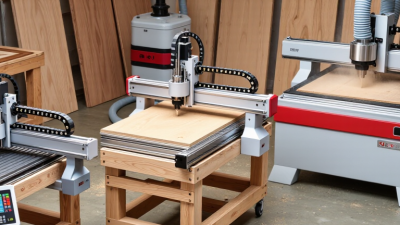
What Are the Best CNC Routers for Woodworking in 2026?
-
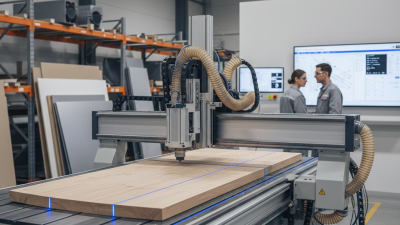
Best CNC Router Table for Global Buyers in 2026?
-
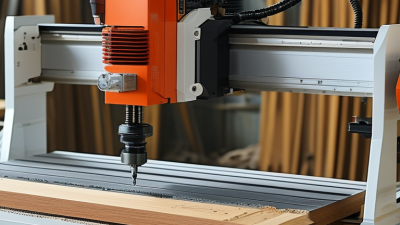
What Is the Best Woodworking CNC Machine from China?
-
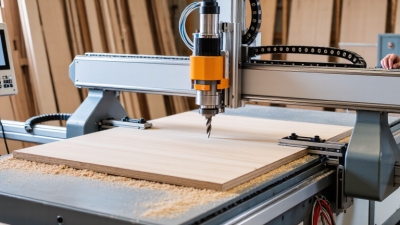
What Is a Wood CNC Machine and How Does It Work?
-
What Are the Top 10 CNC Wood Carving Machines?
-
Best CNC Wood Carving Machines for Precision Crafting?