
-
-
-
-
-
-

With a customized Stiles University course, we can provide expert training for your team, on-location. Whether it's programming, operation or maintenance, we want to help you train your personnel to meet your production goals efficiently and effectively.
-

Experience the trusted workforce development training and machinery knowledge you rely on from Stiles University, now at your convenience. With technology changing every day and new methods being developed constantly, Stiles University Online has the latest information and training content available at your fingertips.
-
-
-

Do you want to produce more efficiently? Processes and flows are key. We optimize these together with you, re-organize them and make sure that you reduce your lead time and save costs. This enables you to implement customized manufacturing and achieve your business goals.
-

Industrialized construction is evolving. Automation, robotics and advanced technology are raising the level of productivity, efficiency and precision for builders in North America.
-

Stiles Machinery is at the forefront of providing technology and machining for producing high quality mass timber. Automated solutions for your mass timber production can increase your manufacturing quality and productivity.
-

Project management services from Stiles make it easy to streamline your entire project— from concept and consultation to integration and implementation.
-



-
-
-
-
-
-
With a customized Stiles University course, we can provide expert training for your team, on-location. Whether it's programming, operation or maintenance, we want to help you train your personnel to meet your production goals efficiently and effectively.
-
Experience the trusted workforce development training and machinery knowledge you rely on from Stiles University, now at your convenience. With technology changing every day and new methods being developed constantly, Stiles University Online has the latest information and training content available at your fingertips.
-
-
-
Do you want to produce more efficiently? Processes and flows are key. We optimize these together with you, re-organize them and make sure that you reduce your lead time and save costs. This enables you to implement customized manufacturing and achieve your business goals.
-
Industrialized construction is evolving. Automation, robotics and advanced technology are raising the level of productivity, efficiency and precision for builders in North America.
-
Stiles Machinery is at the forefront of providing technology and machining for producing high quality mass timber. Automated solutions for your mass timber production can increase your manufacturing quality and productivity.
-
Project management services from Stiles make it easy to streamline your entire project— from concept and consultation to integration and implementation.
-
What is Woodworking Machinery and How to Choose the Best?
Woodworking machinery is essential for both hobbyists and professionals in the woodworking industry. According to Mike Smith, a renowned woodworking expert, "The right tools can transform your project from ordinary to extraordinary." Choosing the best woodworking machinery can be daunting due to the vast array of options available.
When selecting machinery, consider the specifics of your projects. Are you crafting fine furniture or large constructions? Each task demands different tools. It's crucial to find machinery that aligns with your skills and goals. Not all machines are user-friendly, and beginners may struggle.
Quality, durability, and ease of use are key factors in decision-making. Visiting showrooms and trying machines can make a difference. Experienced woodworkers often recommend brands with a solid reputation. However, reflecting on personal needs will provide clarity in choices. Remember, investing in quality machinery is vital for achieving professional results.
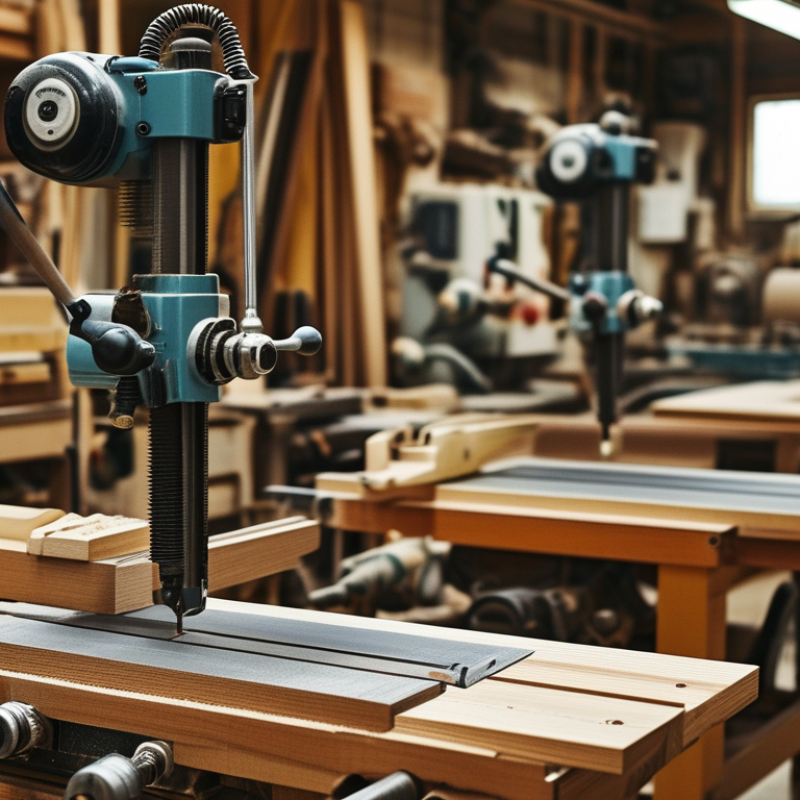
What is Woodworking Machinery? An Overview of Types and Uses
Woodworking machinery encompasses a range of tools designed to assist in building and crafting wooden items. This machinery includes saws, planers, lathes, and routers, each serving a unique purpose. According to industry reports, the global woodworking machinery market is expected to reach $10.3 billion by 2025, reflecting a growing interest in woodworking as a skill and a profession.
Saws are essential for cutting wood into desired shapes, while planers help achieve smooth surfaces. Lathes allow for shaping wood, making them invaluable for furniture making. The key is understanding the specific needs of your projects. Each tool has its strengths and weaknesses, which can impact the quality of your work. Beginners might struggle with the nuances of each machine but can greatly improve their skills through practice.
Choosing the right machinery comes down to intended use and budget. Some tools may offer advanced features that seem tempting but can lead to frustration if not used properly. Investing in quality over quantity is crucial. Research shows that prioritizing well-reviewed machinery can lead to better craftsmanship and increased safety in the workshop. However, ensuring proper maintenance of these machines is often overlooked, which can result in reduced efficiency and safety hazards.
Related Posts
-
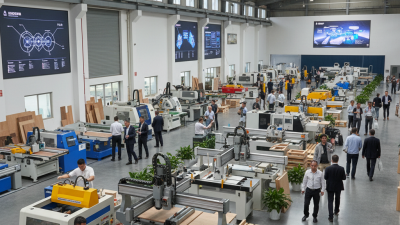
Top Woodworking Machinery in China for Global Buyers?
-
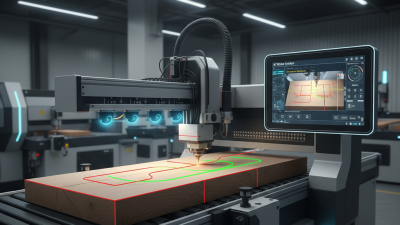
2025 Top 10 Woodworking Machinery Innovations You Can't Miss
-
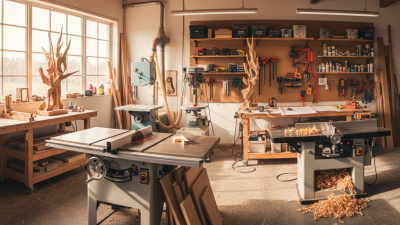
The 10 Best Woodworking Machinery Tools You Need for Your Workshop
-
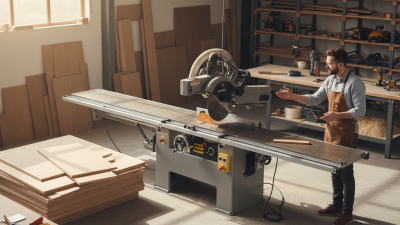
2026 How to Choose the Best Panel Saw for Your Workshop Needs?
-
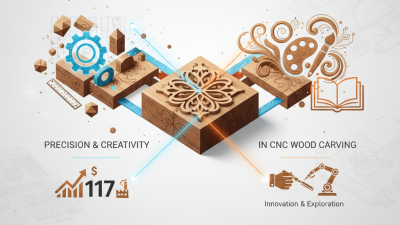
2026 Best CNC Wood Carving Machine for Precision and Creativity?
-
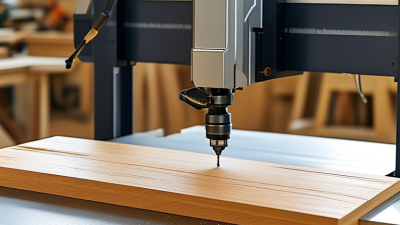
How to Choose the Best Woodworking CNC Machine for Your Needs?