
-
-
-
-
-
-

With a customized Stiles University course, we can provide expert training for your team, on-location. Whether it's programming, operation or maintenance, we want to help you train your personnel to meet your production goals efficiently and effectively.
-

Experience the trusted workforce development training and machinery knowledge you rely on from Stiles University, now at your convenience. With technology changing every day and new methods being developed constantly, Stiles University Online has the latest information and training content available at your fingertips.
-
-
-

Do you want to produce more efficiently? Processes and flows are key. We optimize these together with you, re-organize them and make sure that you reduce your lead time and save costs. This enables you to implement customized manufacturing and achieve your business goals.
-

Industrialized construction is evolving. Automation, robotics and advanced technology are raising the level of productivity, efficiency and precision for builders in North America.
-

Stiles Machinery is at the forefront of providing technology and machining for producing high quality mass timber. Automated solutions for your mass timber production can increase your manufacturing quality and productivity.
-

Project management services from Stiles make it easy to streamline your entire project— from concept and consultation to integration and implementation.
-



-
-
-
-
-
-
With a customized Stiles University course, we can provide expert training for your team, on-location. Whether it's programming, operation or maintenance, we want to help you train your personnel to meet your production goals efficiently and effectively.
-
Experience the trusted workforce development training and machinery knowledge you rely on from Stiles University, now at your convenience. With technology changing every day and new methods being developed constantly, Stiles University Online has the latest information and training content available at your fingertips.
-
-
-
Do you want to produce more efficiently? Processes and flows are key. We optimize these together with you, re-organize them and make sure that you reduce your lead time and save costs. This enables you to implement customized manufacturing and achieve your business goals.
-
Industrialized construction is evolving. Automation, robotics and advanced technology are raising the level of productivity, efficiency and precision for builders in North America.
-
Stiles Machinery is at the forefront of providing technology and machining for producing high quality mass timber. Automated solutions for your mass timber production can increase your manufacturing quality and productivity.
-
Project management services from Stiles make it easy to streamline your entire project— from concept and consultation to integration and implementation.
-
How to Choose the Best Woodworking CNC Machine for Your Needs?
In the evolving landscape of woodworking, choosing the best woodworking CNC machine is crucial for professionals and hobbyists alike. According to a recent report by MarketsandMarkets, the global CNC machine market is projected to reach $100 billion by 2025, reflecting a growing demand for precision and efficiency in woodworking. With countless options available, it is vital to assess specific needs and applications.
Understanding the features of woodworking CNC machines is essential. These machines can range from small, desktop models to large, industrial systems. A survey by Statista revealed that 65% of woodworkers cite accuracy as a primary factor in their purchasing decisions. This highlights the need for tools that not only meet individual specifications but also enhance productivity and quality.
Though many machines offer advanced capabilities, selecting the right one is often challenging. A mismatch can lead to operational inefficiencies, higher costs, and frustration. Buyers need to reflect on their unique projects and skill levels. Engaging with the woodworking community and seeking advice can provide valuable insights into the most suitable options.
Understanding Your Woodworking Needs and Goals
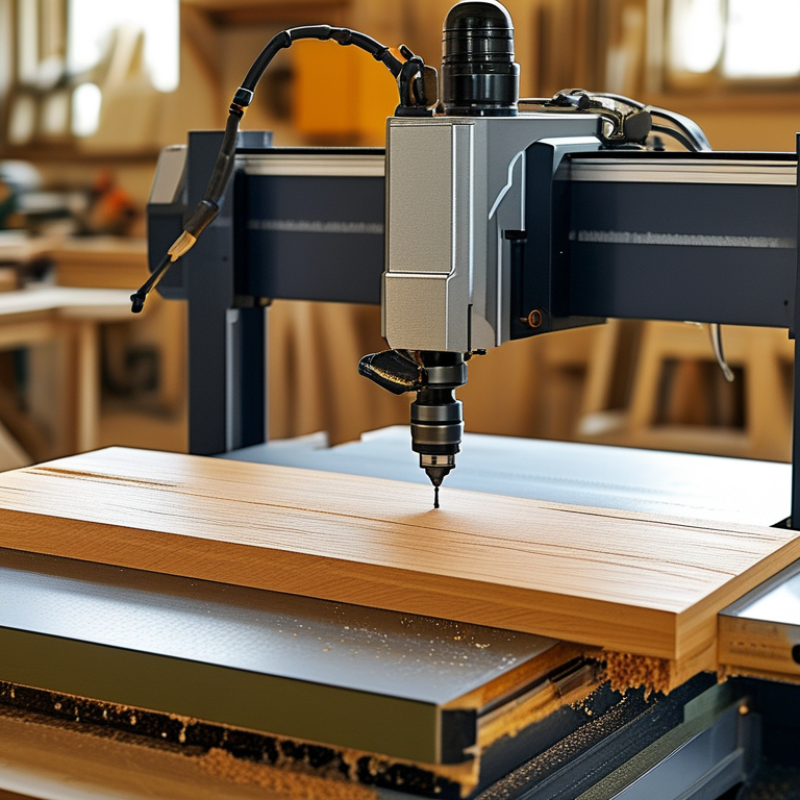
When considering woodworking CNC machines, it’s essential to grasp your specific needs and goals. Customization is key. According to a 2022 survey by the Woodworking Machinery Industry Association, 70% of woodworkers prioritize precision and efficiency. Identifying your project's scale will help you select the right machine. Are you a hobbyist or a professional? The machine you need differs significantly based on your ambitions.
Do you focus on intricate designs or large-scale production? The right CNC machine can optimize your workflow. Research indicates that facilities with CNC machines increase their production rates by up to 50%. However, it's crucial to reflect on your skills. Not every user can effectively run complex machinery without training. Sometimes investing in basic training can yield better results than purchasing the most advanced model.
You should also evaluate your material types. Some machines excel in wood, while others handle composites or plastics. Studies show that 60% of CNC users experience challenges with material compatibility. It’s a reminder to align machine specifications with your chosen materials. This connection is vital for achieving the best results without unnecessary waste. Balancing your objectives with practical capabilities is fundamental to a successful woodworking journey.
Related Posts
-

Unlocking Creativity: How CNC Wood Cutting Machines Transform Custom Furniture Design
-
Top 10 Wood Carving Machines for Professional and Hobby Use
-
Top Wood CNC Machine Benefits for Your Business and Creative Projects
-
2026 Top Woodworking CNC Machines: Features, Benefits, and Buying Guide
-
2026 How to Choose the Best Wood CNC Machine for Your Projects?
-
How to Choose the Best Wood Carving Machine for Your Projects?