
-
-
-
-
-
-

With a customized Stiles University course, we can provide expert training for your team, on-location. Whether it's programming, operation or maintenance, we want to help you train your personnel to meet your production goals efficiently and effectively.
-

Experience the trusted workforce development training and machinery knowledge you rely on from Stiles University, now at your convenience. With technology changing every day and new methods being developed constantly, Stiles University Online has the latest information and training content available at your fingertips.
-
-
-

Do you want to produce more efficiently? Processes and flows are key. We optimize these together with you, re-organize them and make sure that you reduce your lead time and save costs. This enables you to implement customized manufacturing and achieve your business goals.
-

Industrialized construction is evolving. Automation, robotics and advanced technology are raising the level of productivity, efficiency and precision for builders in North America.
-

Stiles Machinery is at the forefront of providing technology and machining for producing high quality mass timber. Automated solutions for your mass timber production can increase your manufacturing quality and productivity.
-

Project management services from Stiles make it easy to streamline your entire project— from concept and consultation to integration and implementation.
-



-
-
-
-
-
-
With a customized Stiles University course, we can provide expert training for your team, on-location. Whether it's programming, operation or maintenance, we want to help you train your personnel to meet your production goals efficiently and effectively.
-
Experience the trusted workforce development training and machinery knowledge you rely on from Stiles University, now at your convenience. With technology changing every day and new methods being developed constantly, Stiles University Online has the latest information and training content available at your fingertips.
-
-
-
Do you want to produce more efficiently? Processes and flows are key. We optimize these together with you, re-organize them and make sure that you reduce your lead time and save costs. This enables you to implement customized manufacturing and achieve your business goals.
-
Industrialized construction is evolving. Automation, robotics and advanced technology are raising the level of productivity, efficiency and precision for builders in North America.
-
Stiles Machinery is at the forefront of providing technology and machining for producing high quality mass timber. Automated solutions for your mass timber production can increase your manufacturing quality and productivity.
-
Project management services from Stiles make it easy to streamline your entire project— from concept and consultation to integration and implementation.
-
What is a Rotary Air Compressor and How Does it Work?
In today's industrial landscape, the rotary air compressor plays a pivotal role. This type of compressor uses a unique mechanism to generate compressed air efficiently. According to industry reports, rotary air compressors can increase energy efficiency by up to 15% compared to reciprocating compressors. This efficiency makes them a preferred choice for various applications, including manufacturing and HVAC systems.
However, not all rotary air compressors are created equal. Many consumers overlook maintenance needs, leading to performance issues. A well-maintained rotary air compressor can last over a decade, whereas neglect can reduce its lifespan significantly. Additionally, the market for air compressors is expected to reach $41 billion by 2026, indicating a growing reliance on these machines.
Despite their advantages, rotary air compressors require careful consideration. Users must assess their needs, as not every model suits every task. Understanding specifications is crucial to avoid common pitfalls. Investing in the right rotary air compressor can ensure productivity and cost-effectiveness in various operations.
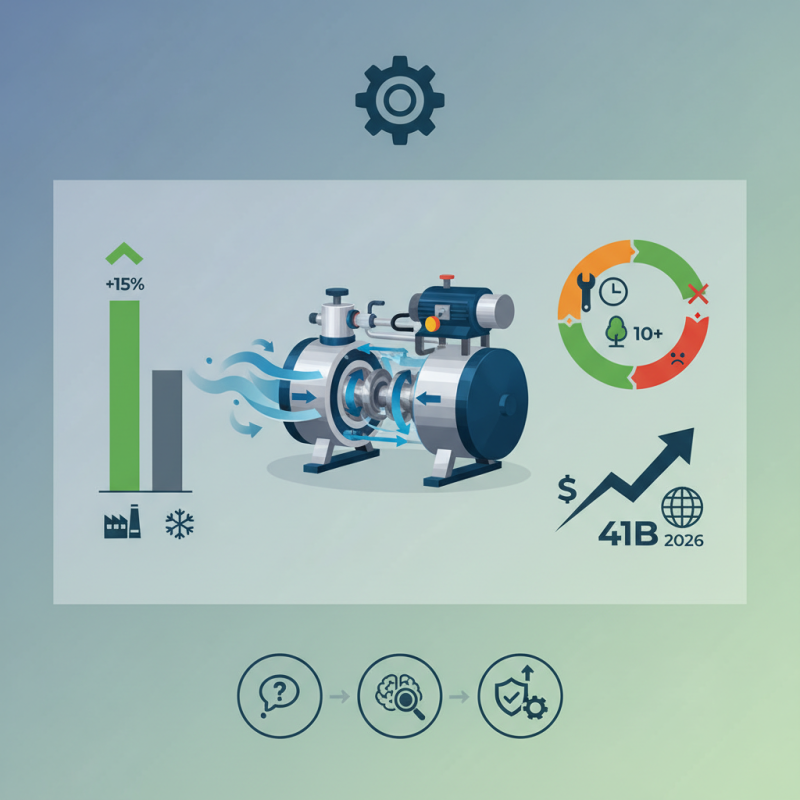
What is a Rotary Air Compressor?
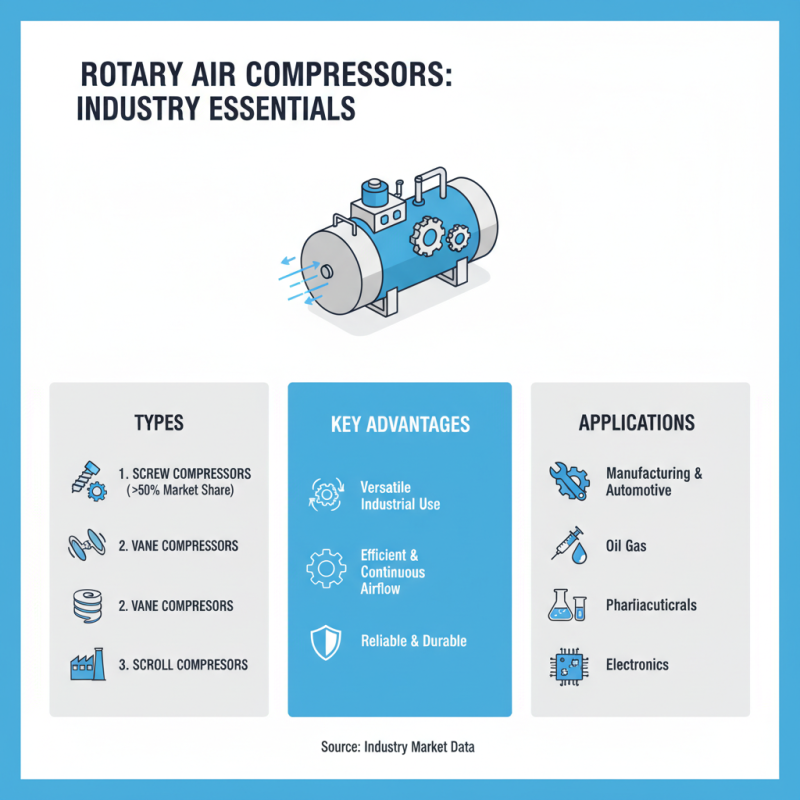
A rotary air compressor is a mechanical device used to compress air. It operates using a rotating mechanism, which efficiently compresses air to increase its pressure. This type of compressor is known for its continuous operation and efficiency, making it popular in various industries. With fewer moving parts, it typically requires less maintenance than other types of compressors.
Inside a rotary air compressor, two rotors turn in opposite directions. As they rotate, air is drawn into the chamber and compressed. The design allows for smooth and constant airflow. However, the heat generated during compression can affect efficiency. Proper cooling is crucial for optimal performance. Sometimes, users overlook the importance of airflow management, leading to inefficiencies.
One challenge with rotary air compressors is noise. They can be louder than expected, which may require additional soundproofing measures. Additionally, their upfront cost can be higher compared to simpler compressors. It's important to weigh these factors against long-term benefits. Users must reflect on their specific needs to determine if a rotary air compressor is the right choice.
Related Posts
-
Top 10 Benefits of Using a Wood CNC Machine for Your Projects?
-
What is a Woodworking CNC Machine and How Does it Work?
-
Top 10 Tips for Using a Sliding Table Saw Efficiently and Safely
-
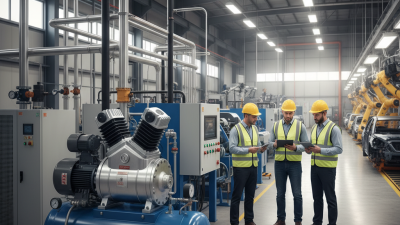
Essential Tips for Choosing the Right Rotary Screw Compressor for Your Needs
-
2026 Top Woodworking CNC Machines: Features, Benefits, and Buying Guide
-
Top 5 CNC Router Kits for Ultimate Precision and DIY Projects in 2023