
-
-
-
-
-
-

With a customized Stiles University course, we can provide expert training for your team, on-location. Whether it's programming, operation or maintenance, we want to help you train your personnel to meet your production goals efficiently and effectively.
-

Experience the trusted workforce development training and machinery knowledge you rely on from Stiles University, now at your convenience. With technology changing every day and new methods being developed constantly, Stiles University Online has the latest information and training content available at your fingertips.
-
-
-

Do you want to produce more efficiently? Processes and flows are key. We optimize these together with you, re-organize them and make sure that you reduce your lead time and save costs. This enables you to implement customized manufacturing and achieve your business goals.
-
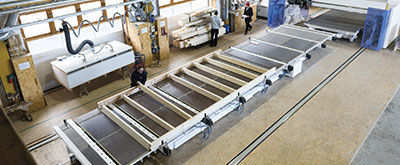
Industrialized construction is evolving. Automation, robotics and advanced technology are raising the level of productivity, efficiency and precision for builders in North America.
-
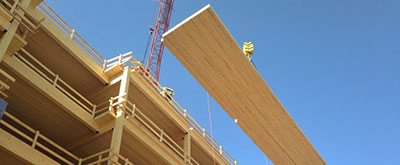
Stiles Machinery is at the forefront of providing technology and machining for producing high quality mass timber. Automated solutions for your mass timber production can increase your manufacturing quality and productivity.
-

Project management services from Stiles make it easy to streamline your entire project— from concept and consultation to integration and implementation.
-

-
-
-
-
-
-
With a customized Stiles University course, we can provide expert training for your team, on-location. Whether it's programming, operation or maintenance, we want to help you train your personnel to meet your production goals efficiently and effectively.
-
Experience the trusted workforce development training and machinery knowledge you rely on from Stiles University, now at your convenience. With technology changing every day and new methods being developed constantly, Stiles University Online has the latest information and training content available at your fingertips.
-
-
-
Do you want to produce more efficiently? Processes and flows are key. We optimize these together with you, re-organize them and make sure that you reduce your lead time and save costs. This enables you to implement customized manufacturing and achieve your business goals.
-
Industrialized construction is evolving. Automation, robotics and advanced technology are raising the level of productivity, efficiency and precision for builders in North America.
-
Stiles Machinery is at the forefront of providing technology and machining for producing high quality mass timber. Automated solutions for your mass timber production can increase your manufacturing quality and productivity.
-
Project management services from Stiles make it easy to streamline your entire project— from concept and consultation to integration and implementation.
-
How to Choose the Right Sanding Machine for Your Project?
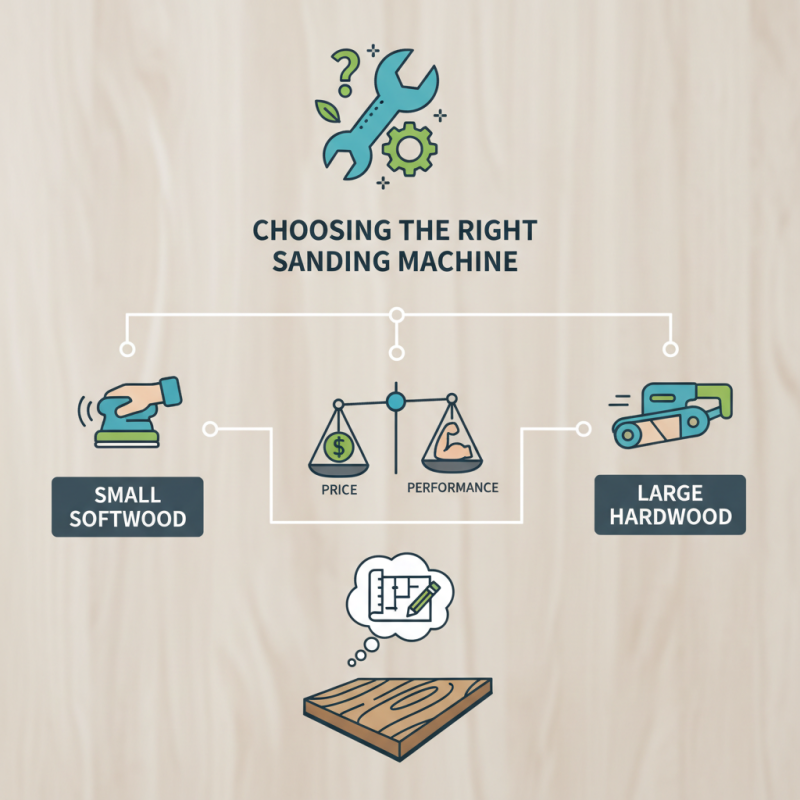
Choosing the right sanding machine for your project can be daunting. Expert carpenter John Smith once said, "A good sanding machine can make or break your finish." This highlights the importance of selecting the proper tool.
Many factors influence your decision. Consider the material you’re working with. A palm sander may suffice for small jobs on softwood. However, larger projects might require a belt sander for efficiency. Each type has its strengths and limitations.
Understanding these nuances helps avoid frustration. While you may feel drawn to a specific model based on price, remember that performance matters more. A low-cost sanding machine might lack the durability needed for extensive use. Always reflect on your project's demands before making a choice.
Factors to Consider When Selecting a Sanding Machine for Your Project
Choosing the right sanding machine can be crucial for any woodworking project. Several factors should guide your decision. Consider your project's scope. For small tasks, a handheld sander is often adequate. For larger surfaces, a stationary sander may be necessary. According to industry reports, over 60% of woodworkers prefer portable sanders for versatility.
Pay attention to the sander's grit compatibility. Lower grit numbers are for aggressive sanding, while higher numbers suit fine finishing. An overwhelming majority of professionals report that using the wrong grit can result in poor finishes and increased work time.
**Tip:** Always test the sander on a scrap piece of wood. This prevents mistakes on your main project.
Power is another significant factor. Machines vary from 2 to 10 amps. A more powerful sander can handle tougher materials efficiently. Yet, it might make finer work trickier.
**Tip:** Keep in mind that heavier sanders can cause fatigue. Choose one that balances power and comfort.
When selecting a sanding machine, reflect on your specific needs. Sometimes you might have to compromise between features and budget. The right choice will make a difference, but not every option is perfect. Think critically about what you truly need.
Related Posts
-
Revolutionizing Furniture Manufacturing: How Edge Banding Machines Enhance Production Efficiency
-
Top 10 Benefits of Using a Woodworking CNC Machine for Your Projects
-
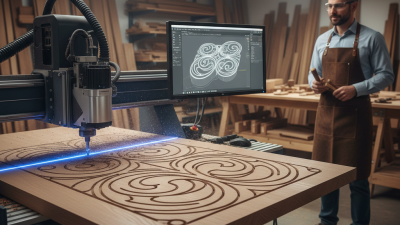
What is a Woodworking CNC Machine and How Does it Work?
-
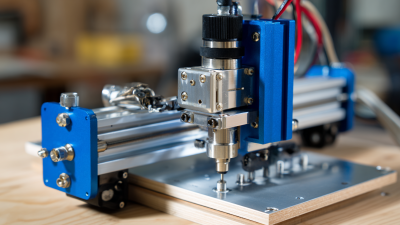
Unlocking Precision: How Small CNC Machines Revolutionize DIY Projects and Prototyping
-
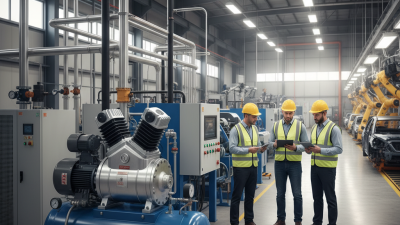
Essential Tips for Choosing the Right Rotary Screw Compressor for Your Needs
-

Top 10 Small CNC Machines for Precision Engineering in 2023