
-
-
-
-
-
-

With a customized Stiles University course, we can provide expert training for your team, on-location. Whether it's programming, operation or maintenance, we want to help you train your personnel to meet your production goals efficiently and effectively.
-

Experience the trusted workforce development training and machinery knowledge you rely on from Stiles University, now at your convenience. With technology changing every day and new methods being developed constantly, Stiles University Online has the latest information and training content available at your fingertips.
-
-
-

Do you want to produce more efficiently? Processes and flows are key. We optimize these together with you, re-organize them and make sure that you reduce your lead time and save costs. This enables you to implement customized manufacturing and achieve your business goals.
-
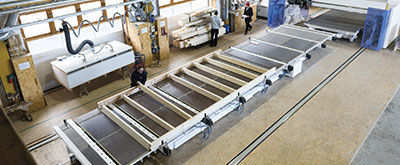
Industrialized construction is evolving. Automation, robotics and advanced technology are raising the level of productivity, efficiency and precision for builders in North America.
-
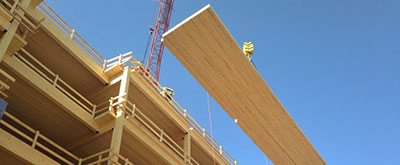
Stiles Machinery is at the forefront of providing technology and machining for producing high quality mass timber. Automated solutions for your mass timber production can increase your manufacturing quality and productivity.
-

Project management services from Stiles make it easy to streamline your entire project— from concept and consultation to integration and implementation.
-

-
-
-
-
-
-
With a customized Stiles University course, we can provide expert training for your team, on-location. Whether it's programming, operation or maintenance, we want to help you train your personnel to meet your production goals efficiently and effectively.
-
Experience the trusted workforce development training and machinery knowledge you rely on from Stiles University, now at your convenience. With technology changing every day and new methods being developed constantly, Stiles University Online has the latest information and training content available at your fingertips.
-
-
-
Do you want to produce more efficiently? Processes and flows are key. We optimize these together with you, re-organize them and make sure that you reduce your lead time and save costs. This enables you to implement customized manufacturing and achieve your business goals.
-
Industrialized construction is evolving. Automation, robotics and advanced technology are raising the level of productivity, efficiency and precision for builders in North America.
-
Stiles Machinery is at the forefront of providing technology and machining for producing high quality mass timber. Automated solutions for your mass timber production can increase your manufacturing quality and productivity.
-
Project management services from Stiles make it easy to streamline your entire project— from concept and consultation to integration and implementation.
-
What is WPC Floor Decking and Why Should You Choose It?
Wpc Floor Decking is gaining popularity in the construction and design industry. Experts recognize its advantages over traditional materials. Renowned flooring specialist Dr. Emily Hartman states, "WPC Floor Decking combines durability and aesthetic appeal, making it an ideal choice for modern spaces."
This innovative material blends wood fibers and plastic, offering a unique solution for outdoor and indoor flooring. Homeowners appreciate its resistance to moisture, making it suitable for any climate. Additionally, WPC Floor Decking eliminates the need for extensive maintenance, which is a significant benefit for busy households.
However, potential buyers should be aware that not all WPC products are created equal. Variances in quality can affect performance and longevity. It's crucial to consider these factors when making a selection. Ultimately, WPC Floor Decking can be a wise investment for those who prioritize both style and functionality.
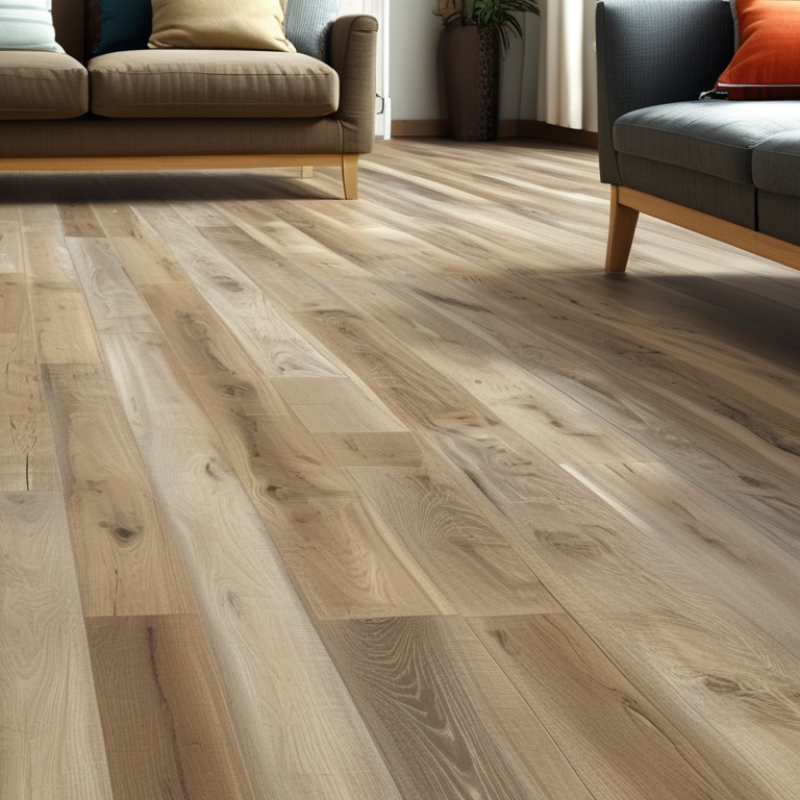
What is WPC Floor Decking?
WPC (Wood Plastic Composite) floor decking combines the best of both worlds. This innovative material is crafted from recycled wood fibers and high-quality plastics. The blend results in a deck that looks and feels like wood, yet is much more durable. It resists moisture, rotting, and insect damage, making it an excellent choice for outdoor spaces. You can enjoy a beautiful deck without the worry of constant maintenance.
WPC floor decking is available in various colors and textures. Homeowners can select styles that align with their aesthetic preferences. Installing WPC decking can be straightforward, but some may find the initial setup challenging. Proper drainage and support are crucial for longevity. Without these, you might face issues down the line.
One significant advantage of WPC is its eco-friendliness. It incorporates recycled materials, which helps reduce environmental waste. However, some might question its long-term impact on sustainability. It’s essential to consider the origin of the materials used. Overall, WPC floor decking poses an attractive option for those looking to enhance their outdoor living areas with minimal hassle.
What is WPC Floor Decking and Why Should You Choose It?
| Feature | Description | Advantages | Disadvantages |
|---|---|---|---|
| Material Composition | Wood Plastic Composite (WPC) is made from a mix of recycled wood fibers and plastic. | Eco-friendly, resistant to moisture and pests. | Can be more expensive than traditional wood. |
| Durability | WPC decking is designed to withstand harsh weather conditions. | Long lifespan with low maintenance required. | Limited color options compared to real wood. |
| Design Versatility | Available in various colors, textures, and finishes. | Can mimic the look of natural wood. | May not have the authentic feel of real wood. |
| Installation | Can be installed with standard tools; often tongue-and-groove. | Faster installation than traditional decking materials. | Some systems may require special fasteners. |
| Maintenance | Requires washing with soap and water; no staining or sealing needed. | Low maintenance compared to wood decking. | Can be susceptible to fading over time. |