
-
-
-
-
-
-

With a customized Stiles University course, we can provide expert training for your team, on-location. Whether it's programming, operation or maintenance, we want to help you train your personnel to meet your production goals efficiently and effectively.
-

Experience the trusted workforce development training and machinery knowledge you rely on from Stiles University, now at your convenience. With technology changing every day and new methods being developed constantly, Stiles University Online has the latest information and training content available at your fingertips.
-
-
-

Do you want to produce more efficiently? Processes and flows are key. We optimize these together with you, re-organize them and make sure that you reduce your lead time and save costs. This enables you to implement customized manufacturing and achieve your business goals.
-
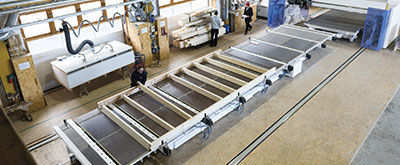
Industrialized construction is evolving. Automation, robotics and advanced technology are raising the level of productivity, efficiency and precision for builders in North America.
-
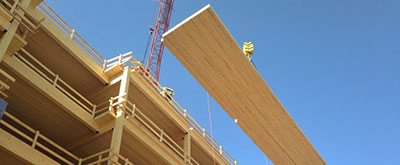
Stiles Machinery is at the forefront of providing technology and machining for producing high quality mass timber. Automated solutions for your mass timber production can increase your manufacturing quality and productivity.
-

Project management services from Stiles make it easy to streamline your entire project— from concept and consultation to integration and implementation.
-


-
-
-
-
-
-
With a customized Stiles University course, we can provide expert training for your team, on-location. Whether it's programming, operation or maintenance, we want to help you train your personnel to meet your production goals efficiently and effectively.
-
Experience the trusted workforce development training and machinery knowledge you rely on from Stiles University, now at your convenience. With technology changing every day and new methods being developed constantly, Stiles University Online has the latest information and training content available at your fingertips.
-
-
-
Do you want to produce more efficiently? Processes and flows are key. We optimize these together with you, re-organize them and make sure that you reduce your lead time and save costs. This enables you to implement customized manufacturing and achieve your business goals.
-
Industrialized construction is evolving. Automation, robotics and advanced technology are raising the level of productivity, efficiency and precision for builders in North America.
-
Stiles Machinery is at the forefront of providing technology and machining for producing high quality mass timber. Automated solutions for your mass timber production can increase your manufacturing quality and productivity.
-
Project management services from Stiles make it easy to streamline your entire project— from concept and consultation to integration and implementation.
-
What is a Woodworking CNC Machine and How Does it Work?
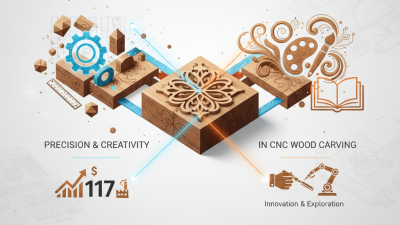
In the world of woodworking, CNC technology has revolutionized how craftsmen create intricate designs. A woodworking CNC machine combines precision and creativity. According to expert John Miller, "These machines open new doors for artisans." They allow for consistent replication of complex patterns.
The woodworking CNC machine operates using computer software. It translates designs into specific movements for cutting tools. This technology eliminates many traditional limitations. However, some may argue it can diminish the uniqueness of handmade work. In pursuit of perfection, nuances of human touch can be lost.
Yet, many artisans embrace this evolution. They find ways to blend technology with traditional skills. The balance between these methods offers exciting possibilities. As craftsmanship evolves, the woodworking CNC machine remains a crucial tool for modern woodworkers.
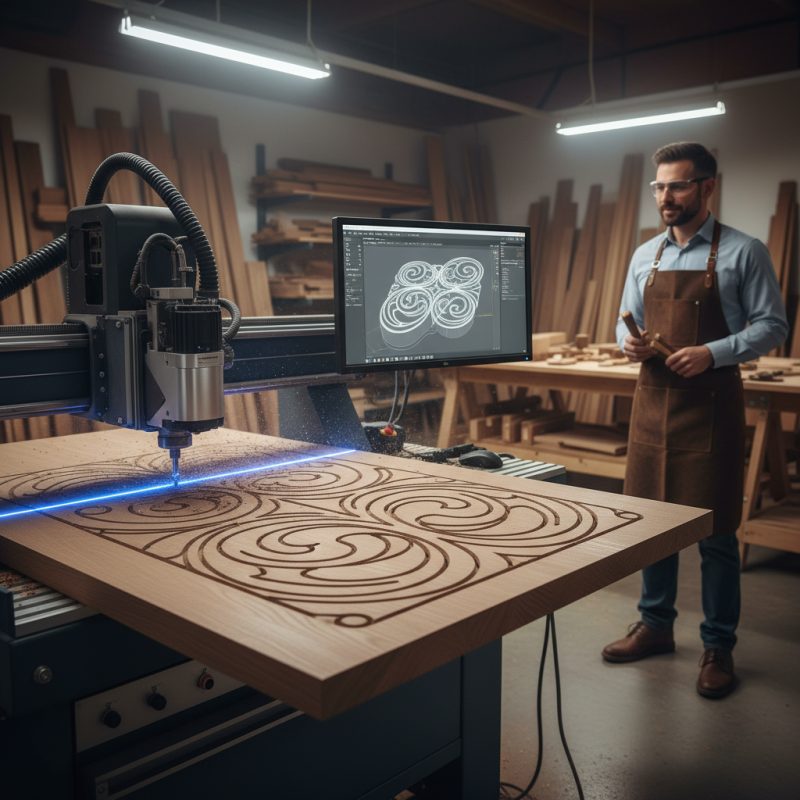
What is a CNC Machine in Woodworking?
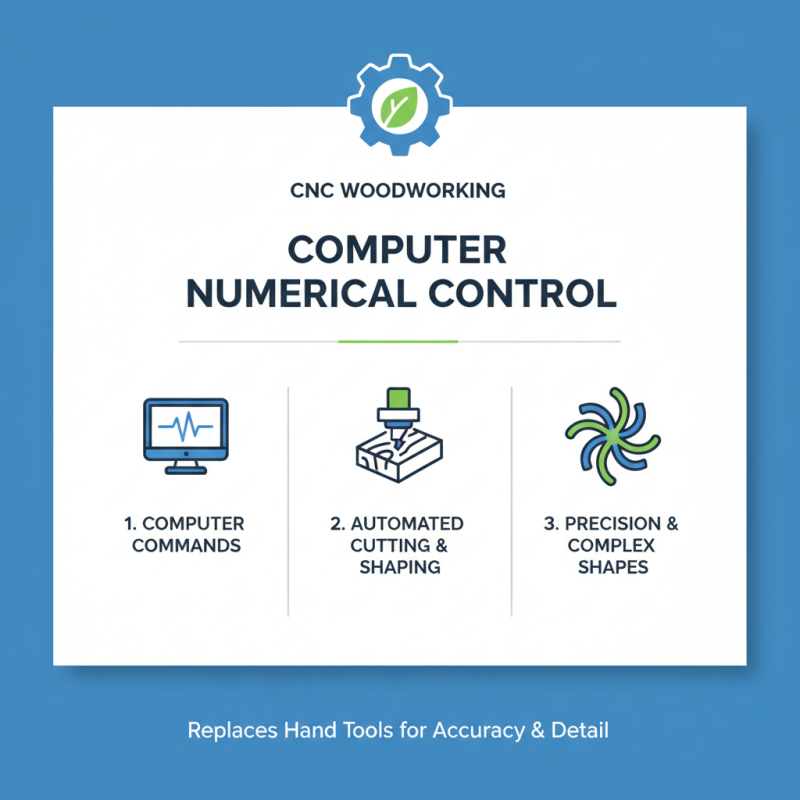
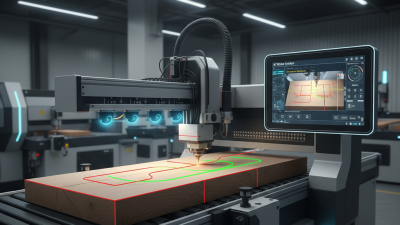
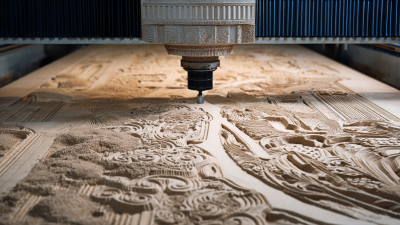
A CNC machine in woodworking stands for Computer Numerical Control. It's a tool that automates the process of cutting and shaping wood. It operates through commands from a computer. These machines can perform complex shapes with precision that hand tools cannot achieve.
When using a CNC machine, the software converts designs into specific coordinates. The machine then follows these coordinates. You can create intricate patterns or simple cuts. Each project brings challenges. Sometimes, the machine misreads the design. Always double-check your software settings.
Tips: Always ensure your wood is securely clamped. Loose material can lead to errors. Take time to set up the machine properly. Rushing can cause mistakes. After completing a project, review the output. Understand where improvements can be made. This reflection will guide your next tasks.
Related Posts
-
2026 Top Woodworking CNC Machines: Features, Benefits, and Buying Guide
-
Top 10 Benefits of Using a Wood CNC Machine for Your Projects?
-
10 Essential Tips for Maximizing Efficiency with Your CNC Mill
-
2025 Top 10 Woodworking Machinery Innovations You Can't Miss
-
2026 Best CNC Wood Carving Machine for Precision and Creativity?
-
Unlocking the Potential of Wood CNC Machines for Your Next Creative Project