
Skip to content

Why Choose Box Design Ex Motors for Global Buyers?

For global buyers, selecting an explosion-proof motor is a technical decision, not a simple price comparison. Box Design Ex Motors support operations where flammable gases, vapors, or dust may create serious ignition risks. Their enclosed construction helps protect internal components from harsh industrial conditions. However, enclosure design alone does not guarantee suitability.

Experienced buyers examine motor power, voltage, frequency, temperature class, protection rating, and installation method. They also confirm whether the motor matches pumps, compressors, conveyors, or mixing equipment. A motor running beside a chemical tank may face heat, corrosion, and frequent starts. Those details matter. Poor selection can increase downtime and maintenance costs.

Reliable manufacturers provide traceable test records, clear nameplate data, quality-control procedures, and practical technical support. Recognized certification, such as IECEx or ATEX approval, may be essential for specific markets. Requirements differ between countries and industrial zones, so buyers should verify local regulations before ordering. No motor fits every site. That is worth remembering.

The strongest choice combines certified protection with real operating experience. Buyers should request duty-cycle information, bearing details, cooling arrangements, spare-parts availability, and documented inspection results. A supplier that explains limitations is often more dependable than one promising universal performance. Box Design Ex Motors can offer durable, focused protection when their specifications match the application, environment, and regional compliance requirements. Careful review remains necessary, because reliability begins before installation.
Why Choose Box Design Ex Motors for Global Buyers?

What Are Box Design Ex Motors?

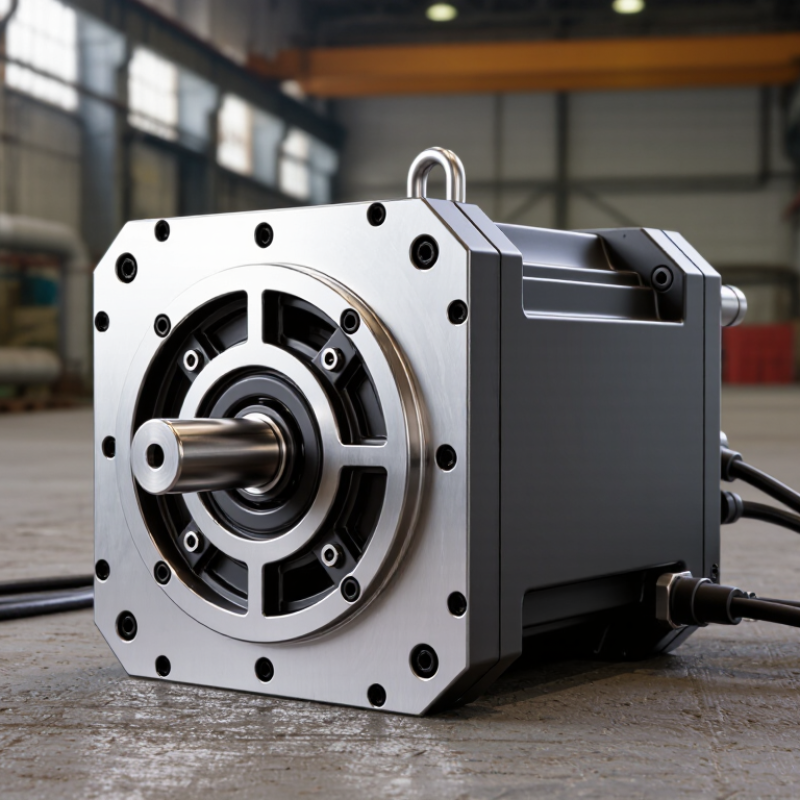
Box design Ex motors are electric motors built for hazardous industrial areas, where flammable gas, vapor, or dust may exist. “Box design” usually describes the motor’s compact enclosure and terminal-box arrangement, not a separate protection standard. The enclosure helps contain internal sparks and control surface temperature. Protection may follow concepts such as Ex d, Ex eb, or Ex t under the IEC 60079 series.

A practical example is a motor installed beside a chemical pump, with a sealed terminal box and reinforced cable entries. Selection must match the area classification, gas or dust group, temperature class, power, and cooling method. IEC 60079-0 and IEC 60079-1 provide key requirements for construction and testing. Shape alone proves little. That point is often missed.

Energy performance also matters. The U.S. Department of Energy reports that motor systems consume about 68% of industrial electricity in the United States. A correctly sized Ex motor can reduce wasted power during continuous pumping, ventilation, or compression. Buyers should review efficiency data, starting current, duty cycle, and maintenance access. A compact box design may save installation space, yet restricted airflow can increase thermal stress. I have seen specifications focus on certification while overlooking heat, cable bending space, and actual load patterns. Those details deserve a second check.

How Are Box Design Ex Motors Structured and Classified?

Box design Ex motors are built for hazardous areas where ordinary motors may ignite gas or dust. Their structure starts with a rugged enclosure, usually cast iron or engineered aluminum. Inside, the stator, rotor, bearings, cooling fan, and terminal chamber work as one protected system.

Classification depends on the hazard, not only motor power. Under the IEC 60079 series, Ex d motors use flameproof enclosures. Ex eb motors use increased safety construction. Ex t motors protect against combustible dust. Sites may also require Ex p pressurization. Gas groups include IIA, IIB, and IIC, while dust equipment may use IIIC. Temperature classes range from T1 to T6. Lower surface temperatures provide stronger protection. The nameplate should show the protection method, group, temperature class, ambient range, and certification details.

Motor selection affects operating cost. The U.S. Department of Energy’s Motor Systems Market Assessment estimates that motor systems consume about 70% of industrial electricity in the United States. The IEA also places motor-driven systems near half of global electricity demand. Efficiency matters, even in hazardous locations.

Tips: Match the motor classification to the actual gas, vapor, or dust zone. Check cable glands and terminal-box seals carefully. A small installation error can weaken the whole protection concept.

I would not choose from power ratings alone. Site temperature, starting current, altitude, maintenance access, and dust buildup can change the decision. Real plants are rarely as tidy as drawings.

Which Safety Standards Govern Their Global Use?

Why Choose Box Design Ex Motors for Global Buyers?

Box design Ex motors support safer operation in hazardous areas where dust, gas, or vapor may ignite. Their enclosed construction limits sparks, heat release, and contamination around the winding system. However, enclosure shape alone does not prove compliance. That assumption is unsafe.

Global use is governed mainly by the IEC 60079 series, which defines equipment protection, installation, inspection, and maintenance requirements. IEC 60529 also specifies ingress protection ratings, such as IP55 or IP66. Buyers must match the motor’s Ex marking with the site classification, gas or dust group, and temperature class. In Europe, ATEX requirements apply to equipment and workplaces. IECEx certification is widely used for international conformity assessment. In North America, hazardous-location installations commonly follow NFPA 70 and related certification rules. Requirements can overlap, but they are not identical.

The International Labour Organization reported 2.93 million work-related deaths and 395 million non-fatal injuries in 2023. These figures cover all industries, not only explosive environments, yet they show why documented risk control matters. A reliable purchasing file should include certificates, thermal data, cable-entry approval, installation drawings, and maintenance records. Field reviews often find missing gland details or unclear temperature limits. Small gaps matter. Buyers should also verify local authority acceptance before shipment, because certification does not automatically approve every installation. These checks take time, but replacing an unsuitable motor costs more.

Why Choose Box Design Ex Motors for Global Buyers?

Which safety standards govern their global use?

Explosion-protected motors are selected according to the hazardous-area classification, protection concept, gas or dust group, temperature class, and installation requirements defined by the applicable IEC 60079 series and its regional adoption. IEC 60529 defines the IP enclosure rating shown below; IP protection is complementary to Ex certification and does not replace it.

What Performance Benefits Do They Offer in Hazardous Areas?

Why Choose Box Design Ex Motors for Global Buyers?

In hazardous areas, motor design is not a cosmetic choice. Box design Ex motors use rugged enclosures to limit ignition risks from internal sparks or hot surfaces. Their sealed construction also helps resist dust, moisture, and corrosive process residue. This protection supports steadier operation near chemical lines, grain handling systems, and fuel-transfer equipment. Still, enclosure strength alone does not guarantee safe performance. Correct certification, temperature class, and installation practice remain essential for global buyers.

A major benefit is dependable torque under demanding loads. Properly selected motors can start pumps, fans, and conveyors without severe current instability. Efficient cooling channels help control winding temperature during long duty cycles. Lower thermal stress may extend insulation life and reduce unplanned stoppages. In practical maintenance work, this matters when access is restricted or production windows are short. Noise and vibration can also remain manageable when the motor is correctly aligned. Yet performance may fall if ambient heat, overload, or blocked ventilation is ignored. Specifications can look stronger on paper than in the plant.

Tips: Verify hazardous-area certificates for the destination market. Match the motor to load, duty cycle, gas or dust group, and ambient temperature. Keep cable entries sealed. Schedule temperature and vibration checks. Small oversights still matter.

Why Choose Box Design Ex Motors for Global Buyers? - What Performance Benefits Do They Offer in Hazardous Areas?

Performance and selection reference for enclosed explosion-protected motors used in potentially explosive gas, vapor, dust, and mist environments.

Performance Dimension Box Design Ex Motor Characteristic Benefit in Hazardous Areas Selection or Verification Point
Explosion protection Uses a certified protection concept such as flameproof enclosure “Ex db” or increased safety “Ex eb,” depending on the motor design. Helps prevent an internal ignition source from igniting the surrounding explosive atmosphere when the motor is correctly selected and installed. Confirm the complete marking, certificate, gas or dust group, temperature class, and applicable area classification.
Enclosure integrity Rigid enclosed housing with controlled joints, cable entries, terminal-box construction, and defined mechanical tolerances. Provides a consistent barrier against external contamination and supports the certified protection method during operation. Check enclosure construction, joint condition, approved cable glands, blanking elements, and maintenance requirements.
Ingress protection Common industrial protection levels include IP55, IP65, or IP66, subject to the certified motor design. Reduces the risk of harmful dust deposits and water ingress affecting insulation, bearings, terminals, or internal components. IP ratings are defined by IEC 60529; select the rating according to dust, washdown, rain, and installation conditions.
Cooling performance Totally enclosed fan-cooled designs use an external fan and cooling ribs to transfer heat without exchanging internal air with the surroundings. Limits contamination entering the motor and supports stable winding and bearing temperatures in dusty or dirty locations. Verify ambient temperature, cooling method, fan condition, airflow clearance, duty cycle, and altitude derating where applicable.
Thermal protection May include embedded winding temperature sensors, thermistors, RTDs, or certified overload protection arrangements. Helps reduce overheating risk, which is important because excessive surface temperature can become an ignition hazard. Match the motor’s temperature class with the maximum permitted surface temperature and the actual process environment.
Temperature classification Gas-area motors are assigned a temperature class such as T3 or T4 according to their maximum surface temperature. Provides a clear limit for use around gases or vapors with known ignition temperatures. For dust atmospheres, check the marked maximum surface temperature in degrees Celsius and compare it with the dust ignition data.
Environmental durability Enclosed frames and corrosion-resistant finishing can be specified for marine, coastal, chemical, or outdoor service. Improves resistance to moisture, salt, chemical exposure, and mechanical wear, helping maintain protection over the service life. Specify material, coating system, corrosion category, fastener material, and environmental exposure before ordering.
Electrical efficiency Can be supplied with high-efficiency three-phase induction motor designs, provided the Ex certification covers the configuration. Lower electrical losses can reduce operating energy consumption and motor heat generation during continuous-duty operation. Compare rated efficiency at the actual load point, not only at full load; verify compatibility with the selected hazardous-area protection.
Starting and load capability Available with defined starting current, starting torque, locked-rotor torque, and overload characteristics. Supports reliable starting of pumps, fans, compressors, conveyors, and other driven equipment without repeated thermal stress. Match torque-speed data with the driven load and confirm that the starting method or variable-speed drive is permitted by the certificate.
Variable-speed operation Some certified Ex motors may be used with variable-frequency drives when the motor, drive, cable system, and protection arrangement are approved together. Allows process control and potential energy savings while maintaining required thermal and ignition protection. Check the certificate and manufacturer’s technical file for permitted frequency range, cooling requirements, pulse characteristics, and protective settings.
Global installation compatibility Products may be certified under regional or international schemes, including IECEx or local regulatory systems, depending on the destination. Facilitates technical review, import documentation, and acceptance by inspectors or end users in different markets. Confirm the destination-country requirements, certificate validity, marking format, language, documentation, and local installation rules.
Maintenance control Certified enclosures require controlled inspection, correct replacement parts, approved fasteners, and proper reassembly. Maintains the protection level and reduces the possibility of damaged flame paths, loose terminals, or degraded seals. Follow the certificate, installation manual, and applicable IEC 60079 maintenance and repair requirements; do not machine certified flame paths.
Typical application zones Selection may cover gas Zones 1 or 2 and dust Zones 21 or 22, subject to the actual certification marking. Provides a documented basis for matching the motor with the probability and duration of an explosive atmosphere. Use the site classification, equipment category or EPL, gas or dust group, temperature class, and process data together.
Operational reliability Enclosed construction, correctly selected bearings, insulation system, cooling arrangement, and protection devices support continuous industrial duty. Helps reduce unplanned shutdowns caused by contamination, moisture, overheating, or unsuitable electrical loading. Review duty type, operating hours, load profile, starts per hour, bearing arrangement, vibration limits, and preventive-maintenance intervals.
Recommended buyer decision Choose by certification first Performance advantages are meaningful only when the motor’s protection concept and ratings match the hazardous-area conditions. Obtain the certificate, complete marking, datasheet, dimensional drawing, wiring diagram, test records, and installation instructions before purchase.

Technical note: Actual ratings, efficiency, enclosure protection, temperature class, allowable ambient temperature, zone suitability, and variable-speed capability vary by motor design and certification. Final selection should be based on the hazardous-area classification, applicable IEC or national requirements, driven-equipment data, and the official certificate and installation documentation.

How Can Global Buyers Select and Source the Right Model?

Why Choose Box Design Ex Motors for Global Buyers?

How Can Global Buyers Select and Source the Right Model?

Selecting a box design Ex motor starts with the working environment, not the catalog photo. Confirm the hazardous area classification before comparing prices. Zone, gas group, temperature class, and protection level must match the site conditions. These details affect safety, performance, and approval requirements. They also prevent expensive replacement work later.

Check the required power, voltage, frequency, speed, mounting position, and duty cycle. A motor for a 60 Hz system may not suit a 50 Hz installation. Confirm shaft size, terminal box direction, cooling method, and operating temperature. Ask for certified drawings, test records, material details, and maintenance instructions. IECEx or ATEX documentation may be relevant, but local regulations still require verification. Certification is not a universal shortcut.

Experienced buyers should request a complete technical quotation. It should show the exact model, efficiency level, bearings, cable entries, delivery terms, and spare parts. Compare the offered configuration with the approved equipment list. Small omissions can become large delays. This is where many sourcing plans fail. Sometimes the cheapest motor is not the lowest-cost choice. Freight, customs documents, inspection, and after-sales support also matter. A careful buyer should leave room for review, because specifications are occasionally copied incorrectly. That pause can protect the project.