
-
-
-
-
-
-
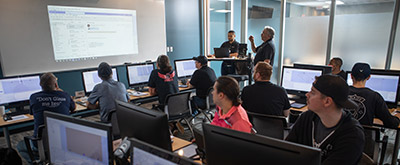
With a customized Stiles University course, we can provide expert training for your team, on-location. Whether it's programming, operation or maintenance, we want to help you train your personnel to meet your production goals efficiently and effectively.
-

Experience the trusted workforce development training and machinery knowledge you rely on from Stiles University, now at your convenience. With technology changing every day and new methods being developed constantly, Stiles University Online has the latest information and training content available at your fingertips.
-
-
-
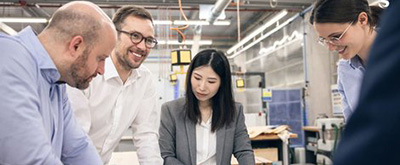
Do you want to produce more efficiently? Processes and flows are key. We optimize these together with you, re-organize them and make sure that you reduce your lead time and save costs. This enables you to implement customized manufacturing and achieve your business goals.
-
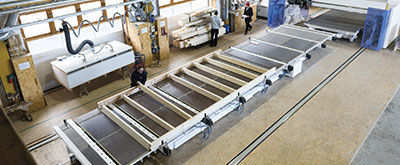
Industrialized construction is evolving. Automation, robotics and advanced technology are raising the level of productivity, efficiency and precision for builders in North America.
-
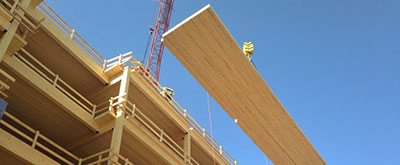
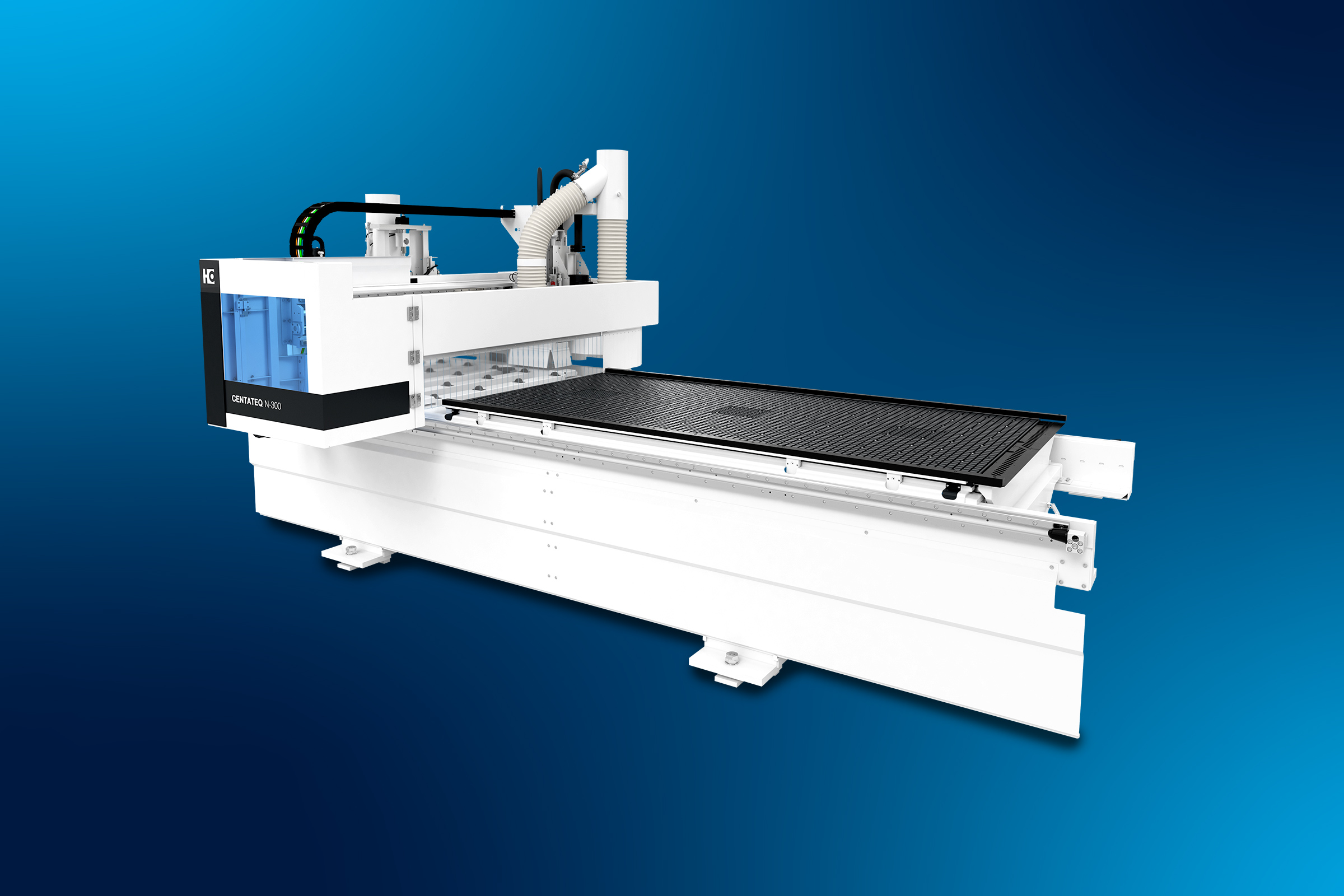
Stiles Machinery is at the forefront of providing technology and machining for producing high quality mass timber. Automated solutions for your mass timber production can increase your manufacturing quality and productivity.
-

Project management services from Stiles make it easy to streamline your entire project— from concept and consultation to integration and implementation.
-


-
-
-
-
-
-
With a customized Stiles University course, we can provide expert training for your team, on-location. Whether it's programming, operation or maintenance, we want to help you train your personnel to meet your production goals efficiently and effectively.
-
Experience the trusted workforce development training and machinery knowledge you rely on from Stiles University, now at your convenience. With technology changing every day and new methods being developed constantly, Stiles University Online has the latest information and training content available at your fingertips.
-
-
-
Do you want to produce more efficiently? Processes and flows are key. We optimize these together with you, re-organize them and make sure that you reduce your lead time and save costs. This enables you to implement customized manufacturing and achieve your business goals.
-
Industrialized construction is evolving. Automation, robotics and advanced technology are raising the level of productivity, efficiency and precision for builders in North America.
-
Stiles Machinery is at the forefront of providing technology and machining for producing high quality mass timber. Automated solutions for your mass timber production can increase your manufacturing quality and productivity.
-
Project management services from Stiles make it easy to streamline your entire project— from concept and consultation to integration and implementation.
-
What is a Wafer Roll Machine and How Does it Work?
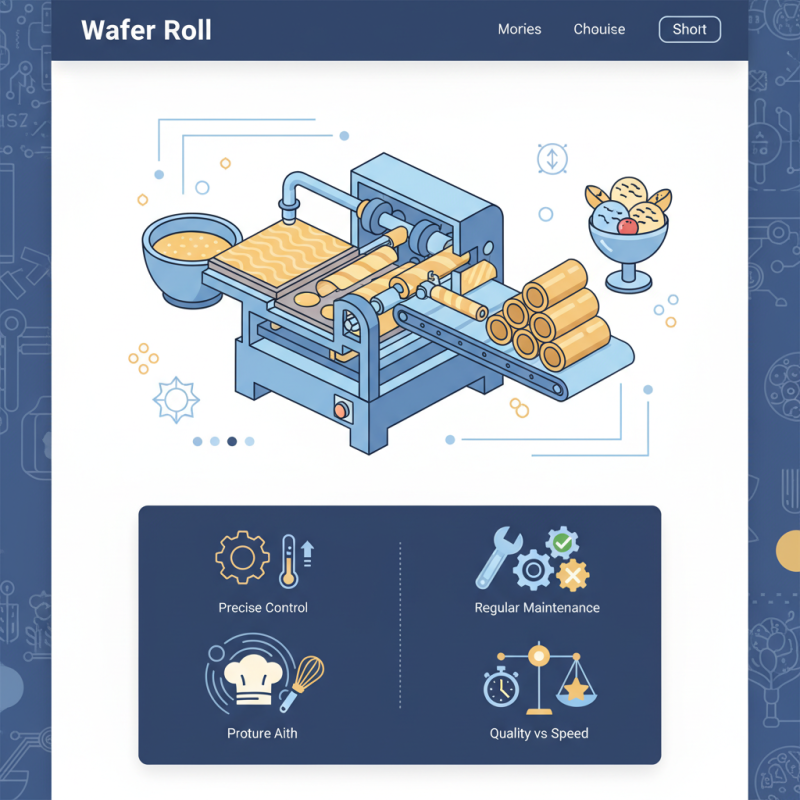
In the world of food production, the Wafer Roll Machine stands out for its unique capability. This specialized equipment creates thin, crispy rolls that are a favorite in many desserts. According to industry expert Dr. Emily Chen, "The Wafer Roll Machine revolutionizes how we think about snacks." Her insights highlight its importance in modern confectionery.
The function of a Wafer Roll Machine may seem simple, but its mechanics are intricate. It uses precise temperature control and pressure to craft perfect wafers. The process involves mixing ingredients and baking them evenly. However, achieving consistency can be challenging. Many operators face difficulties in maintaining the ideal texture and flavor.
Despite its efficiency, the Wafer Roll Machine requires regular maintenance. Neglecting this can lead to wasted ingredients and subpar products. Understanding the machine's operations is crucial for anyone in the industry. As we explore the workings of this machine, it's important to recognize both its benefits and limitations. Balancing quality and production speed remains an ongoing challenge for manufacturers.
What is a Wafer Roll Machine?
A wafer roll machine is an essential piece of equipment in the food manufacturing industry. It is designed to create thin, crispy rolls that are often filled with cream or chocolate. These wafer rolls are popular snacks enjoyed by many. A well-functioning machine ensures uniformity and consistency in each roll produced.
Typically, the machine operates by mixing ingredients such as flour, sugar, and water into a batter. This mixture is then poured onto a heated plate, where it cooks quickly. After cooking, the soft wafer is rolled around a core to form the final shape. It sounds straightforward, yet it's not always flawless. Sometimes the rolls may break or not hold their shape. Issues like temperature control or ingredient ratios can lead to unwanted results.
The quality of wafer rolls depends heavily on the machine's settings. Factors like cooking time and thickness play a crucial role. Some machines may struggle to achieve the perfect golden color. Adjustments can be necessary. Operators must carefully monitor the process to minimize mistakes. A good wafer roll machine not only produces tasty snacks but also requires constant attention to detail for optimal results.
What is a Wafer Roll Machine and How Does it Work?
| Feature | Description | Benefits |
|---|---|---|
| Machine Type | Wafer Roll Machine | Efficient wafer production |
| Operating Principle | Utilizes a heating process to create wafer sheets | High-quality wafer texture |
| Production Capacity | Up to 200 kg/hour | Scalable production for different needs |
| Material Used | Wheat flour, water, and flavorings | Versatility in product range |
| Maintenance Frequency | Monthly inspections recommended | Minimizes downtime and enhances longevity |
| Power Consumption | Approx. 10 kW | Efficient energy usage |