
-
-
-
-
-
-

With a customized Stiles University course, we can provide expert training for your team, on-location. Whether it's programming, operation or maintenance, we want to help you train your personnel to meet your production goals efficiently and effectively.
-

Experience the trusted workforce development training and machinery knowledge you rely on from Stiles University, now at your convenience. With technology changing every day and new methods being developed constantly, Stiles University Online has the latest information and training content available at your fingertips.
-
-
-

Do you want to produce more efficiently? Processes and flows are key. We optimize these together with you, re-organize them and make sure that you reduce your lead time and save costs. This enables you to implement customized manufacturing and achieve your business goals.
-

Industrialized construction is evolving. Automation, robotics and advanced technology are raising the level of productivity, efficiency and precision for builders in North America.
-

Stiles Machinery is at the forefront of providing technology and machining for producing high quality mass timber. Automated solutions for your mass timber production can increase your manufacturing quality and productivity.
-

Project management services from Stiles make it easy to streamline your entire project— from concept and consultation to integration and implementation.
-



-
-
-
-
-
-
With a customized Stiles University course, we can provide expert training for your team, on-location. Whether it's programming, operation or maintenance, we want to help you train your personnel to meet your production goals efficiently and effectively.
-
Experience the trusted workforce development training and machinery knowledge you rely on from Stiles University, now at your convenience. With technology changing every day and new methods being developed constantly, Stiles University Online has the latest information and training content available at your fingertips.
-
-
-
Do you want to produce more efficiently? Processes and flows are key. We optimize these together with you, re-organize them and make sure that you reduce your lead time and save costs. This enables you to implement customized manufacturing and achieve your business goals.
-
Industrialized construction is evolving. Automation, robotics and advanced technology are raising the level of productivity, efficiency and precision for builders in North America.
-
Stiles Machinery is at the forefront of providing technology and machining for producing high quality mass timber. Automated solutions for your mass timber production can increase your manufacturing quality and productivity.
-
Project management services from Stiles make it easy to streamline your entire project— from concept and consultation to integration and implementation.
-
2026 How to Use Wood CNC Machines for Perfect Craftsmanship?
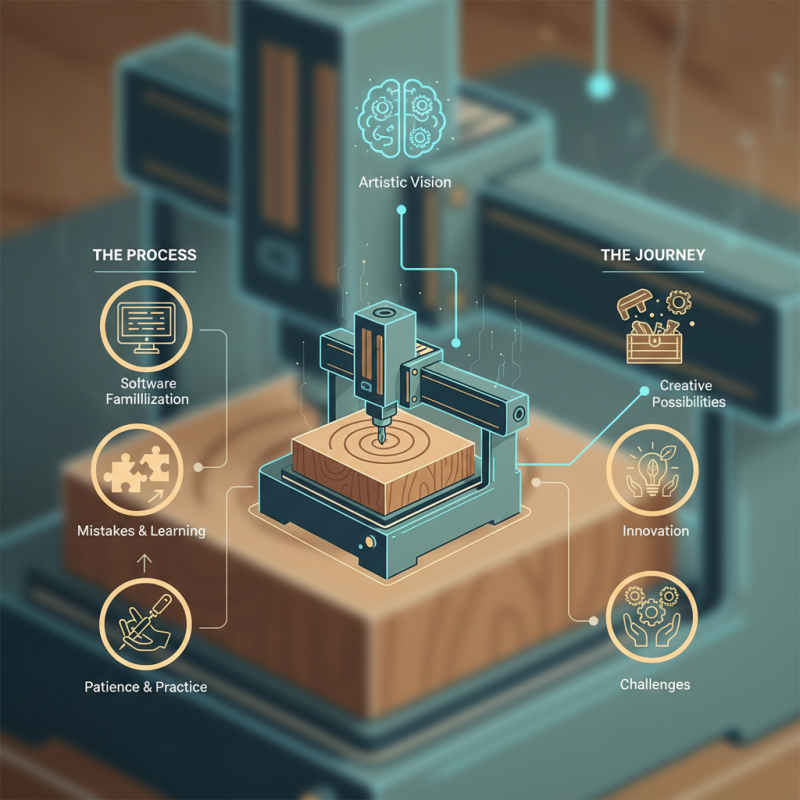
In the world of craftsmanship, precision matters. Wood CNC machines offer an opportunity to achieve perfect details. These tools can transform your artistic visions into reality. However, using wood CNC is not without its challenges.
The process can be daunting at first. Familiarizing yourself with the machine's software is essential. Mistakes can happen, and even small errors can lead to significant setbacks. Learning from these missteps can lead to improvement.
Creating beautiful wooden pieces requires patience and practice. Each project is a chance to refine your skills. Remember, even seasoned craftsmen encounter issues. Embracing these challenges can lead to greater artistry and innovation. By mastering wood CNC technology, you unlock new creative possibilities.
Understanding Wood CNC Machines: Basics and Terminology
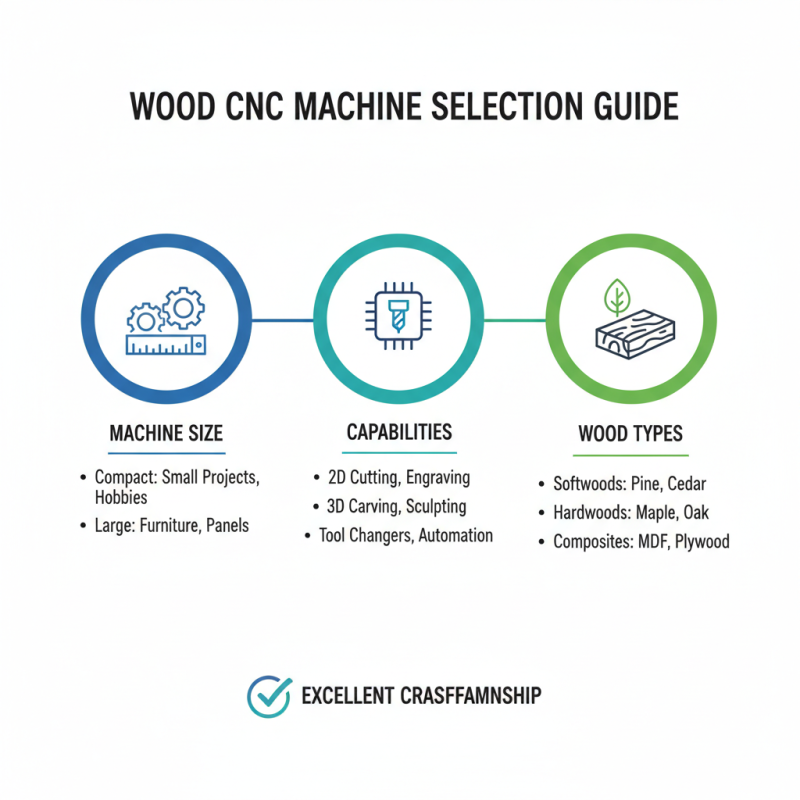
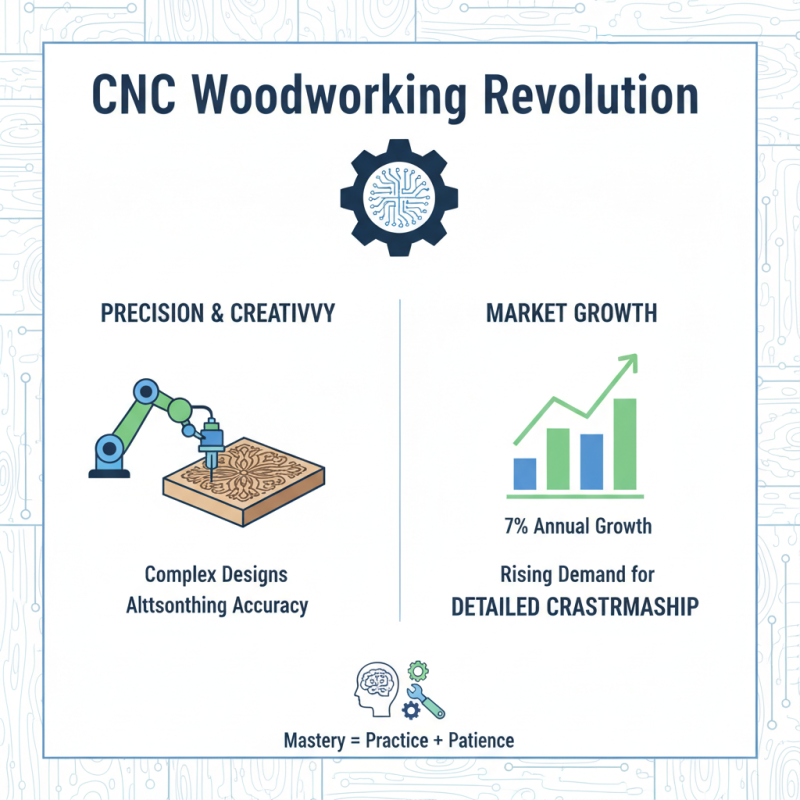
Understanding wood CNC machines starts with grasping key terminology and concepts. CNC stands for Computer Numerical Control. These machines automate the manufacturing process, making it efficient. Wood CNC machines can precisely cut, carve, and engrave various wood types. According to a recent industry report, the demand for CNC machinery has grown at a rate of 13% annually. This reflects an increasing reliance on technology in woodworking.
Operators often encounter challenges. For example, selecting the right feed rate can be tricky. Too fast a speed may lead to rough cuts or even tool breakage. Conversely, a slow rate might cause excessive wear on the tools. Awareness of these variables is crucial. Additionally, understanding different types of bits and their uses is vital. Incorrect bit selection can ruin a project, requiring additional time for repairs. Miscommunication about project dimensions can lead to expensive mistakes, underscoring the need for clarity.
As one delves deeper into CNC woodworking, continual learning is essential. The technology evolves rapidly, and staying updated on best practices enhances craftsmanship. Operators must reflect on previous projects for improvement. Mistakes, while frustrating, are learning opportunities in mastering wood CNC technology.
Related Posts
-

The Ultimate Guide to Choosing the Perfect Sanding Machine for Your DIY Projects
-
Exploring the Amazing World of CNC Routers for DIY Enthusiasts
-
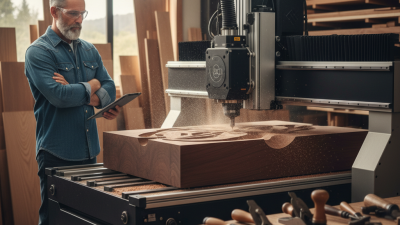
2026 Top Woodworking CNC Machines: Features, Benefits, and Buying Guide
-

The Future of Manufacturing How CNC Machining Parts Revolutionize Production Processes
-
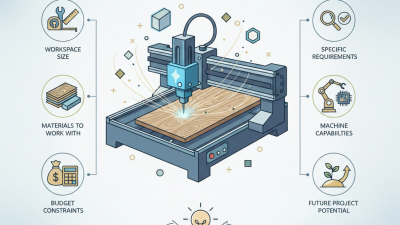
10 Essential Tips for Choosing the Right CNC Router for Your Projects
-

Why You Should Consider a CNC Router for Your Next Project