
-
-
-
-
-
-

With a customized Stiles University course, we can provide expert training for your team, on-location. Whether it's programming, operation or maintenance, we want to help you train your personnel to meet your production goals efficiently and effectively.
-

Experience the trusted workforce development training and machinery knowledge you rely on from Stiles University, now at your convenience. With technology changing every day and new methods being developed constantly, Stiles University Online has the latest information and training content available at your fingertips.
-
-
-

Do you want to produce more efficiently? Processes and flows are key. We optimize these together with you, re-organize them and make sure that you reduce your lead time and save costs. This enables you to implement customized manufacturing and achieve your business goals.
-

Industrialized construction is evolving. Automation, robotics and advanced technology are raising the level of productivity, efficiency and precision for builders in North America.
-

Stiles Machinery is at the forefront of providing technology and machining for producing high quality mass timber. Automated solutions for your mass timber production can increase your manufacturing quality and productivity.
-

Project management services from Stiles make it easy to streamline your entire project— from concept and consultation to integration and implementation.
-



-
-
-
-
-
-
With a customized Stiles University course, we can provide expert training for your team, on-location. Whether it's programming, operation or maintenance, we want to help you train your personnel to meet your production goals efficiently and effectively.
-
Experience the trusted workforce development training and machinery knowledge you rely on from Stiles University, now at your convenience. With technology changing every day and new methods being developed constantly, Stiles University Online has the latest information and training content available at your fingertips.
-
-
-
Do you want to produce more efficiently? Processes and flows are key. We optimize these together with you, re-organize them and make sure that you reduce your lead time and save costs. This enables you to implement customized manufacturing and achieve your business goals.
-
Industrialized construction is evolving. Automation, robotics and advanced technology are raising the level of productivity, efficiency and precision for builders in North America.
-
Stiles Machinery is at the forefront of providing technology and machining for producing high quality mass timber. Automated solutions for your mass timber production can increase your manufacturing quality and productivity.
-
Project management services from Stiles make it easy to streamline your entire project— from concept and consultation to integration and implementation.
-
Top 5 Tips for Choosing the Right PCB Fuse Box?
Choosing the right Pcb Fuse Box requires careful consideration. In an industry where precision is key, expert insights matter. According to John Smith, a renowned electrical engineer, "The right PCB fuse box can safeguard your entire system." His experience highlights the importance of selecting the right components.
When evaluating PCB fuse boxes, pay attention to specifications and quality. Many options on the market may look appealing but fail under pressure. It's not just about the size or design; the performance and reliability should be paramount. Foster a mindset of critical thinking. Question the durability of materials and the rating of the fuses.
The right choice can avoid costly failures down the line. A well-selected PCB fuse box protects sensitive circuits effectively. Understanding the nuances in different products will lead to better outcomes. Always remember, this choice can have lasting impacts on your projects.
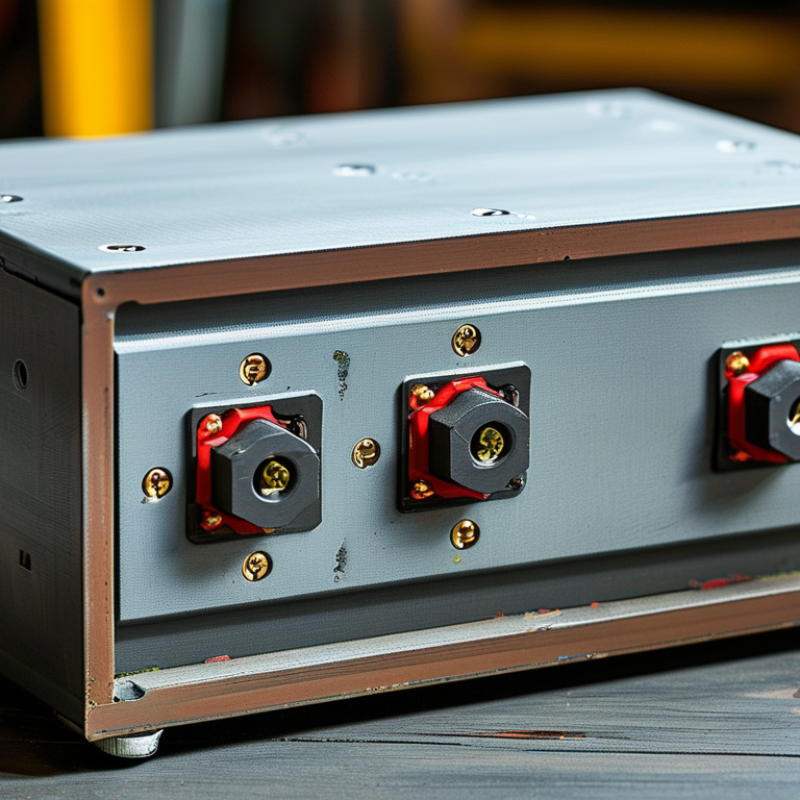
Understanding PCB Fuse Box Functionality and Importance
When choosing a PCB fuse box, understanding its functionality and importance is crucial. A PCB fuse box protects electronic circuits by preventing overloads and short circuits. This safety feature is essential for ensuring the longevity of devices. According to a report from the International Electrotechnical Commission, 30% of electronic failures relate to inadequate protection in circuit design.
When selecting a fuse box, you should consider the fuse’s rating. Ensure it matches your circuit requirements. Mismatched ratings can lead to inadequate protection or nuisance blowing.
Another factor is the fuse box's construction material. High-quality materials enhance reliability. For instance, polycarbonate offers excellent thermal stability, reducing the risk of failure.
Familiarizing yourself with the application environment is also important. If you expect high humidity or heat, choose a fuse box rated for those conditions.
The market shows a growing trend in the use of modular designs. These allow for easy upgrades and replacements, saving time and costs. A study by the Electronics Industry Association indicates that modular systems improve maintenance efficiency by up to 25%.
As you evaluate your options, always question if you are getting the best fit. No solution is perfect; each choice has trade-offs. Prioritizing your specific needs is vital in this decision-making process.
Top 5 Tips for Choosing the Right PCB Fuse Box
| Tip Number | Tip Description | Key Considerations |
|---|---|---|
| 1 | Understand the Usage Requirements | Consider the current and voltage specifications to match the application. |
| 2 | Assess Environmental Factors | Evaluate factors such as temperature, humidity, and exposure to chemicals. |
| 3 | Look for Compact Design | Choose a fuse box design that maximizes space utilization in your PCB. |
| 4 | Check the Certification Standards | Ensure that the fuse box complies with relevant industry standards for safety. |
| 5 | Evaluate Ease of Installation | Choose a fuse box that offers straightforward connections and usability. |