For support and service of your machinery, Stiles has experts available 24/7 to help reduce downtime and get you back in action.
Technical Support: 616-698-6615
Service & Repairs: 616-698-7500
24/7 Parts: 1-800-727-8780
sale@inlandmachineokc.com
Parts are available from Stiles 24 hours a day, seven days a week, and are shipped from our Grand Rapids, Michigan fulfillment center.
24/7 Parts: 800-727-8780

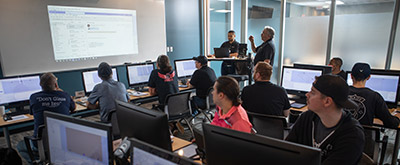
With a customized Stiles University course, we can provide expert training for your team, on-location. Whether it's programming, operation or maintenance, we want to help you train your personnel to meet your production goals efficiently and effectively.

Experience the trusted workforce development training and machinery knowledge you rely on from Stiles University, now at your convenience. With technology changing every day and new methods being developed constantly, Stiles University Online has the latest information and training content available at your fingertips.
616-698-7500

Do you want to produce more efficiently? Processes and flows are key. We optimize these together with you, re-organize them and make sure that you reduce your lead time and save costs. This enables you to implement customized manufacturing and achieve your business goals.

Industrialized construction is evolving. Automation, robotics and advanced technology are raising the level of productivity, efficiency and precision for builders in North America.

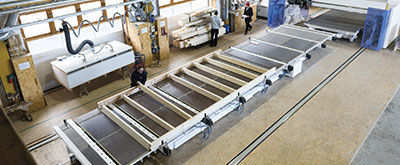
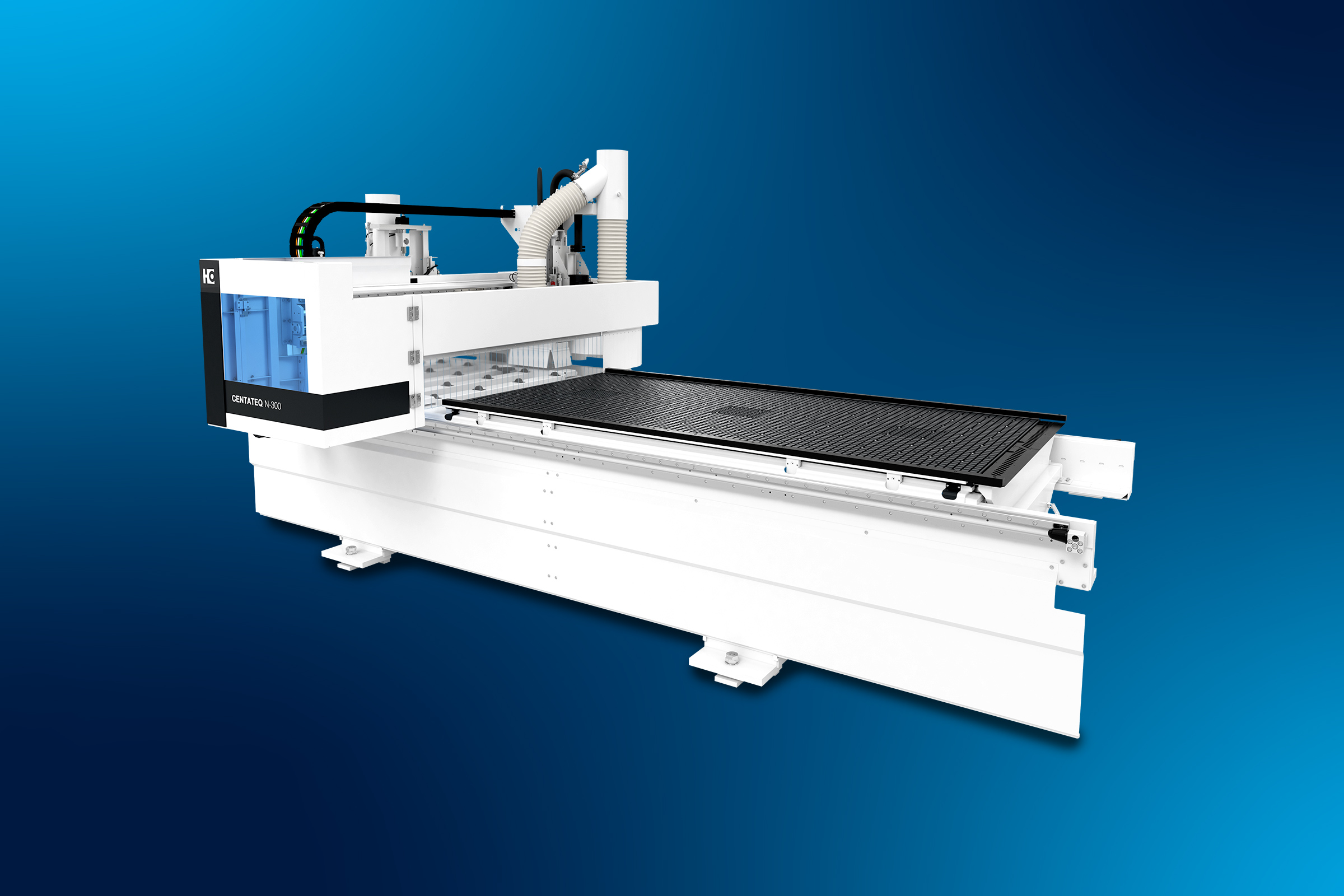
Stiles Machinery is at the forefront of providing technology and machining for producing high quality mass timber. Automated solutions for your mass timber production can increase your manufacturing quality and productivity.

Project management services from Stiles make it easy to streamline your entire project— from concept and consultation to integration and implementation.
For support and service of your machinery, Stiles has experts available 24/7 to help reduce downtime and get you back in action.
Technical Support: 616-698-6615
Service & Repairs: 616-698-7500
24/7 Parts: 1-800-727-8780
sale@inlandmachineokc.com
Parts are available from Stiles 24 hours a day, seven days a week, and are shipped from our Grand Rapids, Michigan fulfillment center.
24/7 Parts: 800-727-8780

With a customized Stiles University course, we can provide expert training for your team, on-location. Whether it's programming, operation or maintenance, we want to help you train your personnel to meet your production goals efficiently and effectively.

Experience the trusted workforce development training and machinery knowledge you rely on from Stiles University, now at your convenience. With technology changing every day and new methods being developed constantly, Stiles University Online has the latest information and training content available at your fingertips.
616-698-7500

Do you want to produce more efficiently? Processes and flows are key. We optimize these together with you, re-organize them and make sure that you reduce your lead time and save costs. This enables you to implement customized manufacturing and achieve your business goals.

Industrialized construction is evolving. Automation, robotics and advanced technology are raising the level of productivity, efficiency and precision for builders in North America.

Stiles Machinery is at the forefront of providing technology and machining for producing high quality mass timber. Automated solutions for your mass timber production can increase your manufacturing quality and productivity.

Project management services from Stiles make it easy to streamline your entire project— from concept and consultation to integration and implementation.
For support and service of your machinery, Stiles has experts available 24/7 to help reduce downtime and get you back in action.
Technical Support: 616-698-6615 Service & Repairs: 616-698-7500 24/7 Parts: 1-800-727-8780
Parts are available from Stiles 24 hours a day, seven days a week, and are shipped from our Grand Rapids, Michigan fulfillment center.
24/7 Parts: 800-727-8780For support and service of your machinery, Stiles has experts available 24/7 to help reduce downtime and get you back in action.
Technical Support: 616-698-6615 Service & Repairs: 616-698-7500 24/7 Parts: 1-800-727-8780
Parts are available from Stiles 24 hours a day, seven days a week, and are shipped from our Grand Rapids, Michigan fulfillment center.
24/7 Parts: 800-727-8780In the realm of temperature measurement, Thermopile Sensors have gained significant attention. Renowned expert Dr. Emily Carter once stated, “Thermopile sensors provide a reliable way to measure temperature without direct contact.” This highlights their unique ability to capture data efficiently. The growing demand for precise thermal readings has led to advancements in thermopile technology.
Thermopile sensors utilize multiple thermocouples to convert thermal energy into an electrical signal. This makes them ideal for various applications, including HVAC systems, medical devices, and automotive industries. The balance between accuracy and cost-effectiveness makes them appealing for many businesses.
However, selecting the right thermopile sensor can be challenging. Various factors come into play, like sensitivity, response time, and environmental conditions. It's essential to consider not just the specifications, but also real-world applications. Users should reflect on their specific needs. Finding the right sensor can be a journey, but understanding the options available can lead to informed decisions.
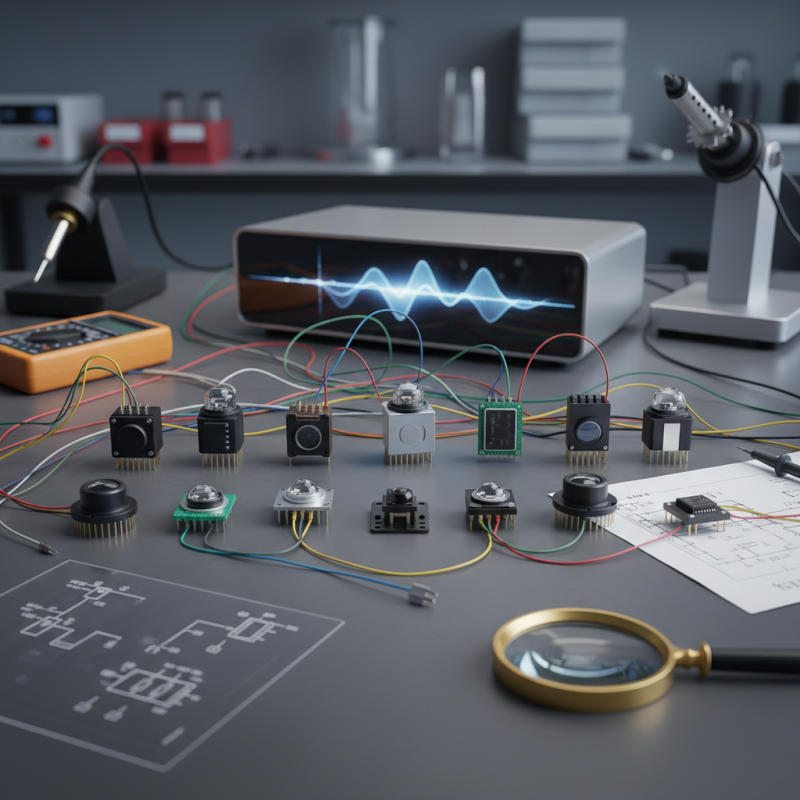
When selecting thermopile sensors, accuracy is crucial. Look for sensors with a high sensitivity. This ensures they can detect minimal temperature changes. The resolution of the sensor also matters. Higher resolution allows for more precise readings.
Another important feature is response time. A quick response is vital for applications requiring real-time data. Consider the thermal time constant of the sensor. Shorter thermal time constants lead to faster responses.
Tips: Always check the calibration data of the sensors. This helps ensure reliable measurements. Be cautious of environmental factors. Disturbances can affect performance and accuracy. Additionally, assess the mounting options. Proper installation can significantly influence sensor efficiency.
Thermopile sensors are essential for accurate temperature measurements in various applications. When choosing the right sensor, sensitivity is a crucial factor. Higher sensitivity allows the sensor to detect smaller temperature changes. This is especially important in precision measurements where slightest variations can impact results. However, sensitivity shouldn't be the only consideration.
The temperature range of a thermopile sensor defines its operational limits. Different sensors handle different ranges. Some may work well in extreme conditions, while others are designed for milder environments. Always check the specifications to ensure the sensor meets your needs.
Response time is another vital specification. Faster response times mean quicker readings, which is essential in dynamic environments. However, sensors with fast response times may sacrifice stability. It's important to balance these factors based on your application. Each choice has its pros and cons, so careful thought is essential before making a decision. Exploring multiple options could yield the ideal fit for your specific requirements.
When it comes to temperature measurement, thermopile sensors are a popular choice. These devices utilize multiple thermocouples connected in series. They can detect a wide range of temperatures without contact. This makes them ideal for various applications, from industrial uses to consumer electronics.
In the market, several brands stand out. Each offers unique features and specifications. Some sensors are designed for high sensitivity, enabling precise readings. Others prioritize rapid response times, crucial in dynamic environments. However, not all products live up to the claims made in their specifications. Users often find discrepancies in performance under different conditions.
Selecting the right thermopile sensor requires careful consideration. Look closely at the listed sensitivity and response times. Real-world testing often reveals performance that diverges from published data. This calls for a thorough examination before making a choice. Understanding the application needs is essential to avoid costly mistakes. Exploring various options helps to uncover the right fit for specific requirements.
Thermopile sensors play a crucial role in various industrial and consumer devices. These sensors measure temperature by converting thermal energy into voltage. Their efficiency makes them ideal for applications where precise temperature monitoring is essential. In industrial settings, thermopile sensors are widely used in HVAC systems for monitoring air temperature. They help maintain optimal conditions, ensuring energy efficiency and comfort.
In consumer devices, thermopile sensors are increasingly popular. Many modern infrared thermometers utilize these sensors for their accuracy. They provide quick readings without direct contact, making them ideal for health monitoring during flu seasons. Additionally, in appliances like ovens and refrigerators, these sensors help regulate temperature effectively.
However, not all applications may benefit equally from thermopile sensors. For instance, in environments with rapid temperature changes, the response time may be slower than desired.
Users must also consider calibration needs. Regular checks can ensure the sensors maintain their accuracy. While thermopile sensors are reliable, potential limitations exist. Understanding these factors can guide better implementation in various applications. Balancing their strengths with possible weaknesses is key.
Thermopile sensors have gained significant traction in various industries due to their reliability and precision. These sensors utilize an array of thermocouples to convert temperature differences into electrical signals. Recent advancements feature miniaturization and integration with smart technologies, enhancing their applications in IoT devices. This shift allows for real-time temperature monitoring in places that were once difficult to assess.
Moreover, the push for energy efficiency has led to innovations in sensing materials. Nanostructured materials are showing promise, enabling greater sensitivity and rapid response times. As industries strive for sustainability, these developments are critical. However, challenges remain. Designing sensors that balance performance and cost is an ongoing conversation among engineers and scientists. Making sure new technologies are accessible while maintaining accuracy is delicate.
Finally, the emergence of wireless thermopile sensors marks a significant milestone. They promise easier installation and greater flexibility. Still, there is room for improvement in battery life and data transmission reliability. As the demand for accurate temperature measurement grows, continuous innovation and thoughtful design will shape the future landscape of thermopile technology.
| Sensor Model | Temperature Range (°C) | Response Time (ms) | Sensitivity (V/°C) | Applications |
|---|---|---|---|---|
| Model A | -40 to 125 | 50 | 10 | HVAC, Consumer Electronics |
| Model B | 0 to 150 | 40 | 9 | Industrial Monitoring |
| Model C | -20 to 100 | 80 | 5 | Medical Devices |
| Model D | -30 to 200 | 60 | 15 | Automotive |
| Model E | -10 to 120 | 70 | 8 | Aerospace Applications |
| Model F | -40 to 125 | 30 | 12 | Smart Home |
| Model G | -20 to 150 | 90 | 7 | Renewable Energy |
| Model H | -30 to 160 | 50 | 6 | Food Processing |
| Model I | -40 to 200 | 65 | 11 | Telecommunications |
| Model J | -20 to 140 | 75 | 9 | Pharmaceuticals |