
-
-
-
-
-
-

With a customized Stiles University course, we can provide expert training for your team, on-location. Whether it's programming, operation or maintenance, we want to help you train your personnel to meet your production goals efficiently and effectively.
-

Experience the trusted workforce development training and machinery knowledge you rely on from Stiles University, now at your convenience. With technology changing every day and new methods being developed constantly, Stiles University Online has the latest information and training content available at your fingertips.
-
-
-

Do you want to produce more efficiently? Processes and flows are key. We optimize these together with you, re-organize them and make sure that you reduce your lead time and save costs. This enables you to implement customized manufacturing and achieve your business goals.
-

Industrialized construction is evolving. Automation, robotics and advanced technology are raising the level of productivity, efficiency and precision for builders in North America.
-

Stiles Machinery is at the forefront of providing technology and machining for producing high quality mass timber. Automated solutions for your mass timber production can increase your manufacturing quality and productivity.
-

Project management services from Stiles make it easy to streamline your entire project— from concept and consultation to integration and implementation.
-



-
-
-
-
-
-
With a customized Stiles University course, we can provide expert training for your team, on-location. Whether it's programming, operation or maintenance, we want to help you train your personnel to meet your production goals efficiently and effectively.
-
Experience the trusted workforce development training and machinery knowledge you rely on from Stiles University, now at your convenience. With technology changing every day and new methods being developed constantly, Stiles University Online has the latest information and training content available at your fingertips.
-
-
-
Do you want to produce more efficiently? Processes and flows are key. We optimize these together with you, re-organize them and make sure that you reduce your lead time and save costs. This enables you to implement customized manufacturing and achieve your business goals.
-
Industrialized construction is evolving. Automation, robotics and advanced technology are raising the level of productivity, efficiency and precision for builders in North America.
-
Stiles Machinery is at the forefront of providing technology and machining for producing high quality mass timber. Automated solutions for your mass timber production can increase your manufacturing quality and productivity.
-
Project management services from Stiles make it easy to streamline your entire project— from concept and consultation to integration and implementation.
-
Top 10 Plaster Saws for Accurate Cutting Techniques?
In the world of construction, precision is key. The right tools can significantly impact the quality of work. According to a recent report by the Construction Industry Institute, nearly 25% of project delays stem from inaccurate cutting tools. This underlines the importance of selecting high-quality Plaster Saws.
John Smith, a leading expert in plaster cutting techniques, states, "A reliable plaster saw can transform the cutting experience." His insights highlight the necessity of accuracy and efficiency in plaster work. A good plaster saw not only enhances performance but also reduces waste.
Choosing the top plaster saw requires careful consideration. Factors like blade type, ergonomics, and durability matter. However, many misconceptions exist. Not all saws meet the professional’s standards. This raises questions about quality and effectiveness in the industry. Understanding these tools’ nuances can lead to better choices and ultimately, better results in plaster use.
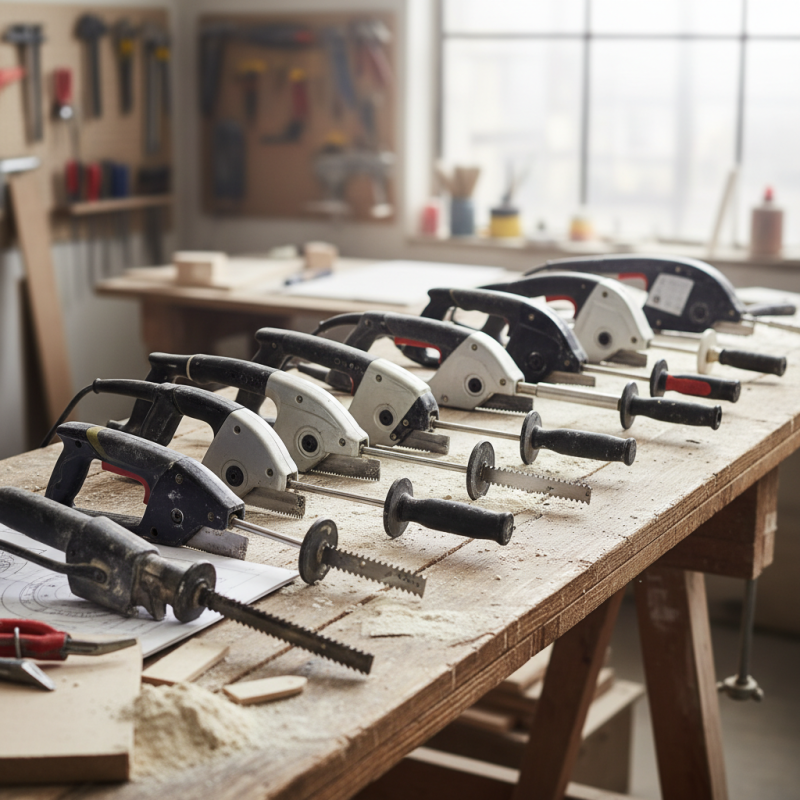
Overview of Plaster Saws and Their Importance in Construction
Plaster saws play a crucial role in construction. These tools allow for precise cutting of plasterboard and other materials. Their design typically includes a serrated blade, which enhances accuracy. When cutting plaster, any slip can lead to damage. This makes the choice of saw essential for successful projects.
Inadequate saws can result in rough edges. Rough edges lead to poor finishes and wasted materials. Choosing the right plaster saw can save time and reduce frustration. Factors such as blade size, ergonomic design, and weight influence performance. Workers often face challenges in finding a balance between comfort and efficiency.
Training and practice are key. Many workers underestimate the skill needed for accurate cuts. Regular use of plaster saws helps improve technique. However, mistakes are common in the initial stages. Each error teaches valuable lessons about precision and control. Emphasizing the importance of practice can lead to better results over time.