
-
-
-
-
-
-

With a customized Stiles University course, we can provide expert training for your team, on-location. Whether it's programming, operation or maintenance, we want to help you train your personnel to meet your production goals efficiently and effectively.
-

Experience the trusted workforce development training and machinery knowledge you rely on from Stiles University, now at your convenience. With technology changing every day and new methods being developed constantly, Stiles University Online has the latest information and training content available at your fingertips.
-
-
-

Do you want to produce more efficiently? Processes and flows are key. We optimize these together with you, re-organize them and make sure that you reduce your lead time and save costs. This enables you to implement customized manufacturing and achieve your business goals.
-

Industrialized construction is evolving. Automation, robotics and advanced technology are raising the level of productivity, efficiency and precision for builders in North America.
-

Stiles Machinery is at the forefront of providing technology and machining for producing high quality mass timber. Automated solutions for your mass timber production can increase your manufacturing quality and productivity.
-

Project management services from Stiles make it easy to streamline your entire project— from concept and consultation to integration and implementation.
-



-
-
-
-
-
-
With a customized Stiles University course, we can provide expert training for your team, on-location. Whether it's programming, operation or maintenance, we want to help you train your personnel to meet your production goals efficiently and effectively.
-
Experience the trusted workforce development training and machinery knowledge you rely on from Stiles University, now at your convenience. With technology changing every day and new methods being developed constantly, Stiles University Online has the latest information and training content available at your fingertips.
-
-
-
Do you want to produce more efficiently? Processes and flows are key. We optimize these together with you, re-organize them and make sure that you reduce your lead time and save costs. This enables you to implement customized manufacturing and achieve your business goals.
-
Industrialized construction is evolving. Automation, robotics and advanced technology are raising the level of productivity, efficiency and precision for builders in North America.
-
Stiles Machinery is at the forefront of providing technology and machining for producing high quality mass timber. Automated solutions for your mass timber production can increase your manufacturing quality and productivity.
-
Project management services from Stiles make it easy to streamline your entire project— from concept and consultation to integration and implementation.
-
What Are the Top Oil and Gas Valve Types?
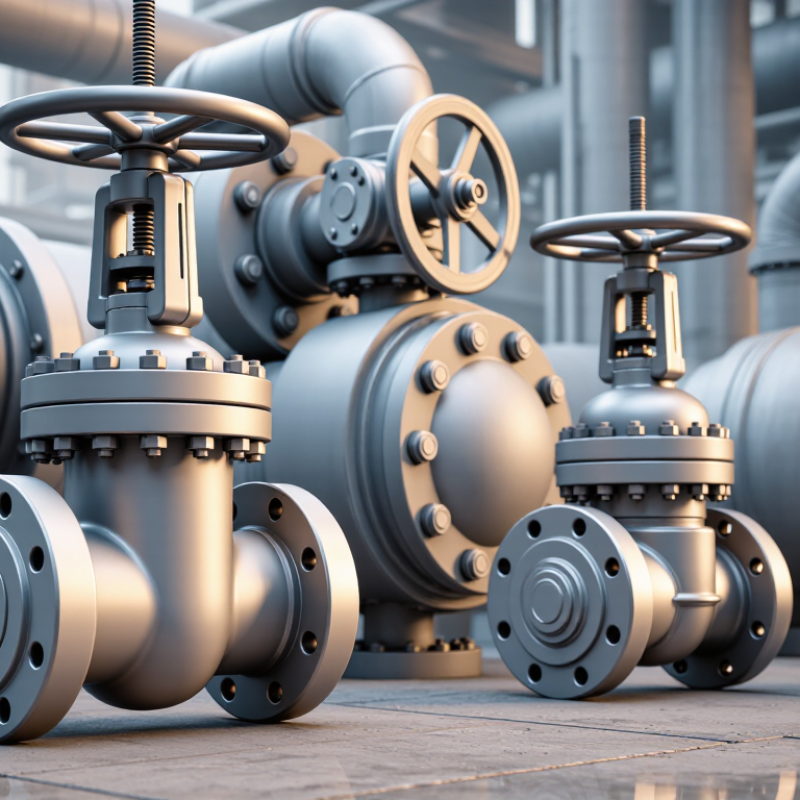
Selecting the right Oil And Gas Valve begins with understanding the process, not memorizing a product list. Pipelines, refineries, offshore platforms, and storage terminals each impose different demands. Pressure, temperature, fluid composition, flow direction, and maintenance access all influence the final choice. A gate valve may provide low resistance during full-open pipeline service. A globe valve can offer more precise throttling. Ball valves often deliver fast, tight shutoff in critical isolation points.
Small details matter.
A check valve can prevent reverse flow when a pump stops suddenly. A butterfly valve may reduce weight and installation space on large-diameter lines. Plug valves remain useful where reliable isolation and challenging fluids require careful design. However, no valve type is automatically correct. Seal materials, fire-safe construction, fugitive-emission control, corrosion resistance, and actuator selection must match operating conditions. Relevant API, ASME, ISO, and project specifications should guide verification, while qualified engineers should review the complete system.
Field experience also exposes an uncomfortable truth: catalog ratings do not replace site knowledge. A valve that performs well in clean service may struggle with sand, wax, hydrogen sulfide, or repeated thermal cycling. Installation errors can damage even a well-designed valve. This guide compares the leading valve types, their operating strengths, limitations, and common applications. It also questions where simplified recommendations fail, helping readers make safer, more defensible decisions. Performance should be confirmed through documented testing, inspection records, and manufacturer data before commissioning.
Valve Functions Across Oil and Gas Operations
What Are the Top Oil and Gas Valve Types?
Valve Functions Across Oil and Gas Operations
Oil and gas valves control isolation, flow direction, pressure, and emergency shutdowns. Their roles change across upstream, midstream, and downstream facilities. Gate valves provide full-bore isolation around wellheads, separators, and pipelines. Ball valves support rapid shutoff, especially where leakage prevention matters. Globe valves regulate flow more precisely, but they create greater pressure loss. Check valves stop reverse flow in pumps, compressors, and export lines. Butterfly valves suit large-diameter systems because they are compact and relatively lightweight.
Control valves adjust pressure, temperature, or flow continuously. In a processing unit, one valve may protect a distillation column from unstable pressure. Another may manage gas entering a compressor. These choices affect safety and operating costs. The International Energy Agency reported about 120 million tonnes of methane emissions from fossil fuel operations in 2023. That figure makes valve sealing, testing, and maintenance operational priorities, not minor details.
A neat valve classification can mislead. A valve selected for pressure alone may perform poorly under sand, vibration, or rapid cycling. Field teams should review pressure class, temperature, fluid composition, actuator response, and maintenance access together. The IEA’s Oil 2024 report projects global oil demand near 105.4 million barrels per day by 2030. More throughput will not automatically mean better reliability. Small installation errors still matter. A misaligned actuator or damaged seal can interrupt an otherwise modern facility.