
-
-
-
-
-
-

With a customized Stiles University course, we can provide expert training for your team, on-location. Whether it's programming, operation or maintenance, we want to help you train your personnel to meet your production goals efficiently and effectively.
-

Experience the trusted workforce development training and machinery knowledge you rely on from Stiles University, now at your convenience. With technology changing every day and new methods being developed constantly, Stiles University Online has the latest information and training content available at your fingertips.
-
-
-

Do you want to produce more efficiently? Processes and flows are key. We optimize these together with you, re-organize them and make sure that you reduce your lead time and save costs. This enables you to implement customized manufacturing and achieve your business goals.
-
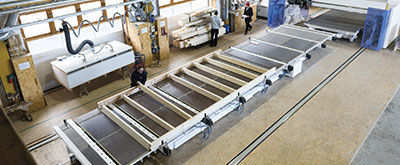
Industrialized construction is evolving. Automation, robotics and advanced technology are raising the level of productivity, efficiency and precision for builders in North America.
-
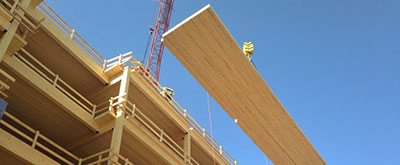
Stiles Machinery is at the forefront of providing technology and machining for producing high quality mass timber. Automated solutions for your mass timber production can increase your manufacturing quality and productivity.
-

Project management services from Stiles make it easy to streamline your entire project— from concept and consultation to integration and implementation.
-


-
-
-
-
-
-
With a customized Stiles University course, we can provide expert training for your team, on-location. Whether it's programming, operation or maintenance, we want to help you train your personnel to meet your production goals efficiently and effectively.
-
Experience the trusted workforce development training and machinery knowledge you rely on from Stiles University, now at your convenience. With technology changing every day and new methods being developed constantly, Stiles University Online has the latest information and training content available at your fingertips.
-
-
-
Do you want to produce more efficiently? Processes and flows are key. We optimize these together with you, re-organize them and make sure that you reduce your lead time and save costs. This enables you to implement customized manufacturing and achieve your business goals.
-
Industrialized construction is evolving. Automation, robotics and advanced technology are raising the level of productivity, efficiency and precision for builders in North America.
-
Stiles Machinery is at the forefront of providing technology and machining for producing high quality mass timber. Automated solutions for your mass timber production can increase your manufacturing quality and productivity.
-
Project management services from Stiles make it easy to streamline your entire project— from concept and consultation to integration and implementation.
-
Top 10 Mechanical Flange Types for Global Buyers?
Mechanical Flanges play a crucial role in various global industries. From oil and gas to water treatment, flanges ensure secure connections in piping systems. According to a report by MarketsandMarkets, the flange market is expected to grow significantly, reaching $8.4 billion by 2025. This growth highlights the increasing demand for reliable components in mechanical systems.
Different types of mechanical flanges serve diverse applications. Each type has unique specifications and benefits. For instance, welded flanges are known for their strength, while slip-on flanges are favored for easy installation. However, selecting the right flange can be challenging. Many professionals face uncertainties in choosing the best option for specific needs, which can lead to potential failures in systems.
Understanding industry standards and flange types is essential. Organizations like ASME provide guidelines that enhance reliability. Despite these standards, errors can occur during installation or selection. This can result in costly downtime or safety hazards. Therefore, rising global buyers must grasp the importance of mechanical flanges. Proper knowledge ensures informed decisions in an ever-evolving marketplace.
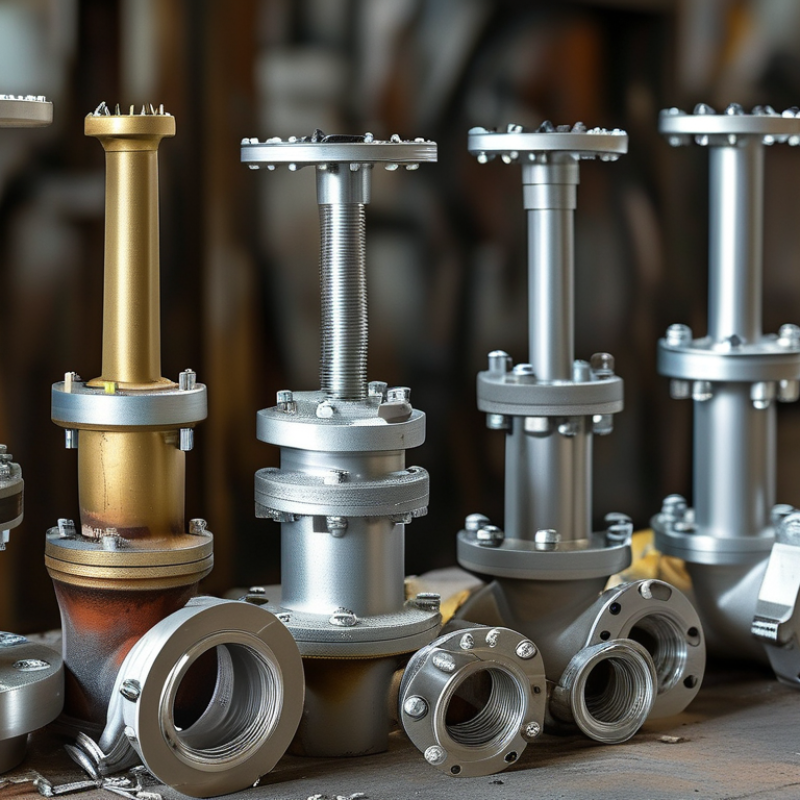
Top 10 Mechanical Flange Types: An Overview for Global Buyers
Flanges are essential components in piping systems. They create secure connections between pipes and devices. A variety of flange types exists to meet different engineering needs. Knowledge of these types is crucial for global buyers.
The first common type is the Weld Neck Flange. This design allows for high-pressure applications. It helps reduce stress concentrations. Another popular type is the slip-on flange. It is easier to align and install, but it might not be ideal for extreme conditions. Blind flanges serve as end caps. They provide a complete seal for pressure retention.
Buyers often overlook specific details. For instance, corrosion resistance can vary greatly across materials. Understanding these nuances leads to better purchasing decisions. Additionally, not every flange type fits all applications. Sometimes, an adjustable option is needed. Awareness of these factors enhances the reliability of connections in piping systems.
Top 10 Mechanical Flange Types: An Overview for Global Buyers
| Flange Type | Material | Pressure Rating (Class) | Usage |
|---|---|---|---|
| Weld Neck Flange | Carbon Steel | 150 - 2500 | Pipelines, Pressure Vessels |
| Slip-On Flange | Stainless Steel | 150 - 3000 | Low-Pressure Applications |
| Blind Flange | Alloy Steel | 150 - 2500 | Closing Off Pipeline Ends |
| Socket Weld Flange | Carbon Steel | 150 - 3000 | Small Diameter Pipes |
| Lap Joint Flange | Stainless Steel | 150 - 1500 | Piping Systems with Flanged Joints |
| Threaded Flange | Steel | 150 - 3000 | Non-Welded Connections |
| Orifice Flange | Carbon Steel | 150 - 2500 | Flow Measurement Applications |
| Expanding Flange | Stainless Steel | 150 - 1500 | Variable Duct Sizes |
| Reduce Flange | Alloy Steel | 150 - 2500 | Adapting Different Pipe Sizes |
| Ring Joint Flange | Carbon Steel | 150 - 1500 | High-Pressure Systems |