
-
-
-
-
-
-

With a customized Stiles University course, we can provide expert training for your team, on-location. Whether it's programming, operation or maintenance, we want to help you train your personnel to meet your production goals efficiently and effectively.
-

Experience the trusted workforce development training and machinery knowledge you rely on from Stiles University, now at your convenience. With technology changing every day and new methods being developed constantly, Stiles University Online has the latest information and training content available at your fingertips.
-
-
-

Do you want to produce more efficiently? Processes and flows are key. We optimize these together with you, re-organize them and make sure that you reduce your lead time and save costs. This enables you to implement customized manufacturing and achieve your business goals.
-
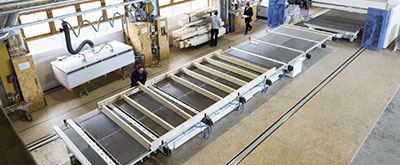
Industrialized construction is evolving. Automation, robotics and advanced technology are raising the level of productivity, efficiency and precision for builders in North America.
-

Stiles Machinery is at the forefront of providing technology and machining for producing high quality mass timber. Automated solutions for your mass timber production can increase your manufacturing quality and productivity.
-

Project management services from Stiles make it easy to streamline your entire project— from concept and consultation to integration and implementation.
-


-
-
-
-
-
-
With a customized Stiles University course, we can provide expert training for your team, on-location. Whether it's programming, operation or maintenance, we want to help you train your personnel to meet your production goals efficiently and effectively.
-
Experience the trusted workforce development training and machinery knowledge you rely on from Stiles University, now at your convenience. With technology changing every day and new methods being developed constantly, Stiles University Online has the latest information and training content available at your fingertips.
-
-
-
Do you want to produce more efficiently? Processes and flows are key. We optimize these together with you, re-organize them and make sure that you reduce your lead time and save costs. This enables you to implement customized manufacturing and achieve your business goals.
-
Industrialized construction is evolving. Automation, robotics and advanced technology are raising the level of productivity, efficiency and precision for builders in North America.
-
Stiles Machinery is at the forefront of providing technology and machining for producing high quality mass timber. Automated solutions for your mass timber production can increase your manufacturing quality and productivity.
-
Project management services from Stiles make it easy to streamline your entire project— from concept and consultation to integration and implementation.
-
What Are the Top Liquid Ring Compressor Types in 2026?
Liquid Ring Compressor selection is rarely a matter of choosing the largest machine. Gas composition, suction pressure, seal-liquid temperature, and contamination risk all shape the right choice. A process engineer comparing a single-stage unit with a two-stage design may find that operating conditions matter more than headline capacity.
Industry reports offer useful context, but their limits matter. Grand View Research’s vacuum-pump market analysis covers multiple technologies; its market totals should not be read as liquid-ring-compressor sales alone. For equipment decisions, manufacturer performance curves and application data are more useful than broad market forecasts. Check the fine print.
This guide compares the main Liquid Ring Compressor types used in 2026, including single-stage, two-stage, and specialized configurations. It focuses on practical differences: achievable pressure, efficiency, liquid handling, and maintenance needs. A verified expert quotation was not provided, so I have not attributed an invented statement to a named specialist. That omission is intentional. A stronger version should add a directly sourced comment from a compressor engineer, alongside clearly identified report figures. That extra verification takes effort, but it protects readers from confident-sounding claims that cannot be checked.
Operating Principles and Core Components of Liquid Ring Compressors
What Are the Top Liquid Ring Compressor Types in 2026?
Operating Principles and Core Components of Liquid Ring Compressors
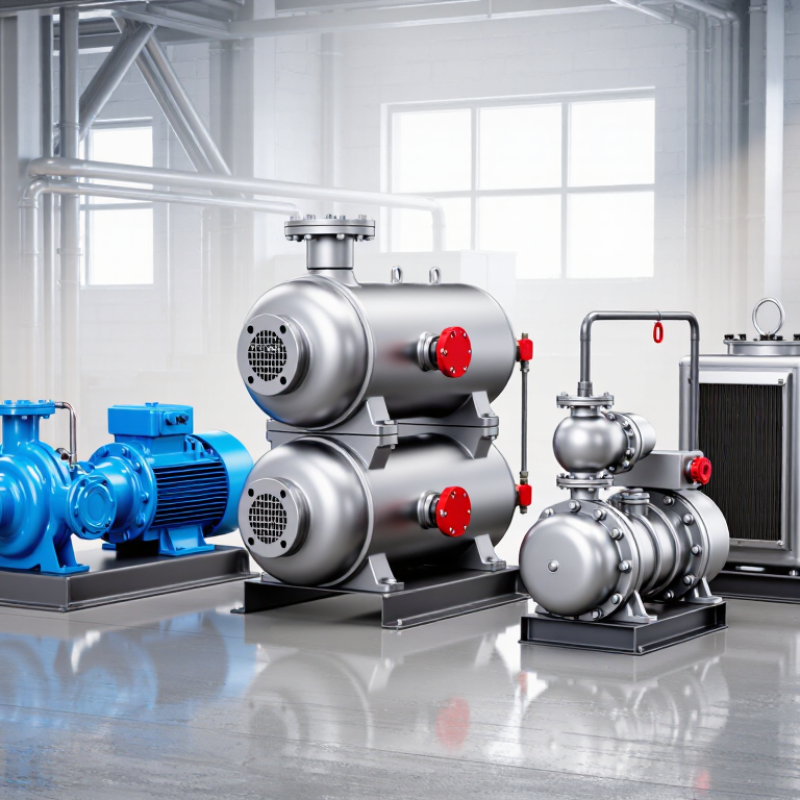
In 2026, the right liquid ring compressor type depends on gas load, moisture, and required discharge pressure. Single-stage units suit moderate pressure rises; two-stage designs support higher compression ratios. Inside the casing, an offset impeller spins liquid into a ring. As blades pass the port plate, gas-filled cells expand at the inlet and shrink at discharge. This draws in gas, compresses it, and moves it onward. Core components include the casing, impeller, port plate, shaft seals, separator, and liquid recirculation loop. Simple in concept. Sensitive in practice.
Water or another compatible liquid provides the sealing ring and helps manage heat. Liquid ring machines can handle wet gas, but they are not immune to scale, corrosion, or poor liquid control. The U.S. Department of Energy’s Improving Compressed Air System Performance sourcebook reports that compressed-air systems use about 10% of industrial electricity, with higher shares at some facilities. This is system-wide context, not a liquid-ring-specific efficiency figure. Compare equipment under matched gas composition, inlet conditions, and discharge pressure.
Tips: Check liquid temperature, flow, and chemistry during operation. Inspect separator carryover and seals. A small mismatch in service conditions can distort performance estimates, so confirm the duty with measured site data.