
Skip to content

Top 10 Types of Foot Massagers for Buyers in 2026

A long day can leave feet feeling tight, warm, or simply tired. The American Podiatric Medical Association (APMA) reports that 77% of Americans have experienced foot problems, including pain. That survey offers useful context, but it does not show that a massager can prevent or treat a medical condition. A Foot Massager is better viewed as a comfort device, with results depending on the user, settings, and fit.

The choices in 2026 range from compact rollers and shiatsu units to heated, air-compression, and water-based designs. Grand View Research’s massage equipment market analysis provides broader industry context, while product specifications help buyers compare features such as pressure controls, heat settings, size, and cleaning requirements. Numbers matter. So do everyday details: Can your heel sit comfortably inside the cup? Are the controls easy to reach without bending? Does the unit feel too intense after a few minutes?

This guide looks at ten common types and the trade-offs behind each. A higher price does not guarantee a better fit, and a soothing sensation is not proof of therapeutic benefit. Some product claims deserve a closer look. People with persistent pain, reduced foot sensation, circulation concerns, or other health conditions should seek advice from a qualified healthcare professional before use. The right choice is not always the most powerful one; sometimes a simple, adjustable model is easier to use consistently.
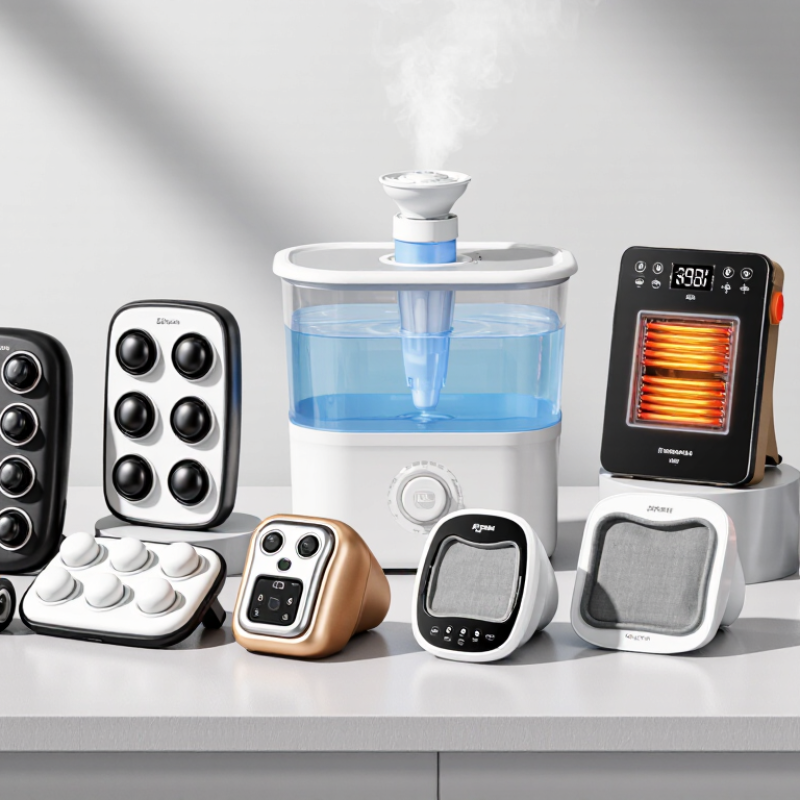
Top 10 Types of Foot Massagers for Buyers in 2026

What a Foot Massager Is and How It Works

A foot massager is a device that applies pressure or movement to the feet through rollers, kneading nodes, vibration, air compression, or warmth. Some models combine several methods. Rollers travel beneath the soles; air chambers gently squeeze the feet; vibration creates a rapid, localized sensation. The goal is usually comfort and temporary relaxation, not a medical diagnosis or treatment. The sensation should feel pleasant, not sharp or painful.

Its effects depend on the mechanism and the person using it. Pressure and movement stimulate sensory nerves and may ease the feeling of tired feet for a while, but they do not prove improved circulation or lasting pain relief. The distinction matters. The U.S. National Center for Complementary and Integrative Health reports that 6.9% of adults used massage therapy in the 2012 National Health Interview Survey; that figure concerns massage overall, not foot-massager results. A powered device is not the same as a therapist’s assessment. Heat can also feel stronger on sensitive skin, so start low and stop if discomfort develops. That caveat is easy to overlook.

Key Technologies Used in Foot Massagers

Foot massagers use several technologies, and each creates a different sensation. Rotating rollers move beneath the sole, often focusing on the arch and heel. Air chambers inflate around the feet, then release pressure in cycles. This compression can feel gentler than firm rollers, though tight settings may feel uncomfortable. Vibration motors add a fast, surface-level buzz. Some devices combine vibration with kneading, making it harder to tell which feature provides the main benefit. Heat usually warms the foot space rather than delivering targeted therapy. A warm interior can be pleasant, but it may not suit everyone.

Controls matter as much as the mechanism. Look for separate settings for heat, intensity, and session length, so one feature does not force another. Open-toe designs can accommodate a wider range of foot sizes, while enclosed models may offer more contact. Check how the rollers reach the arch; a small gap can leave that area untouched. Sensors may adjust pressure, but their response can vary with foot shape and positioning. Technology labels rarely tell the whole story. Fit matters. A device that feels soothing at low intensity may feel harsh at a higher setting, especially around the toes. Specifications cannot fully predict that sensation, so clear return terms and straightforward controls are worth considering.

Ten Types of Foot Massagers Available to Buyers in 2026

Ten Types of Foot Massagers Available to Buyers in 2026

Buyers can choose from manual rollers, acupressure boards, electric kneading units, rotating shiatsu heads, air-compression sleeves, heated massagers, water-based foot spas, vibration platforms, electrical stimulation devices, and foot-and-calf systems.

Each feels different: rollers work under the arch, while compression sleeves squeeze around the foot. Heat can feel soothing, but it is not a treatment for every cause of discomfort. Fit matters. Check the foot chamber, control layout, noise, and cleaning instructions before buying. A bulky device may feel awkward beside a small chair.

The American Podiatric Medical Association’s 2014 foot-health survey reported that 77% of U.S. adults had experienced foot pain. That figure describes reported pain, not proof that a massager will relieve it.

The National Center for Complementary and Integrative Health notes that massage research varies by condition, so buyers should be cautious about broad health claims. For daily relaxation, a simple roller or kneading model may be enough; people who dislike strong pressure may prefer vibration or adjustable air compression. Some features look impressive on a shelf, yet can go unused. I would compare pressure settings and return policies, not just heat modes or advertised intensity.

How the Different Types Compare in Features and Use

Choosing among ten foot-massager types means comparing how they work, not just how many settings they offer. Manual rollers are compact and let users control pressure beneath the arch. Shiatsu models use rotating nodes for deeper kneading, while vibration units provide a lighter, more surface-level sensation. Air-compression models squeeze the foot in cycles; they may feel snug, but can be awkward for anyone sensitive to pressure. Water-bath massagers add warmth and a soaking ritual, though they take more effort to fill and clean. Heat-equipped devices warm the feet, but heat is not the same as therapeutic treatment.

The American Podiatric Medical Association’s 2014 survey found that 77% of American adults had experienced foot problems.

That figure describes reported foot problems, not demand for massagers or proof that these devices treat them. A buyer comparing products should check fit, pressure adjustment, cleaning, noise, and whether the controls are easy to reach. Details matter. A tight air cuff or hard kneading node can turn a relaxing session into an uncomfortable one.

For daily desk breaks, a simple roller or vibration model may be easier to use and store. After standing for hours, some people may prefer kneading or compression, but comfort varies. Try a low setting first. This is less exciting than chasing the strongest mode, yet probably wiser. Stop if use causes pain, numbness, or skin irritation, and seek professional advice for persistent symptoms.

Factors to Consider When Choosing a Foot Massager

When comparing the top types of foot massagers, start with how you expect to use one. A compact roller may suit a desk or sofa, while a larger unit can offer kneading, air compression, or heat. Check the size against your feet and the space beside your chair. Fit matters. Some open designs feel less restrictive, while enclosed models may be harder to share between users.

Consider pressure settings, controls, noise, and cleaning. A gentle setting should feel comfortable, not sharp or numbing; stronger pressure is not automatically better. If possible, try the controls before buying, especially if bending down is difficult. Look for removable, washable liners and a power cord that reaches your usual seat. Heat can feel soothing, but it should be adjustable and never uncomfortably hot. Not always. Product descriptions cannot show exactly how a device will feel on your feet, and personal preferences may change after several sessions. People with reduced sensation, circulation concerns, or ongoing foot pain should ask a qualified health professional before using heat or deep pressure. A little extra care here is worthwhile.

Top 10 Types of Foot Massagers for Buyers in 2026 - Factors to Consider When Choosing a Foot Massager
Type How It Works May Suit Factors to Consider Possible Limitations
1. Manual Foot Roller A foot is moved over a ridged or rounded roller to apply pressure through the sole. Buyers seeking a simple, portable, electricity-free option with user-controlled pressure. Check roller shape, surface texture, stability, material, and whether it is easy to clean and store. Pressure and coverage depend on the user's movement; it does not provide automatic massage or heat.
2. Electric Shiatsu-Style Massager Rotating nodes or rollers press and knead areas of the feet, often with selectable speed settings. People who prefer powered kneading without manually moving a roller. Compare the massage area, pressure adjustment, foot-opening size, controls, cleaning access, and noise level. Fixed node positions and pressure may not feel comfortable for every foot shape or sensitivity level.
3. Air-Compression Massager Inflatable chambers gently squeeze and release parts of the feet; some models also include sole rollers. Buyers who prefer a wrapping, rhythmic compression sensation. Check chamber coverage, adjustable intensity, fit range, cycle options, and whether kneading is included. Compression may feel restrictive, and the fit can be unsuitable for some foot sizes or swelling conditions.
4. Water Foot Spa A basin holds warm water; models may add bubbles, vibration, or simple massage nodes. Those who want a soak as part of their relaxation routine. Consider basin capacity, temperature controls, splash protection, drainage, storage, and cleaning requirements. It uses water and needs cleaning after use; bubbles or vibration do not necessarily provide deep kneading.
5. Vibration Foot Massager A powered base or platform vibrates while the user rests their feet on it. Buyers who want a simple, hands-free sensation and easy-to-use controls. Look for stable footing, vibration settings, surface size, controls, and a design that stays in place. Vibration is different from kneading or compression and may not suit people sensitive to vibration.
6. EMS Foot Stimulator Electrode pads deliver low-level electrical pulses that cause sensations or muscle contractions. Adults considering an electrical stimulation device who have checked whether it is appropriate for them. Review the device instructions, electrode placement, intensity range, intended use, and safety warnings. It is not a conventional kneading massage. People with implanted electronic devices, pregnancy, or relevant health conditions should seek professional advice before use.
7. Heated Foot Wrap A soft enclosure warms the feet; some versions add gentle vibration, while others provide heat only. People seeking warmth and a soft, enclosed design rather than strong mechanical pressure. Check heat settings, timer, washable lining, cord length, fit, and whether the product actually includes massage functions. Heat-only models do not knead or compress. Avoid excessive heat, especially if sensation is reduced.
8. Electric Rolling Massager Powered rollers move beneath the soles to create a rolling or kneading action. Buyers who want continuous, motor-driven rolling rather than stationary pressure points. Compare roller travel, speed settings, foot coverage, pressure control, and ease of reaching the controls. Roller movement may not cover the sides or tops of the feet, and pressure can feel intense for some users.
9. Calf-and-Foot Massager A larger unit combines foot massage with compression, rollers, or kneading around the lower legs. Buyers who want coverage beyond the feet and have room for a larger device. Check calf and foot fit, unit dimensions, adjustability, weight, storage needs, and independent zone controls. It usually costs and weighs more than a foot-only device; confirm that both areas fit comfortably.
10. Multi-Function Combination Massager Combines features such as kneading, rolling, air compression, vibration, or heat in one device. Buyers who want multiple massage modes and are willing to compare a more complex control system. Identify which functions are independently adjustable, how modes can be combined, and how the unit is cleaned and stored. More features do not guarantee a better fit; compare the functions you will actually use, warranty terms, and ease of operation.
General selection note: Compare fit, pressure control, ease of cleaning, storage, noise, safety features, and the return policy. Foot massagers are personal comfort products, not substitutes for medical care. If you have reduced foot sensation, diabetes-related foot problems, circulation concerns, a history of blood clots, or another relevant medical condition, ask a qualified healthcare professional before using heat, compression, electrical stimulation, or vigorous massage.