
-
-
-
-
-
-

With a customized Stiles University course, we can provide expert training for your team, on-location. Whether it's programming, operation or maintenance, we want to help you train your personnel to meet your production goals efficiently and effectively.
-

Experience the trusted workforce development training and machinery knowledge you rely on from Stiles University, now at your convenience. With technology changing every day and new methods being developed constantly, Stiles University Online has the latest information and training content available at your fingertips.
-
-
-

Do you want to produce more efficiently? Processes and flows are key. We optimize these together with you, re-organize them and make sure that you reduce your lead time and save costs. This enables you to implement customized manufacturing and achieve your business goals.
-

Industrialized construction is evolving. Automation, robotics and advanced technology are raising the level of productivity, efficiency and precision for builders in North America.
-

Stiles Machinery is at the forefront of providing technology and machining for producing high quality mass timber. Automated solutions for your mass timber production can increase your manufacturing quality and productivity.
-

Project management services from Stiles make it easy to streamline your entire project— from concept and consultation to integration and implementation.
-



-
-
-
-
-
-
With a customized Stiles University course, we can provide expert training for your team, on-location. Whether it's programming, operation or maintenance, we want to help you train your personnel to meet your production goals efficiently and effectively.
-
Experience the trusted workforce development training and machinery knowledge you rely on from Stiles University, now at your convenience. With technology changing every day and new methods being developed constantly, Stiles University Online has the latest information and training content available at your fingertips.
-
-
-
Do you want to produce more efficiently? Processes and flows are key. We optimize these together with you, re-organize them and make sure that you reduce your lead time and save costs. This enables you to implement customized manufacturing and achieve your business goals.
-
Industrialized construction is evolving. Automation, robotics and advanced technology are raising the level of productivity, efficiency and precision for builders in North America.
-
Stiles Machinery is at the forefront of providing technology and machining for producing high quality mass timber. Automated solutions for your mass timber production can increase your manufacturing quality and productivity.
-
Project management services from Stiles make it easy to streamline your entire project— from concept and consultation to integration and implementation.
-
Top 10 Eco Bikes for Sustainable Travel Options?
In recent years, the demand for sustainable modes of transportation has surged. According to a report by the World Economic Forum, the global electric bike market is projected to reach $38.6 billion by 2025. As urban populations rise, an increasing number of individuals are looking for eco-friendly travel options. Eco Bikes stand out in this transition, allowing riders to reduce their carbon footprint while enjoying the outdoors.
These innovative bikes are not just about zero emissions. They incorporate advanced technology to enhance user experience. Features such as regenerative braking and lightweight materials improve efficiency. Reports suggest that switching to an Eco Bike can save around 2,500 pounds of CO2 emissions annually, which is a substantial impact for individual riders. However, despite their benefits, issues such as price and accessibility still need addressing.
Choosing the right Eco Bike can be overwhelming. With numerous brands and styles available, it’s essential to consider your specific needs. Factors like battery life, terrain compatibility, and design can greatly influence your cycling experience. As the market evolves, we must critically assess our choices and their long-term impacts on our environment.
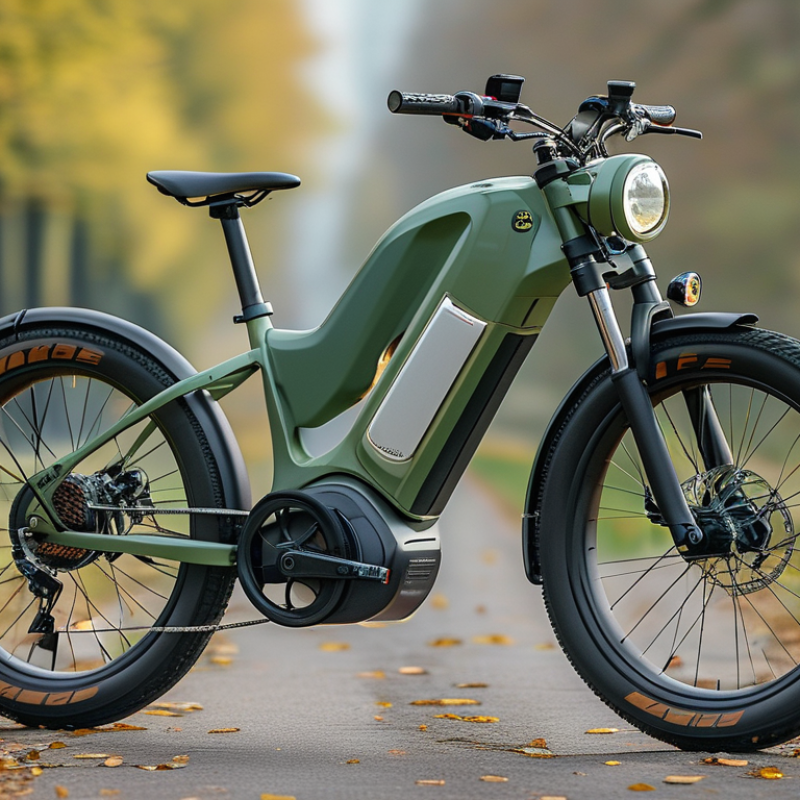
Understanding Eco Bikes: Definition and Benefits for Sustainable Travel
Eco bikes, also known as electric bicycles, offer a sustainable travel option that has gained popularity in recent years. They combine traditional cycling with electric propulsion, making commuting easier and more accessible. According to a report by the European Cyclists' Federation, e-bikes can reduce CO2 emissions by up to 50% compared to cars. This statistic highlights the potential of eco bikes to contribute toward cleaner urban environments.
Many cities worldwide have embraced eco bikes as a viable transport solution. A study from the Institute for Transportation and Development Policy found that increasing biking infrastructure could lead to a 25% reduction in vehicle traffic. Many urban dwellers now prefer cycling short distances, promoting healthier lifestyles. However, despite their benefits, some users still hesitate, citing safety concerns on busy roads. The gap in cycling infrastructure can discourage potential riders. Addressing these issues is crucial for broader adoption.
The affordability aspect also needs evaluation. While eco bikes may have a higher upfront cost, they can significantly lower travel expenses over time. Maintenance and fuel savings often offset the initial investment. Yet, many potential buyers are unaware of long-term savings. This lack of information may hinder widespread acceptance, emphasizing the need for better education on eco bikes' financial benefits.