
-
-
-
-
-
-

With a customized Stiles University course, we can provide expert training for your team, on-location. Whether it's programming, operation or maintenance, we want to help you train your personnel to meet your production goals efficiently and effectively.
-

Experience the trusted workforce development training and machinery knowledge you rely on from Stiles University, now at your convenience. With technology changing every day and new methods being developed constantly, Stiles University Online has the latest information and training content available at your fingertips.
-
-
-

Do you want to produce more efficiently? Processes and flows are key. We optimize these together with you, re-organize them and make sure that you reduce your lead time and save costs. This enables you to implement customized manufacturing and achieve your business goals.
-

Industrialized construction is evolving. Automation, robotics and advanced technology are raising the level of productivity, efficiency and precision for builders in North America.
-

Stiles Machinery is at the forefront of providing technology and machining for producing high quality mass timber. Automated solutions for your mass timber production can increase your manufacturing quality and productivity.
-

Project management services from Stiles make it easy to streamline your entire project— from concept and consultation to integration and implementation.
-



-
-
-
-
-
-
With a customized Stiles University course, we can provide expert training for your team, on-location. Whether it's programming, operation or maintenance, we want to help you train your personnel to meet your production goals efficiently and effectively.
-
Experience the trusted workforce development training and machinery knowledge you rely on from Stiles University, now at your convenience. With technology changing every day and new methods being developed constantly, Stiles University Online has the latest information and training content available at your fingertips.
-
-
-
Do you want to produce more efficiently? Processes and flows are key. We optimize these together with you, re-organize them and make sure that you reduce your lead time and save costs. This enables you to implement customized manufacturing and achieve your business goals.
-
Industrialized construction is evolving. Automation, robotics and advanced technology are raising the level of productivity, efficiency and precision for builders in North America.
-
Stiles Machinery is at the forefront of providing technology and machining for producing high quality mass timber. Automated solutions for your mass timber production can increase your manufacturing quality and productivity.
-
Project management services from Stiles make it easy to streamline your entire project— from concept and consultation to integration and implementation.
-
China Top 10 Water Spray Food Sterilizer Machine Buyers Guide
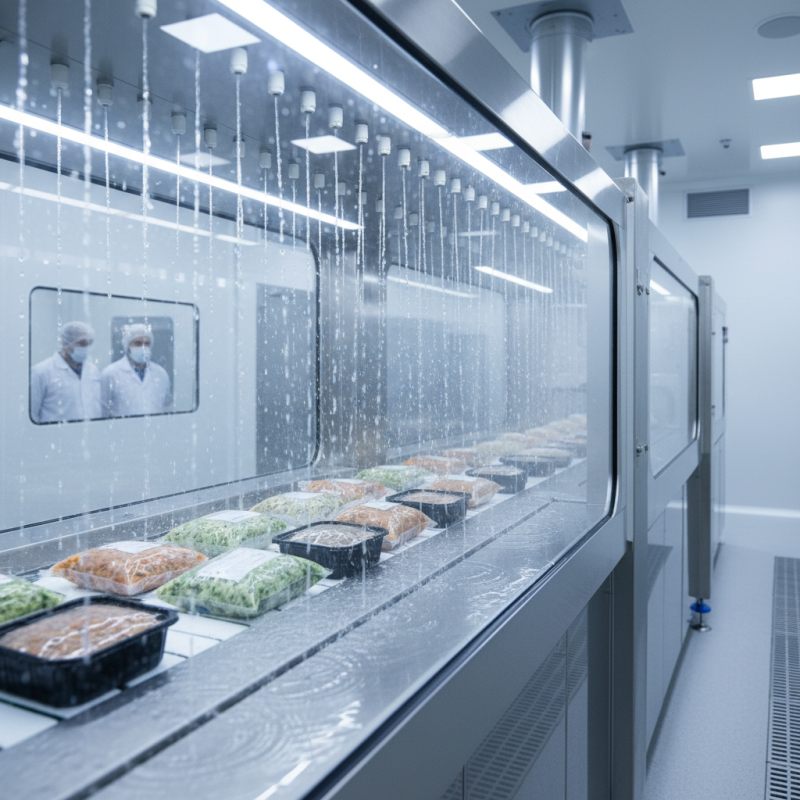
In today's world, food safety is more important than ever. Consumers are increasingly aware of the risks associated with contaminated food. One effective solution to this problem is the Water Spray Food Sterilizer Machine. This innovative equipment uses a simple yet powerful method to ensure food hygiene. The technology involves spraying water at high pressure to eliminate harmful bacteria and pathogens.
The importance of choosing the right sterilizer cannot be overstated. Not all machines are created equal. Factors such as efficiency, design, and ease of use are crucial. Buyers must consider their specific needs and how the Water Spray Food Sterilizer Machine fits into their operations. With many options available, making a smart choice can be challenging. It's essential to evaluate features thoroughly and seek recommendations.
However, the journey to finding the perfect machine may reveal some shortcomings in the available options. Some products might not match their claims, leading to frustration. Additionally, the complexity of some models can deter potential users. Thus, investing time in research is vital for making an informed decision. Understanding these nuances can lead to better outcomes in food safety and hygiene.
Understanding the Importance of Water Spray Food Sterilizers in Food Safety
Food safety is a growing concern globally, and water spray food sterilizers play a crucial role in combating foodborne pathogens. According to a report by the World Health Organization, about 600 million people fall ill from contaminated food each year. Effective disinfection methods are essential. Water spray sterilizers can reduce microbial contamination by up to 99%, which is significant for public health.
The mechanism of these sterilizers involves high-pressure sprays that remove bacteria and residues from food surfaces. This process is essential in industries like meat processing and fresh produce handling. Interestingly, research indicates that over 20% of food spoilage can be attributed to microbial contamination. Hence, adopting water spray technology is not just a regulatory step but a practical solution.
However, it's vital to recognize that not all sterilizers are effective in every situation. The water quality, spray pressure, and duration of contact play critical roles. Many food facilities may overlook these factors, leading to ineffective sterilization. Continuous training and improvement are necessary to make the most out of these machines. Investing in proper equipment and protocols can enhance food safety while addressing potential oversights in the sterilization process.