
-
-
-
-
-
-

With a customized Stiles University course, we can provide expert training for your team, on-location. Whether it's programming, operation or maintenance, we want to help you train your personnel to meet your production goals efficiently and effectively.
-

Experience the trusted workforce development training and machinery knowledge you rely on from Stiles University, now at your convenience. With technology changing every day and new methods being developed constantly, Stiles University Online has the latest information and training content available at your fingertips.
-
-
-

Do you want to produce more efficiently? Processes and flows are key. We optimize these together with you, re-organize them and make sure that you reduce your lead time and save costs. This enables you to implement customized manufacturing and achieve your business goals.
-
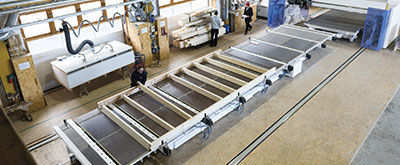
Industrialized construction is evolving. Automation, robotics and advanced technology are raising the level of productivity, efficiency and precision for builders in North America.
-
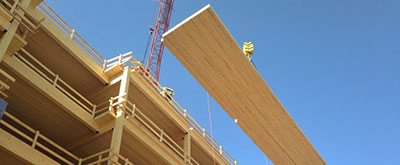
Stiles Machinery is at the forefront of providing technology and machining for producing high quality mass timber. Automated solutions for your mass timber production can increase your manufacturing quality and productivity.
-

Project management services from Stiles make it easy to streamline your entire project— from concept and consultation to integration and implementation.
-

-
-
-
-
-
-
With a customized Stiles University course, we can provide expert training for your team, on-location. Whether it's programming, operation or maintenance, we want to help you train your personnel to meet your production goals efficiently and effectively.
-
Experience the trusted workforce development training and machinery knowledge you rely on from Stiles University, now at your convenience. With technology changing every day and new methods being developed constantly, Stiles University Online has the latest information and training content available at your fingertips.
-
-
-
Do you want to produce more efficiently? Processes and flows are key. We optimize these together with you, re-organize them and make sure that you reduce your lead time and save costs. This enables you to implement customized manufacturing and achieve your business goals.
-
Industrialized construction is evolving. Automation, robotics and advanced technology are raising the level of productivity, efficiency and precision for builders in North America.
-
Stiles Machinery is at the forefront of providing technology and machining for producing high quality mass timber. Automated solutions for your mass timber production can increase your manufacturing quality and productivity.
-
Project management services from Stiles make it easy to streamline your entire project— from concept and consultation to integration and implementation.
-
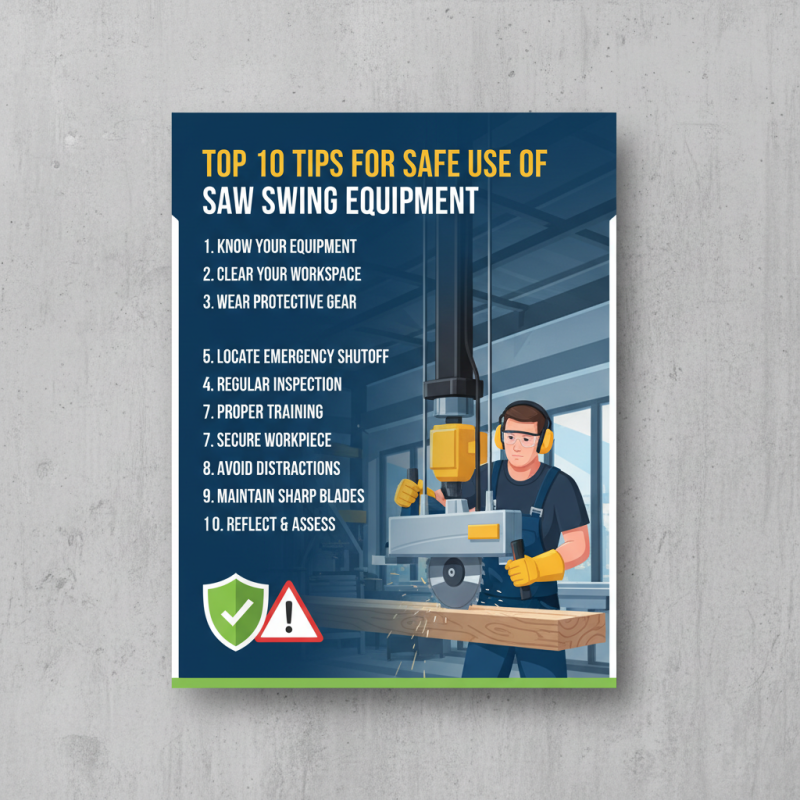
Top 10 Tips for Safe Use of Saw Swing Equipment?
When working with saw-swing equipment, safety must be a priority. This powerful machinery can be a double-edged sword. Proper usage ensures efficiency, but mistakes can lead to serious accidents. Understanding how to handle saw-swing tools effectively is crucial.
It’s essential to know the equipment's features and potential risks. Know your workspace. Clutter can lead to accidents and limit movement. Wearing protective gear is necessary. Eye protection and gloves can prevent injuries during operation. Familiarize yourself with the emergency shutoff. Misjudgments can happen, and quick responses are vital.
Engaging with saw-swing equipment can be rewarding, but it demands respect and responsibility. Reflect on past experiences. Have you overlooked any safety measures? Continuous self-assessment improves safety practices. Let’s delve into ten tips that promote safe and effective use of saw-swing machinery.
Understanding Saw Swing Equipment and Its Uses
Saw swing equipment plays a crucial role in various industries. It is essential for cutting, shaping, and finishing materials. This equipment often includes swing saws, which can be found in factories and construction sites. According to industry reports, improper use accounts for a significant number of accidents, highlighting the need for safety awareness.
To ensure safe use, it’s vital to understand the equipment. Users should regularly inspect the saw for any wear or damage. A faulty saw can lead to serious injuries. Proper training on equipment usage is equally important. Many reports suggest that about 30% of accidents stem from untrained users.
Implementing safety tips can mitigate risks. Always wear appropriate protective gear. This includes gloves, goggles, and ear protection. Stay focused while operating the saw. Distractions can be dangerous. Finally, maintain a clean workspace. A cluttered area increases the chances of accidents. Observing these practices can significantly improve safety when using saw swing equipment.