
-
-
-
-
-
-

With a customized Stiles University course, we can provide expert training for your team, on-location. Whether it's programming, operation or maintenance, we want to help you train your personnel to meet your production goals efficiently and effectively.
-

Experience the trusted workforce development training and machinery knowledge you rely on from Stiles University, now at your convenience. With technology changing every day and new methods being developed constantly, Stiles University Online has the latest information and training content available at your fingertips.
-
-
-

Do you want to produce more efficiently? Processes and flows are key. We optimize these together with you, re-organize them and make sure that you reduce your lead time and save costs. This enables you to implement customized manufacturing and achieve your business goals.
-
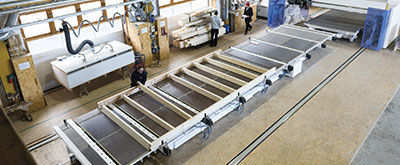
Industrialized construction is evolving. Automation, robotics and advanced technology are raising the level of productivity, efficiency and precision for builders in North America.
-

Stiles Machinery is at the forefront of providing technology and machining for producing high quality mass timber. Automated solutions for your mass timber production can increase your manufacturing quality and productivity.
-

Project management services from Stiles make it easy to streamline your entire project— from concept and consultation to integration and implementation.
-


-
-
-
-
-
-
With a customized Stiles University course, we can provide expert training for your team, on-location. Whether it's programming, operation or maintenance, we want to help you train your personnel to meet your production goals efficiently and effectively.
-
Experience the trusted workforce development training and machinery knowledge you rely on from Stiles University, now at your convenience. With technology changing every day and new methods being developed constantly, Stiles University Online has the latest information and training content available at your fingertips.
-
-
-
Do you want to produce more efficiently? Processes and flows are key. We optimize these together with you, re-organize them and make sure that you reduce your lead time and save costs. This enables you to implement customized manufacturing and achieve your business goals.
-
Industrialized construction is evolving. Automation, robotics and advanced technology are raising the level of productivity, efficiency and precision for builders in North America.
-
Stiles Machinery is at the forefront of providing technology and machining for producing high quality mass timber. Automated solutions for your mass timber production can increase your manufacturing quality and productivity.
-
Project management services from Stiles make it easy to streamline your entire project— from concept and consultation to integration and implementation.
-
Top 5 Tips for Choosing the Right Screw Air Compressor?
Choosing the right screw air compressor can be daunting. With numerous models and features available, making a decision requires careful thought. Industry expert John F. Miller emphasizes, "Selecting the ideal screw air compressor can boost efficiency and save costs." His insight highlights the importance of informed choices in this sector.
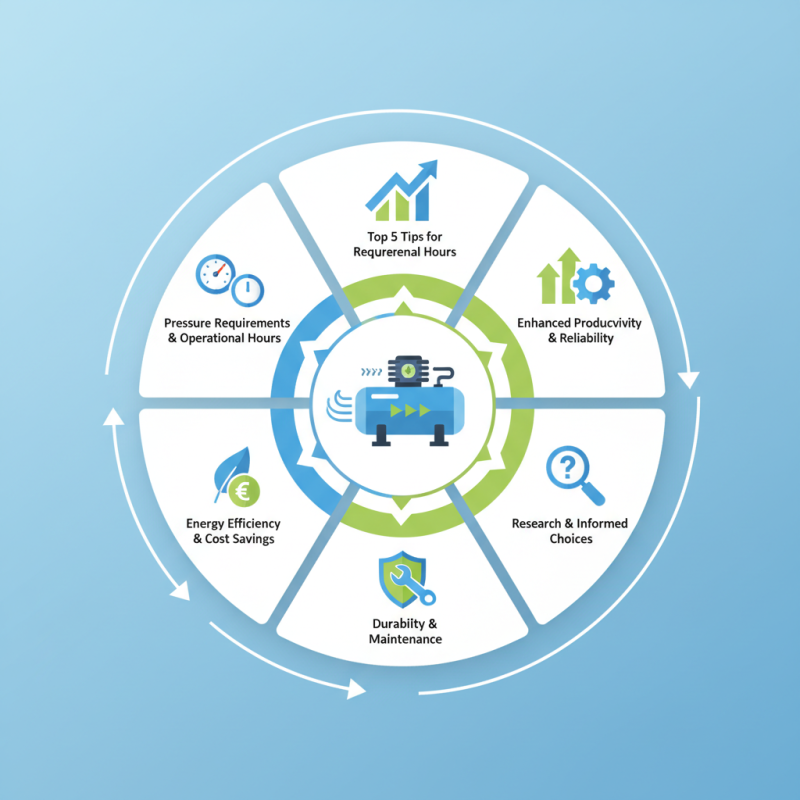
When evaluating options, consider your specific needs. Factors like pressure requirements and operational hours play a crucial role. Many buyers overlook the significance of energy efficiency. An effective screw air compressor can lead to substantial long-term savings.
However, not every model suits every application. Some models may promise high performance but fall short in durability or maintenance. Reflect on your choices and research beyond the surface. This process ensures you select a reliable screw air compressor tailored to your needs. A well-chosen compressor ultimately enhances productivity and minimizes hassle.
Understanding the Basics of Screw Air Compressors
Screw air compressors are known for their efficiency and reliability. They utilize two rotors to compress air, creating a continuous flow. This mechanism offers a quieter operation, making them ideal for many industrial applications. Understanding the operation principle is crucial before making a purchase decision.
The choice of a screw air compressor depends on various factors. Consider your air demand and how often you will use the compressor. Noise levels should also be on your radar, especially for indoor applications. Many users overlook maintenance requirements. Regular care can extend the compressor's lifespan.
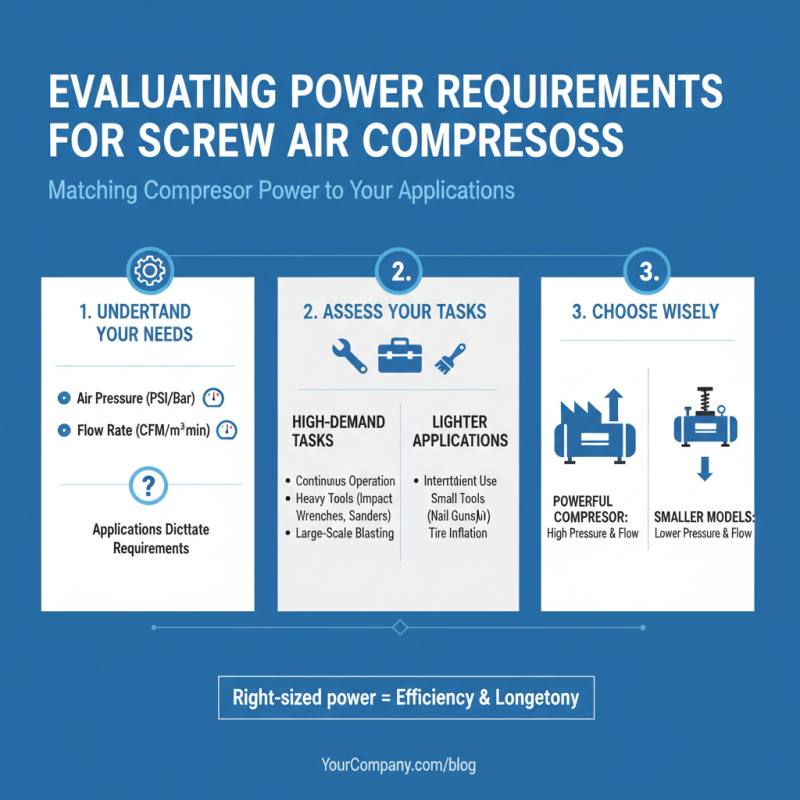
Selecting the right size is essential. A compressor that is too small can lead to inefficiency. On the other hand, an oversized unit may waste energy. Analyze your specific requirements to avoid these pitfalls. Overall, a well-informed choice will enhance performance and save costs long-term.
Related Posts
-
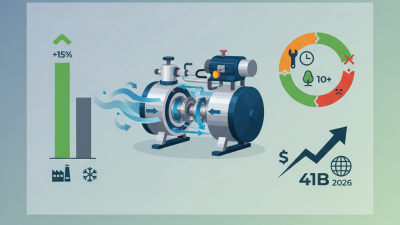
What is a Rotary Air Compressor and How Does it Work?
-

How to Choose the Best CNC Router for Your Projects?
-
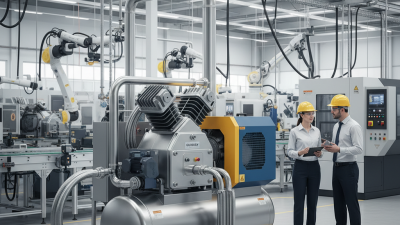
Why Choose a Rotary Screw Air Compressor for Your Industrial Needs?
-
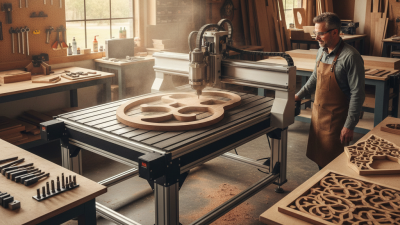
2026 How to Choose the Best CNC Router Table for Your Projects?
-
Unlocking Precision: How Wood CNC Machines are Revolutionizing the Furniture Industry
-

Unlocking the Potential of Wood CNC Machines for Your Next Creative Project