
-
-
-
-
-
-
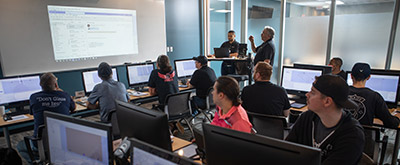
With a customized Stiles University course, we can provide expert training for your team, on-location. Whether it's programming, operation or maintenance, we want to help you train your personnel to meet your production goals efficiently and effectively.
-

Experience the trusted workforce development training and machinery knowledge you rely on from Stiles University, now at your convenience. With technology changing every day and new methods being developed constantly, Stiles University Online has the latest information and training content available at your fingertips.
-
-
-

Do you want to produce more efficiently? Processes and flows are key. We optimize these together with you, re-organize them and make sure that you reduce your lead time and save costs. This enables you to implement customized manufacturing and achieve your business goals.
-
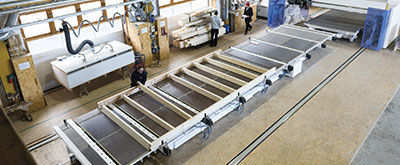
Industrialized construction is evolving. Automation, robotics and advanced technology are raising the level of productivity, efficiency and precision for builders in North America.
-

Stiles Machinery is at the forefront of providing technology and machining for producing high quality mass timber. Automated solutions for your mass timber production can increase your manufacturing quality and productivity.
-

Project management services from Stiles make it easy to streamline your entire project— from concept and consultation to integration and implementation.
-


-
-
-
-
-
-
With a customized Stiles University course, we can provide expert training for your team, on-location. Whether it's programming, operation or maintenance, we want to help you train your personnel to meet your production goals efficiently and effectively.
-
Experience the trusted workforce development training and machinery knowledge you rely on from Stiles University, now at your convenience. With technology changing every day and new methods being developed constantly, Stiles University Online has the latest information and training content available at your fingertips.
-
-
-
Do you want to produce more efficiently? Processes and flows are key. We optimize these together with you, re-organize them and make sure that you reduce your lead time and save costs. This enables you to implement customized manufacturing and achieve your business goals.
-
Industrialized construction is evolving. Automation, robotics and advanced technology are raising the level of productivity, efficiency and precision for builders in North America.
-
Stiles Machinery is at the forefront of providing technology and machining for producing high quality mass timber. Automated solutions for your mass timber production can increase your manufacturing quality and productivity.
-
Project management services from Stiles make it easy to streamline your entire project— from concept and consultation to integration and implementation.
-
Ultimate Tips for Choosing Stainless Steel Woven Wire Mesh?
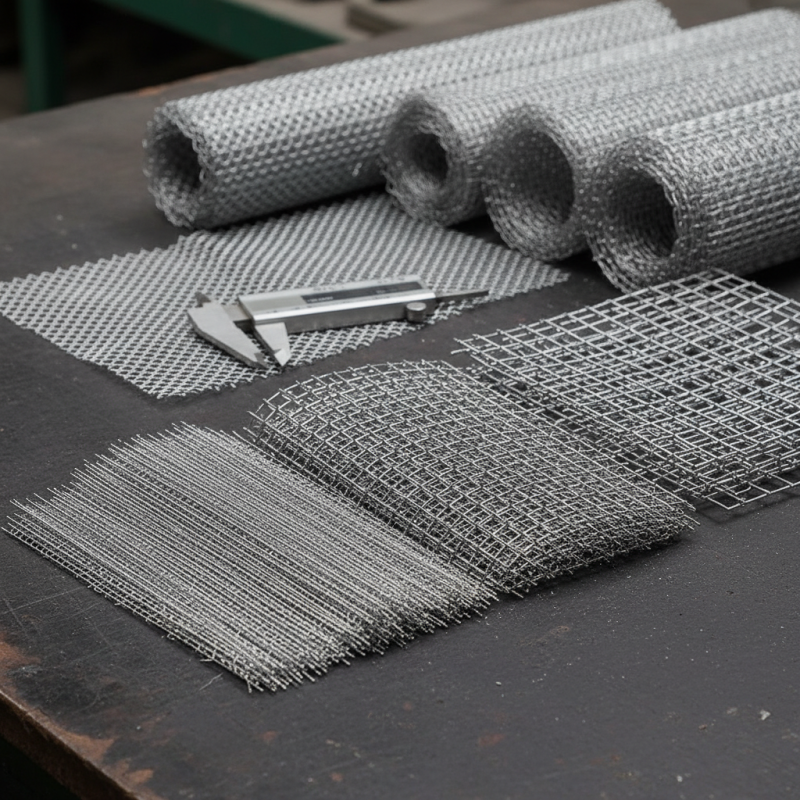
Choosing the right stainless steel woven wire mesh can be challenging. With various options available, it’s crucial to understand what suits your needs best. Stainless steel woven wire mesh offers durability and versatility for numerous applications.
Consider the type of stainless steel used. Different grades can impact longevity and strength. Think about the mesh size as well. A finer mesh provides better filtration, while a coarser one enhances airflow.
It’s important to reflect on how these choices align with your specific projects. Will the mesh withstand environmental factors? Can it accommodate the intended load? These questions are essential for making a sound decision. Understanding the details ensures your investment is worthwhile, minimizing regrets later on.
Understanding the Composition of Stainless Steel for Wire Mesh
When selecting stainless steel woven wire mesh, understanding its composition is crucial. Stainless steel typically consists of iron, chromium, nickel, and other elements. Chromium, usually around 10.5% or more, provides the corrosion resistance that stainless steel is known for. Reports suggest that over 70% of stainless steel is made from recycled materials, enhancing environmental sustainability.
The nickel content, often between 8% and 12%, improves the metal's ductility and strength. However, high nickel prices can impact overall costs. Data from industry analyses indicate that the global demand for stainless steel is projected to grow by over 3% annually. This demand emphasizes the importance of choosing the right type based on specific needs.
Not all stainless steel is the same. Variations exist, depending on alloying agents and processing. Some compositions may not perform well in all environments, leading to potential failures. Understanding the balance between cost and quality is vital. The selection process requires careful consideration and evaluation of performance in real-world applications.