
-
-
-
-
-
-

With a customized Stiles University course, we can provide expert training for your team, on-location. Whether it's programming, operation or maintenance, we want to help you train your personnel to meet your production goals efficiently and effectively.
-

Experience the trusted workforce development training and machinery knowledge you rely on from Stiles University, now at your convenience. With technology changing every day and new methods being developed constantly, Stiles University Online has the latest information and training content available at your fingertips.
-
-
-

Do you want to produce more efficiently? Processes and flows are key. We optimize these together with you, re-organize them and make sure that you reduce your lead time and save costs. This enables you to implement customized manufacturing and achieve your business goals.
-

Industrialized construction is evolving. Automation, robotics and advanced technology are raising the level of productivity, efficiency and precision for builders in North America.
-

Stiles Machinery is at the forefront of providing technology and machining for producing high quality mass timber. Automated solutions for your mass timber production can increase your manufacturing quality and productivity.
-

Project management services from Stiles make it easy to streamline your entire project— from concept and consultation to integration and implementation.
-



-
-
-
-
-
-
With a customized Stiles University course, we can provide expert training for your team, on-location. Whether it's programming, operation or maintenance, we want to help you train your personnel to meet your production goals efficiently and effectively.
-
Experience the trusted workforce development training and machinery knowledge you rely on from Stiles University, now at your convenience. With technology changing every day and new methods being developed constantly, Stiles University Online has the latest information and training content available at your fingertips.
-
-
-
Do you want to produce more efficiently? Processes and flows are key. We optimize these together with you, re-organize them and make sure that you reduce your lead time and save costs. This enables you to implement customized manufacturing and achieve your business goals.
-
Industrialized construction is evolving. Automation, robotics and advanced technology are raising the level of productivity, efficiency and precision for builders in North America.
-
Stiles Machinery is at the forefront of providing technology and machining for producing high quality mass timber. Automated solutions for your mass timber production can increase your manufacturing quality and productivity.
-
Project management services from Stiles make it easy to streamline your entire project— from concept and consultation to integration and implementation.
-
Essential Tips for Choosing Rubber Roller Making Machine?
When selecting a Rubber Roller Making Machine, it's crucial to consider various factors that can impact production efficiency. According to a recent industry report by the Global Rubber Roller Association, the market for rubber roller manufacturing is expected to grow by 7.5% annually until 2025. This data highlights the demand for advanced machinery in the sector.
Industry expert Dr. Mark Jensen has emphasized the importance of choosing the right equipment. He stated, "The versatility and precision of a Rubber Roller Making Machine can significantly enhance product quality." This insight reflects the pressing need for machines that not only meet production standards but also contribute to innovation in design and functionality.
Deciding on a suitable Rubber Roller Making Machine is not merely a technical choice; it requires a deep understanding of production needs and capabilities. A poorly chosen machine can lead to operational inefficiencies and increased costs. Therefore, assessing both the technical specifications and vendor reliability is vital for making an informed decision.
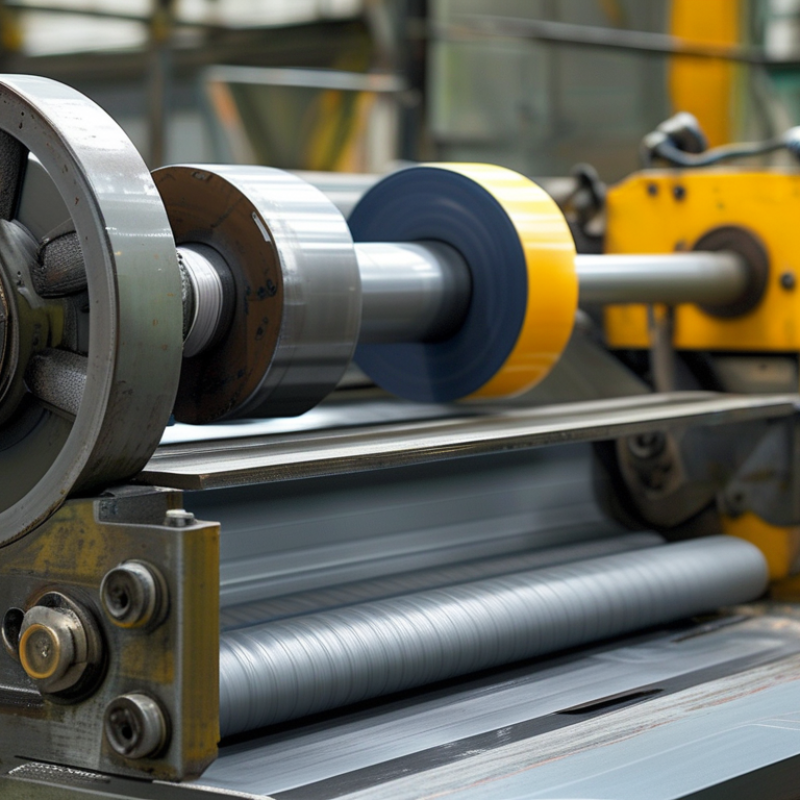
Types of Rubber Roller Making Machines: A Comprehensive Overview
When selecting a rubber roller making machine, understanding the types available is crucial. There are several commonly used machines in the industry. The most basic is the hydraulic press, which utilizes hydraulic power to mold rubber into desired shapes. It's ideal for smaller production runs, but it may lack efficiency for larger operations.
Another popular type is the calendar machine. This machine rolls rubber into sheets of uniform thickness. Its effectiveness in producing large quantities makes it suitable for big manufacturers. However, it can be expensive, and many businesses may find it challenging to justify the initial investment.
Extrusion machines are also noteworthy. These machines create rubber profiles and components by forcing rubber through a die. They are versatile and can produce various shapes. Yet, the complexity of operation might intimidate those new to the rubber industry. Each type has its advantages and drawbacks, making it essential for buyers to carefully evaluate their production needs before making a decision.