
-
-
-
-
-
-

With a customized Stiles University course, we can provide expert training for your team, on-location. Whether it's programming, operation or maintenance, we want to help you train your personnel to meet your production goals efficiently and effectively.
-

Experience the trusted workforce development training and machinery knowledge you rely on from Stiles University, now at your convenience. With technology changing every day and new methods being developed constantly, Stiles University Online has the latest information and training content available at your fingertips.
-
-
-

Do you want to produce more efficiently? Processes and flows are key. We optimize these together with you, re-organize them and make sure that you reduce your lead time and save costs. This enables you to implement customized manufacturing and achieve your business goals.
-
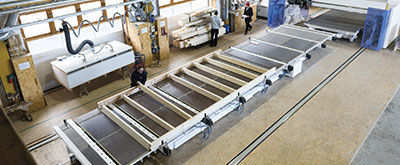
Industrialized construction is evolving. Automation, robotics and advanced technology are raising the level of productivity, efficiency and precision for builders in North America.
-
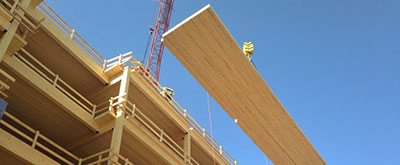
Stiles Machinery is at the forefront of providing technology and machining for producing high quality mass timber. Automated solutions for your mass timber production can increase your manufacturing quality and productivity.
-

Project management services from Stiles make it easy to streamline your entire project— from concept and consultation to integration and implementation.
-


-
-
-
-
-
-
With a customized Stiles University course, we can provide expert training for your team, on-location. Whether it's programming, operation or maintenance, we want to help you train your personnel to meet your production goals efficiently and effectively.
-
Experience the trusted workforce development training and machinery knowledge you rely on from Stiles University, now at your convenience. With technology changing every day and new methods being developed constantly, Stiles University Online has the latest information and training content available at your fingertips.
-
-
-
Do you want to produce more efficiently? Processes and flows are key. We optimize these together with you, re-organize them and make sure that you reduce your lead time and save costs. This enables you to implement customized manufacturing and achieve your business goals.
-
Industrialized construction is evolving. Automation, robotics and advanced technology are raising the level of productivity, efficiency and precision for builders in North America.
-
Stiles Machinery is at the forefront of providing technology and machining for producing high quality mass timber. Automated solutions for your mass timber production can increase your manufacturing quality and productivity.
-
Project management services from Stiles make it easy to streamline your entire project— from concept and consultation to integration and implementation.
-
Top Tips for Choosing a Reliable PCB Manufacturer?
Choosing a reliable PCB manufacturer is crucial for any electronics project. The quality of your PCB impacts the overall performance and durability of your product. It can be overwhelming to select the right partner, especially with numerous options available.
One critical factor is the manufacturer’s experience. A seasoned PCB manufacturer often indicates competence and reliability. Check their previous work and client reviews. Ask about their quality control measures. Many manufacturers claim to deliver high quality, but not all meet this promise. Pay attention to their certifications as well.
Additionally, consider communication. A good PCB manufacturer should be responsive and transparent. Poor communication can lead to costly mistakes. It’s worth testing their support before making a commitment. Reflect on whether the manufacturer aligns with your needs. This careful evaluation can save time and resources in the long run.

Understanding the Importance of Choosing a Reliable PCB Manufacturer
Choosing a reliable PCB manufacturer is crucial for ensuring product quality and performance. In the fast-paced electronics industry, subpar circuit boards can lead to failures. According to industry reports, around 30% of PCB failures stem from manufacturing defects. These defects highlight the importance of thorough research before selecting a partner.
When searching for a manufacturer, consider their track record. Look for feedback from previous clients. A company with a solid history often indicates reliability. Many experts recommend visiting production facilities if possible. This firsthand experience can clarify manufacturing capabilities and quality control measures.
Another tip is to evaluate certifications. Manufacturers with ISO and IPC certifications adhere to high standards. These certifications can reduce risks linked to defects. Additionally, check for their ability to handle your specific requirements. Each project may have unique needs. Not all manufacturers can meet these, and this mismatch can cause significant project delays.