
-
-
-
-
-
-

With a customized Stiles University course, we can provide expert training for your team, on-location. Whether it's programming, operation or maintenance, we want to help you train your personnel to meet your production goals efficiently and effectively.
-

Experience the trusted workforce development training and machinery knowledge you rely on from Stiles University, now at your convenience. With technology changing every day and new methods being developed constantly, Stiles University Online has the latest information and training content available at your fingertips.
-
-
-

Do you want to produce more efficiently? Processes and flows are key. We optimize these together with you, re-organize them and make sure that you reduce your lead time and save costs. This enables you to implement customized manufacturing and achieve your business goals.
-

Industrialized construction is evolving. Automation, robotics and advanced technology are raising the level of productivity, efficiency and precision for builders in North America.
-

Stiles Machinery is at the forefront of providing technology and machining for producing high quality mass timber. Automated solutions for your mass timber production can increase your manufacturing quality and productivity.
-

Project management services from Stiles make it easy to streamline your entire project— from concept and consultation to integration and implementation.
-



-
-
-
-
-
-
With a customized Stiles University course, we can provide expert training for your team, on-location. Whether it's programming, operation or maintenance, we want to help you train your personnel to meet your production goals efficiently and effectively.
-
Experience the trusted workforce development training and machinery knowledge you rely on from Stiles University, now at your convenience. With technology changing every day and new methods being developed constantly, Stiles University Online has the latest information and training content available at your fingertips.
-
-
-
Do you want to produce more efficiently? Processes and flows are key. We optimize these together with you, re-organize them and make sure that you reduce your lead time and save costs. This enables you to implement customized manufacturing and achieve your business goals.
-
Industrialized construction is evolving. Automation, robotics and advanced technology are raising the level of productivity, efficiency and precision for builders in North America.
-
Stiles Machinery is at the forefront of providing technology and machining for producing high quality mass timber. Automated solutions for your mass timber production can increase your manufacturing quality and productivity.
-
Project management services from Stiles make it easy to streamline your entire project— from concept and consultation to integration and implementation.
-
Top 5 Tips for Choosing the Right Harbor Freight Gantry Crane?
Choosing the right harbor freight gantry crane can significantly enhance your material handling tasks. These cranes offer versatility and strength, making them essential for many workshops and job sites. However, selecting the best model requires careful consideration.
When evaluating your options, think about the load capacity and the height requirements. A crane that can't support your materials isn't useful. Additionally, consider the materials and construction of the crane. Some models may look sturdy but can fall short in durability. Reflecting on your specific needs will help you make an informed decision.
It's also essential to consider mobility features. Does the crane have wheels that allow easy movement? If not, you might face challenges in maneuvering heavy loads. While a Harbor Freight gantry crane can simplify lifting, some models may lack user-friendly designs. Being aware of these details will help you choose wisely.
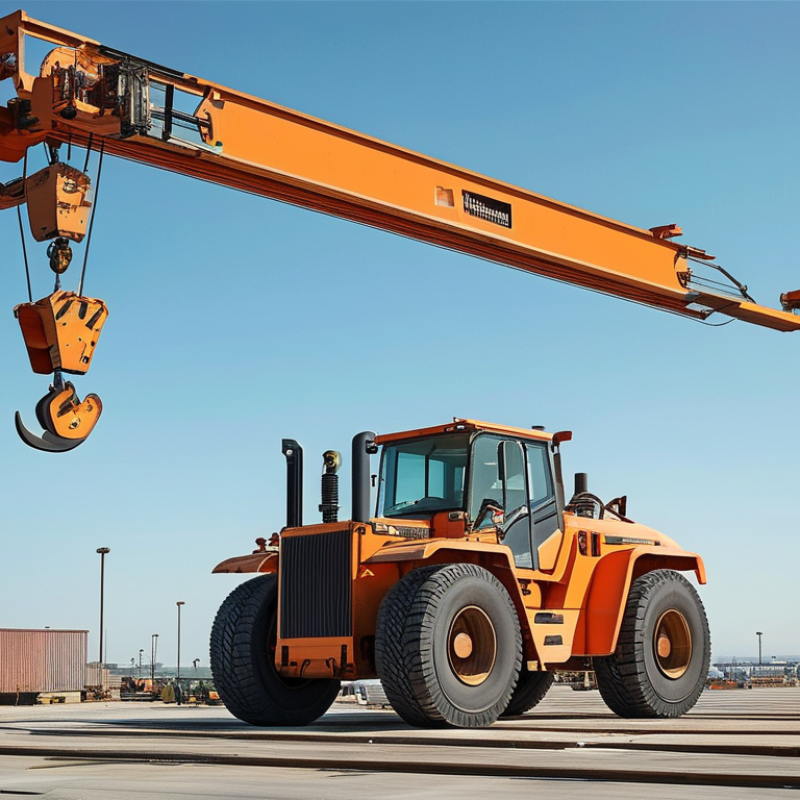
Understanding the Different Types of Gantry Cranes Available at Harbor Freight
When selecting a gantry crane, understanding the types available is crucial. Gantry cranes come in different designs that cater to various lifting needs. Fixed gantry cranes are ideal for permanent setups in industrial settings. These cranes offer stability and high lifting capacities, often exceeding several tons. They are perfect for heavy machinery or products.
Adjustable gantry cranes provide versatility, making them suitable for multiple tasks. The height can often be altered, allowing for more flexibility during operations. Data from industry reports indicate that adjustable cranes are preferred in small workshops for their adaptability.
Consider electric or manual options based on the intended use. Manual cranes require more physical effort but are cost-effective. Electric cranes streamline operations and reduce labor. However, their initial cost is significantly higher. It's essential to evaluate budget constraints while considering future needs. Small businesses should reflect on their lifting requirements before making a choice. Using the right gantry crane can enhance operational efficiency but requires careful thought.