
-
-
-
-
-
-

With a customized Stiles University course, we can provide expert training for your team, on-location. Whether it's programming, operation or maintenance, we want to help you train your personnel to meet your production goals efficiently and effectively.
-

Experience the trusted workforce development training and machinery knowledge you rely on from Stiles University, now at your convenience. With technology changing every day and new methods being developed constantly, Stiles University Online has the latest information and training content available at your fingertips.
-
-
-

Do you want to produce more efficiently? Processes and flows are key. We optimize these together with you, re-organize them and make sure that you reduce your lead time and save costs. This enables you to implement customized manufacturing and achieve your business goals.
-

Industrialized construction is evolving. Automation, robotics and advanced technology are raising the level of productivity, efficiency and precision for builders in North America.
-

Stiles Machinery is at the forefront of providing technology and machining for producing high quality mass timber. Automated solutions for your mass timber production can increase your manufacturing quality and productivity.
-

Project management services from Stiles make it easy to streamline your entire project— from concept and consultation to integration and implementation.
-



-
-
-
-
-
-
With a customized Stiles University course, we can provide expert training for your team, on-location. Whether it's programming, operation or maintenance, we want to help you train your personnel to meet your production goals efficiently and effectively.
-
Experience the trusted workforce development training and machinery knowledge you rely on from Stiles University, now at your convenience. With technology changing every day and new methods being developed constantly, Stiles University Online has the latest information and training content available at your fingertips.
-
-
-
Do you want to produce more efficiently? Processes and flows are key. We optimize these together with you, re-organize them and make sure that you reduce your lead time and save costs. This enables you to implement customized manufacturing and achieve your business goals.
-
Industrialized construction is evolving. Automation, robotics and advanced technology are raising the level of productivity, efficiency and precision for builders in North America.
-
Stiles Machinery is at the forefront of providing technology and machining for producing high quality mass timber. Automated solutions for your mass timber production can increase your manufacturing quality and productivity.
-
Project management services from Stiles make it easy to streamline your entire project— from concept and consultation to integration and implementation.
-
Ultimate Tips for Choosing the Best Water Level Controller?
Choosing the right Water Level Controller can be challenging. There are many options available, each with unique features. The right choice can lead to better water management and energy savings.
To make an informed decision, it’s crucial to understand how these devices work. A reliable Water Level Controller provides accurate readings and prevents overflow. Look for models with high-quality sensors. Durability and efficiency are also important factors. Not all controllers are created equal.
Keep in mind that your needs may differ from others. Some users may prioritize automation, while others focus on manual controls. Researching various models helps to identify what suits you best. Every choice has trade-offs, and reflecting on your priorities is essential. The goal is to find a Water Level Controller that fits your specific requirements.
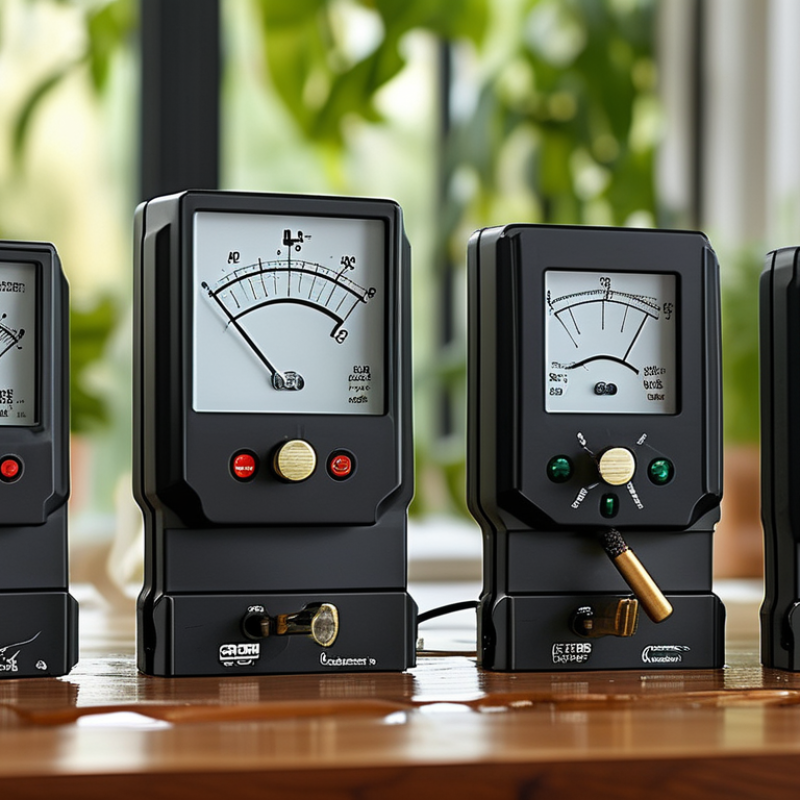
Understanding the Basics of Water Level Controllers
Water level controllers are essential in various applications, from residential tanks to industrial systems. Understanding their basics can help users make informed decisions. According to a report by Markets and Markets, the water level controller market is expected to grow significantly, indicating a rising demand for these devices. Knowing how these controllers operate is key. They typically use sensors to monitor the water level, triggering pumps or valves to maintain desired levels.
Users often overlook the importance of sensor types. Float sensors, capacitive sensors, and pressure sensors each have unique strengths. Float sensors are reliable but may require regular maintenance. Meanwhile, capacitive sensors are less visible but can be more sensitive. A recent study showed that improper selection of sensors can lead to 35% inefficiency in water handling systems.
Another aspect often neglected is environmental factors. External conditions can affect the performance of water level controllers. High temperatures or corrosive liquids may damage components. Regular assessments can prevent potential failures. Users should note that even the best systems can fail without proper care. Understanding these nuances helps in choosing the right controller for specific needs.