
-
-
-
-
-
-

With a customized Stiles University course, we can provide expert training for your team, on-location. Whether it's programming, operation or maintenance, we want to help you train your personnel to meet your production goals efficiently and effectively.
-

Experience the trusted workforce development training and machinery knowledge you rely on from Stiles University, now at your convenience. With technology changing every day and new methods being developed constantly, Stiles University Online has the latest information and training content available at your fingertips.
-
-
-

Do you want to produce more efficiently? Processes and flows are key. We optimize these together with you, re-organize them and make sure that you reduce your lead time and save costs. This enables you to implement customized manufacturing and achieve your business goals.
-
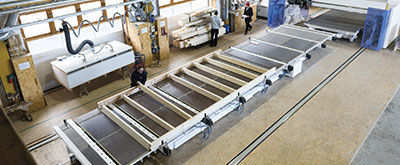
Industrialized construction is evolving. Automation, robotics and advanced technology are raising the level of productivity, efficiency and precision for builders in North America.
-

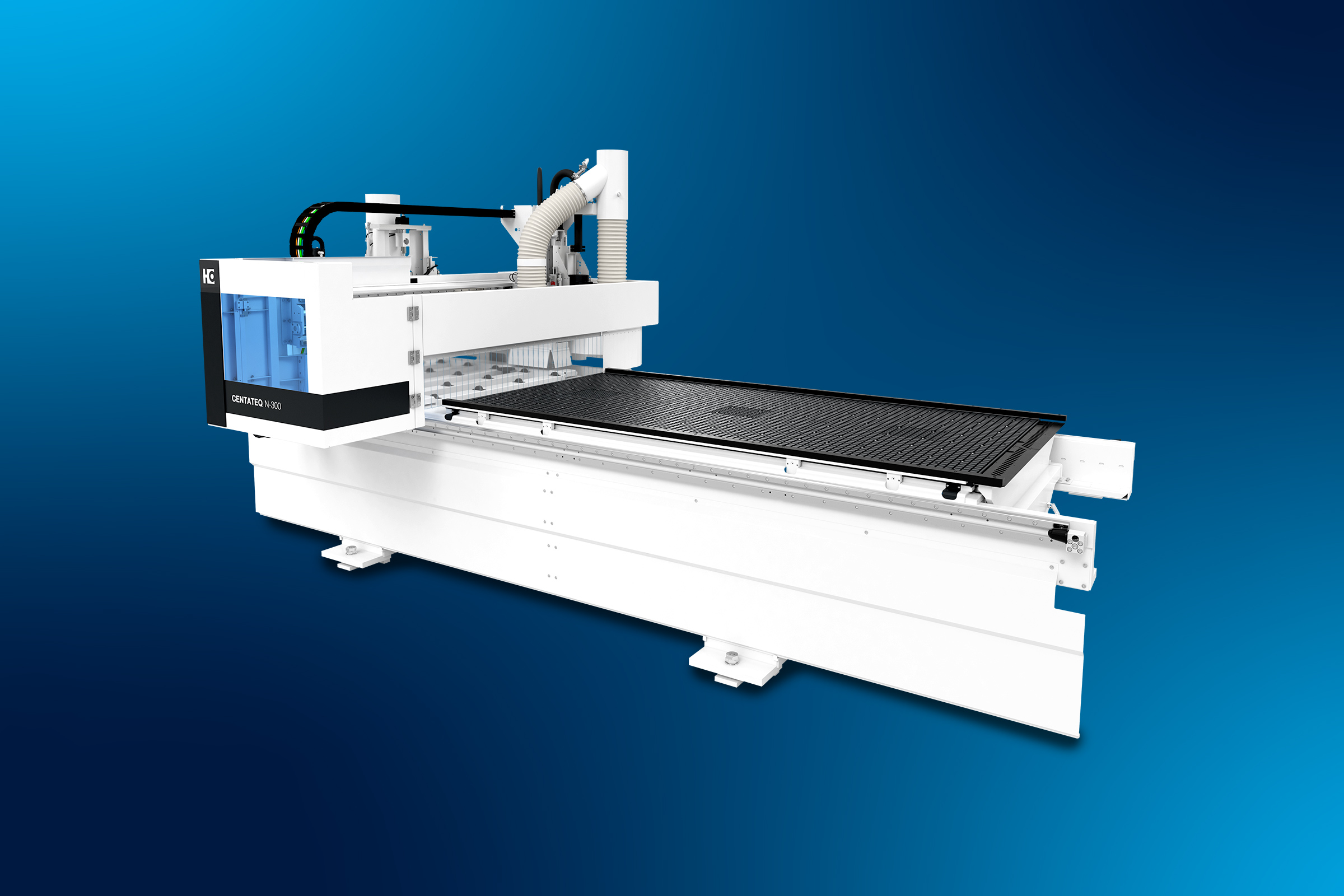
Stiles Machinery is at the forefront of providing technology and machining for producing high quality mass timber. Automated solutions for your mass timber production can increase your manufacturing quality and productivity.
-

Project management services from Stiles make it easy to streamline your entire project— from concept and consultation to integration and implementation.
-


-
-
-
-
-
-
With a customized Stiles University course, we can provide expert training for your team, on-location. Whether it's programming, operation or maintenance, we want to help you train your personnel to meet your production goals efficiently and effectively.
-
Experience the trusted workforce development training and machinery knowledge you rely on from Stiles University, now at your convenience. With technology changing every day and new methods being developed constantly, Stiles University Online has the latest information and training content available at your fingertips.
-
-
-
Do you want to produce more efficiently? Processes and flows are key. We optimize these together with you, re-organize them and make sure that you reduce your lead time and save costs. This enables you to implement customized manufacturing and achieve your business goals.
-
Industrialized construction is evolving. Automation, robotics and advanced technology are raising the level of productivity, efficiency and precision for builders in North America.
-
Stiles Machinery is at the forefront of providing technology and machining for producing high quality mass timber. Automated solutions for your mass timber production can increase your manufacturing quality and productivity.
-
Project management services from Stiles make it easy to streamline your entire project— from concept and consultation to integration and implementation.
-
Top Tips for Choosing the Best Cotton Fabric for Your Needs?
Choosing the right Cotton Fabric for your specific needs can feel overwhelming. According to textile expert Dr. Emily Carter, "The best cotton fabric combines quality, comfort, and durability." Her insights highlight the nuances that can make a difference.
When selecting cotton fabric, consider your project type. Different weights and weaves offer unique benefits. For example, a lightweight cotton might be perfect for summer clothing. On the other hand, a heavier cotton is ideal for home textiles like curtains or upholstery.
Understanding the characteristics of cotton is essential. Each fabric can behave differently based on its treatment and finish. Additionally, many consumers overlook the importance of origin. Cotton sourced from reputable suppliers ensures better quality and sustainability.
Understanding Different Types of Cotton Fabrics and Their Uses
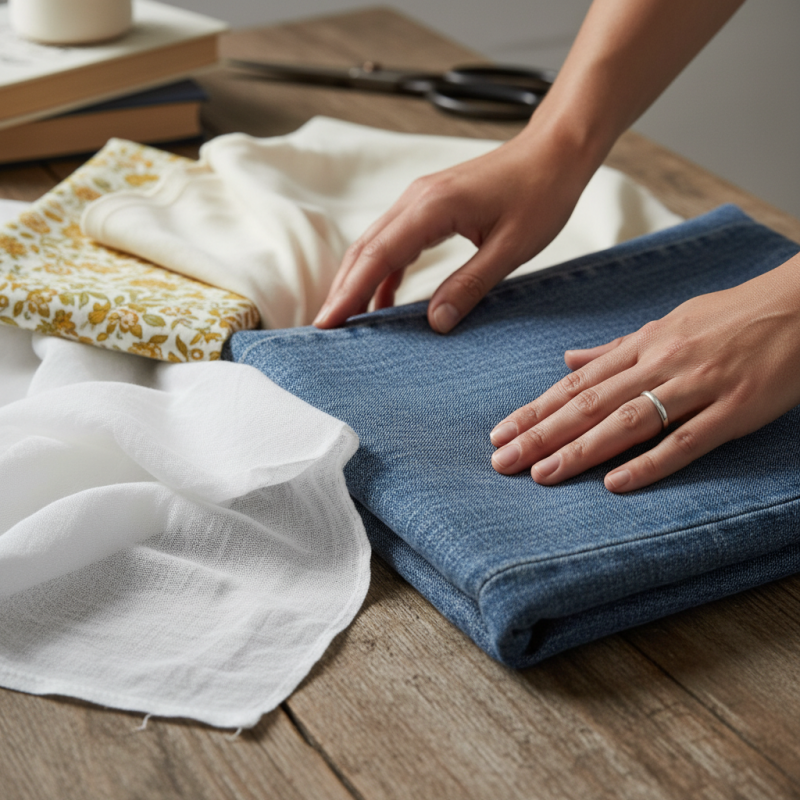
When selecting cotton fabric, understanding the types available is essential. Cotton comes in various forms, each with different characteristics and uses. For instance, cotton percale is crisp and cool, making it perfect for bed linens. In contrast, cotton sateen offers a smoother finish, ideal for clothing and drapes.
Tips: Always consider the fabric weight. Lighter fabrics are great for summer wear, while heavier versions suit winter garments. Additionally, check the weave type. A tighter weave means better durability. This knowledge can guide you toward fabrics that fit your needs. Sometimes, you may want a soft touch but need durability. Balancing these factors requires careful thought.
Another popular choice is cotton denim. It’s versatile for casual wear but may not offer the softness people seek for sleepwear. You might also come across organic cotton. It’s an appealing option, especially for eco-conscious buyers. However, it can often be pricier. Reflect on how each option aligns with your values and budget.