
-
-
-
-
-
-

With a customized Stiles University course, we can provide expert training for your team, on-location. Whether it's programming, operation or maintenance, we want to help you train your personnel to meet your production goals efficiently and effectively.
-

Experience the trusted workforce development training and machinery knowledge you rely on from Stiles University, now at your convenience. With technology changing every day and new methods being developed constantly, Stiles University Online has the latest information and training content available at your fingertips.
-
-
-

Do you want to produce more efficiently? Processes and flows are key. We optimize these together with you, re-organize them and make sure that you reduce your lead time and save costs. This enables you to implement customized manufacturing and achieve your business goals.
-
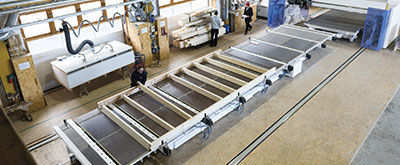
Industrialized construction is evolving. Automation, robotics and advanced technology are raising the level of productivity, efficiency and precision for builders in North America.
-

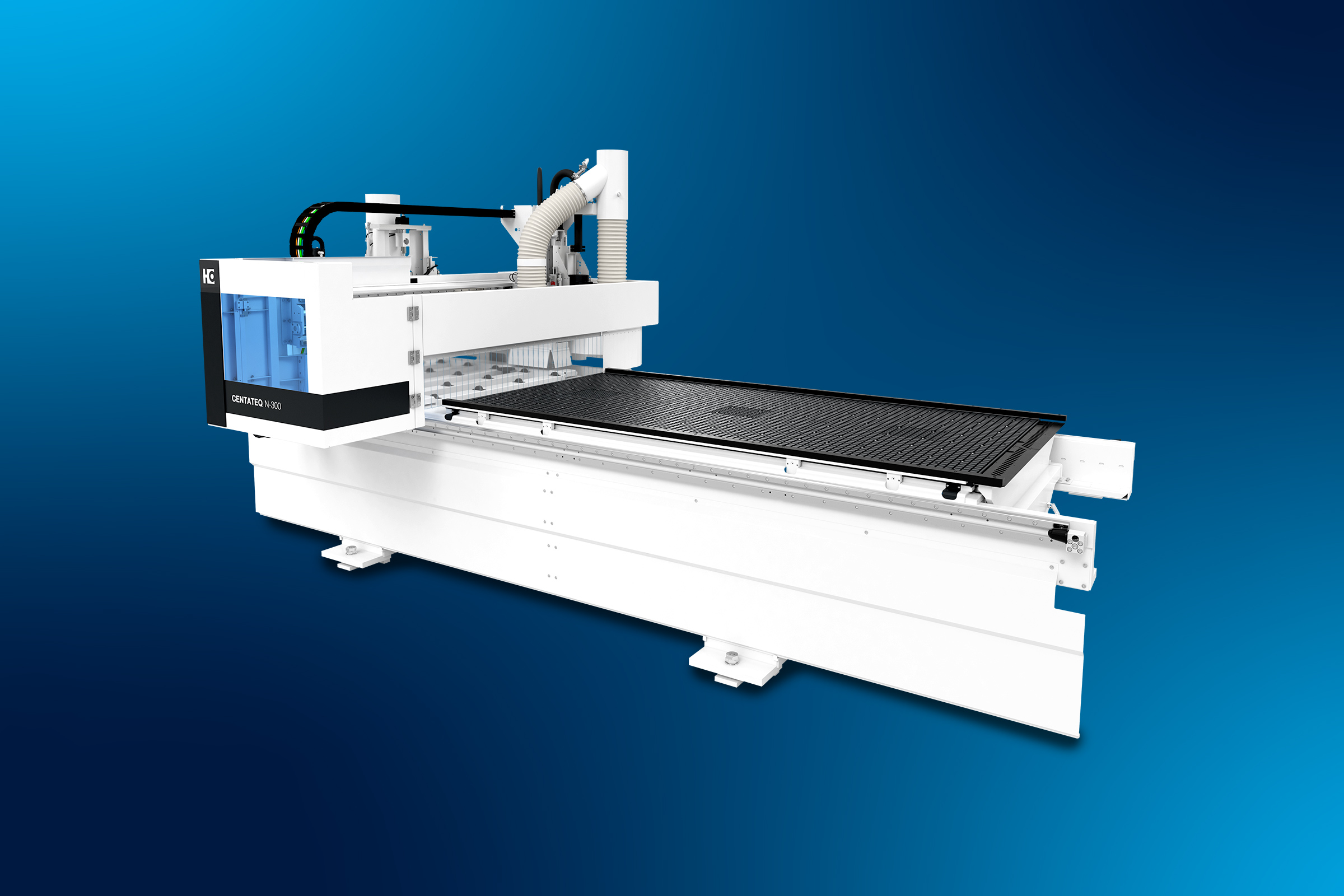
Stiles Machinery is at the forefront of providing technology and machining for producing high quality mass timber. Automated solutions for your mass timber production can increase your manufacturing quality and productivity.
-

Project management services from Stiles make it easy to streamline your entire project— from concept and consultation to integration and implementation.
-


-
-
-
-
-
-
With a customized Stiles University course, we can provide expert training for your team, on-location. Whether it's programming, operation or maintenance, we want to help you train your personnel to meet your production goals efficiently and effectively.
-
Experience the trusted workforce development training and machinery knowledge you rely on from Stiles University, now at your convenience. With technology changing every day and new methods being developed constantly, Stiles University Online has the latest information and training content available at your fingertips.
-
-
-
Do you want to produce more efficiently? Processes and flows are key. We optimize these together with you, re-organize them and make sure that you reduce your lead time and save costs. This enables you to implement customized manufacturing and achieve your business goals.
-
Industrialized construction is evolving. Automation, robotics and advanced technology are raising the level of productivity, efficiency and precision for builders in North America.
-
Stiles Machinery is at the forefront of providing technology and machining for producing high quality mass timber. Automated solutions for your mass timber production can increase your manufacturing quality and productivity.
-
Project management services from Stiles make it easy to streamline your entire project— from concept and consultation to integration and implementation.
-
What is Stone Material and How to Choose the Right Type?
Understanding "Stone Material" is crucial for many industries. According to Dr. Emily Carter, a renowned expert in stone engineering, "Choosing the right stone material can define the success of your project." Her insight highlights the importance of selecting the appropriate type for specific applications.
Stone materials vary widely in composition, aesthetics, and durability. Some stones are ideal for construction, while others suit artistic endeavors. Granite, marble, and limestone each have distinctive qualities. Knowing these differences can help in making informed choices.
However, selecting the right stone material is not always straightforward. Factors like environment, cost, and availability can complicate decisions. Aesthetic appeal can also lead to regrettable choices. Thus, understanding your needs and limitations is vital in the decision-making process. Engaging with professionals can provide guidance, ensuring a successful outcome.
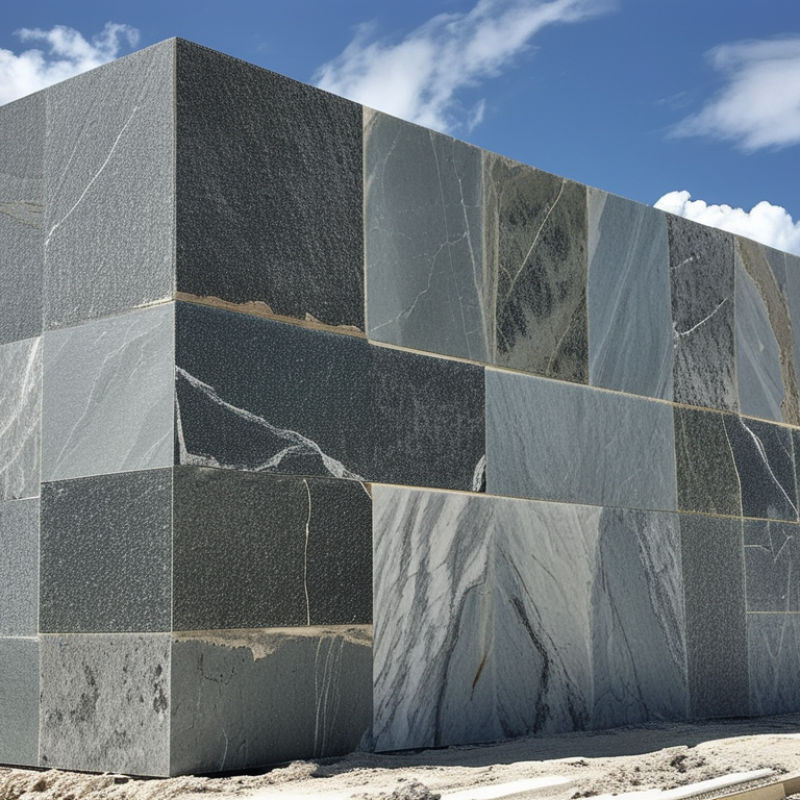
What is Stone Material? An Overview of Natural and Engineered Stones
Stone material plays a crucial role in construction and design. It encompasses both natural stones and engineered stones, each with unique characteristics. Natural stones like granite and marble are prized for their durability and aesthetic appeal. Engineered stones, such as quartz, boast consistent quality and customizable options.
According to the Global Marble Industry Report, the natural stone market will reach over $50 billion by 2025. This highlights the increasing popularity of stone materials in various applications. When choosing stone, consider the location and purpose. For instance, granite is ideal for countertops due to its resistance to heat and scratches. Marble, while beautiful, is softer and may not suit high-traffic areas.
**Tips:** Always request samples before making a decision. This helps you visualize how the stone will look in your space. Understand maintenance requirements; natural stones often need sealing, while engineered stones are generally low-maintenance. Select materials that align with your project’s style and durability needs, considering both functionality and aesthetics.
What is Stone Material and How to Choose the Right Type?
| Type of Stone | Material Category | Common Uses | Durability (Years) | Maintenance Level |
|---|---|---|---|---|
| Granite | Natural Stone | Countertops, Flooring | 50+ | Low |
| Marble | Natural Stone | Sculptures, Floors | 20-50 | Medium |
| Quartz | Engineered Stone | Countertops | 25-50 | Low |
| Limestone | Natural Stone | Building Material, Paving | 10-25 | High |
| Soapstone | Natural Stone | Countertops, Sinks | 50+ | Medium |