
-
-
-
-
-
-

With a customized Stiles University course, we can provide expert training for your team, on-location. Whether it's programming, operation or maintenance, we want to help you train your personnel to meet your production goals efficiently and effectively.
-

Experience the trusted workforce development training and machinery knowledge you rely on from Stiles University, now at your convenience. With technology changing every day and new methods being developed constantly, Stiles University Online has the latest information and training content available at your fingertips.
-
-
-

Do you want to produce more efficiently? Processes and flows are key. We optimize these together with you, re-organize them and make sure that you reduce your lead time and save costs. This enables you to implement customized manufacturing and achieve your business goals.
-

Industrialized construction is evolving. Automation, robotics and advanced technology are raising the level of productivity, efficiency and precision for builders in North America.
-

Stiles Machinery is at the forefront of providing technology and machining for producing high quality mass timber. Automated solutions for your mass timber production can increase your manufacturing quality and productivity.
-

Project management services from Stiles make it easy to streamline your entire project— from concept and consultation to integration and implementation.
-



-
-
-
-
-
-
With a customized Stiles University course, we can provide expert training for your team, on-location. Whether it's programming, operation or maintenance, we want to help you train your personnel to meet your production goals efficiently and effectively.
-
Experience the trusted workforce development training and machinery knowledge you rely on from Stiles University, now at your convenience. With technology changing every day and new methods being developed constantly, Stiles University Online has the latest information and training content available at your fingertips.
-
-
-
Do you want to produce more efficiently? Processes and flows are key. We optimize these together with you, re-organize them and make sure that you reduce your lead time and save costs. This enables you to implement customized manufacturing and achieve your business goals.
-
Industrialized construction is evolving. Automation, robotics and advanced technology are raising the level of productivity, efficiency and precision for builders in North America.
-
Stiles Machinery is at the forefront of providing technology and machining for producing high quality mass timber. Automated solutions for your mass timber production can increase your manufacturing quality and productivity.
-
Project management services from Stiles make it easy to streamline your entire project— from concept and consultation to integration and implementation.
-
What is a Self Propel Transfer Car and its Benefits?
A Self Propel Transfer Car is an innovative solution designed to enhance material handling in industrial settings. Using advanced technology, this car operates with autonomy, reducing the reliance on manual labor. It serves various sectors, including manufacturing and warehousing, making it an essential tool for efficient operations.
The benefits of a Self Propel Transfer Car are numerous. It significantly improves productivity by allowing seamless transportation of heavy loads. Operators can focus on more complex tasks, while the vehicle handles logistics. However, users must consider training requirements to ensure safe operation. Understanding the nuances of this equipment is vital to maximize its potential.
While the initial investment might raise concerns, the long-term savings in labor costs are noteworthy. Industries are embracing this technology, yet some remain skeptical about its practicality. A careful evaluation of specific needs can help businesses decide if this transfer car is the right fit. Exploring these factors aids in making informed decisions about using a Self Propel Transfer Car.
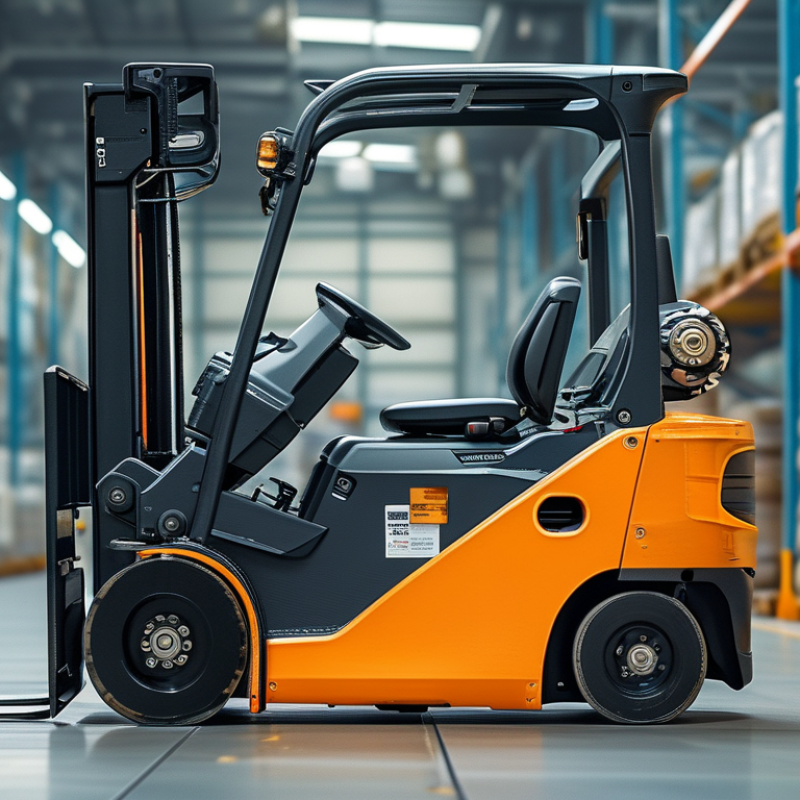
Understanding Self Propel Transfer Cars
Self-propelled transfer cars are specialized vehicles designed for transporting heavy materials within industrial settings. They are increasingly used in manufacturing and warehousing. These cars can move independently, needing no external power source. Their autonomy improves efficiency, especially in environments where heavy loads are frequent. Industry reports highlight that productivity in sectors utilizing self-propelled transfer cars can increase by up to 30%.
In terms of design, self-propelled transfer cars often feature robust wheels and safety mechanisms. They can navigate tight spaces and vary in size to accommodate different types of loads. Reports indicate that about 20% of companies faced transportation delays last year due to outdated systems. This highlights the need for modern solutions that self-propelled cars provide. Companies that invest in this technology observe a considerable reduction in labor costs, as fewer personnel are needed for transport tasks.
However, challenges remain. Maintenance can be costly, and proper training is essential for operators. The technology must be regularly updated to keep up with safety standards. Users need to assess their specific needs before implementing self-propelled solutions. Failure to do so can lead to inefficiencies rather than improvements. A strategic approach is necessary for optimizing the benefits these transfer cars offer.
What is a Self Propel Transfer Car and its Benefits?
| Dimension | Value |
|---|---|
| Type | Self-Propelled |
| Load Capacity | Up to 100 tons |
| Navigation | Remote Control & Manual |
| Battery Type | Lithium-ion |
| Operating Time | Up to 8 hours |
| Charging Time | 2-4 hours |
| Applications | Manufacturing, Warehousing, Logistics |
| Benefits | Increases efficiency, Reduces labor costs, Enhances safety |