
-
-
-
-
-
-

With a customized Stiles University course, we can provide expert training for your team, on-location. Whether it's programming, operation or maintenance, we want to help you train your personnel to meet your production goals efficiently and effectively.
-

Experience the trusted workforce development training and machinery knowledge you rely on from Stiles University, now at your convenience. With technology changing every day and new methods being developed constantly, Stiles University Online has the latest information and training content available at your fingertips.
-
-
-

Do you want to produce more efficiently? Processes and flows are key. We optimize these together with you, re-organize them and make sure that you reduce your lead time and save costs. This enables you to implement customized manufacturing and achieve your business goals.
-

Industrialized construction is evolving. Automation, robotics and advanced technology are raising the level of productivity, efficiency and precision for builders in North America.
-

Stiles Machinery is at the forefront of providing technology and machining for producing high quality mass timber. Automated solutions for your mass timber production can increase your manufacturing quality and productivity.
-

Project management services from Stiles make it easy to streamline your entire project— from concept and consultation to integration and implementation.
-



-
-
-
-
-
-
With a customized Stiles University course, we can provide expert training for your team, on-location. Whether it's programming, operation or maintenance, we want to help you train your personnel to meet your production goals efficiently and effectively.
-
Experience the trusted workforce development training and machinery knowledge you rely on from Stiles University, now at your convenience. With technology changing every day and new methods being developed constantly, Stiles University Online has the latest information and training content available at your fingertips.
-
-
-
Do you want to produce more efficiently? Processes and flows are key. We optimize these together with you, re-organize them and make sure that you reduce your lead time and save costs. This enables you to implement customized manufacturing and achieve your business goals.
-
Industrialized construction is evolving. Automation, robotics and advanced technology are raising the level of productivity, efficiency and precision for builders in North America.
-
Stiles Machinery is at the forefront of providing technology and machining for producing high quality mass timber. Automated solutions for your mass timber production can increase your manufacturing quality and productivity.
-
Project management services from Stiles make it easy to streamline your entire project— from concept and consultation to integration and implementation.
-
2026 How to Choose the Best Mini Horizontal Centrifuge?
When selecting a Mini Horizontal Centrifuge, making informed choices is crucial. This small yet efficient device plays a vital role in various laboratories. Understanding your specific needs is the first step. Not all models offer the same features or capabilities.
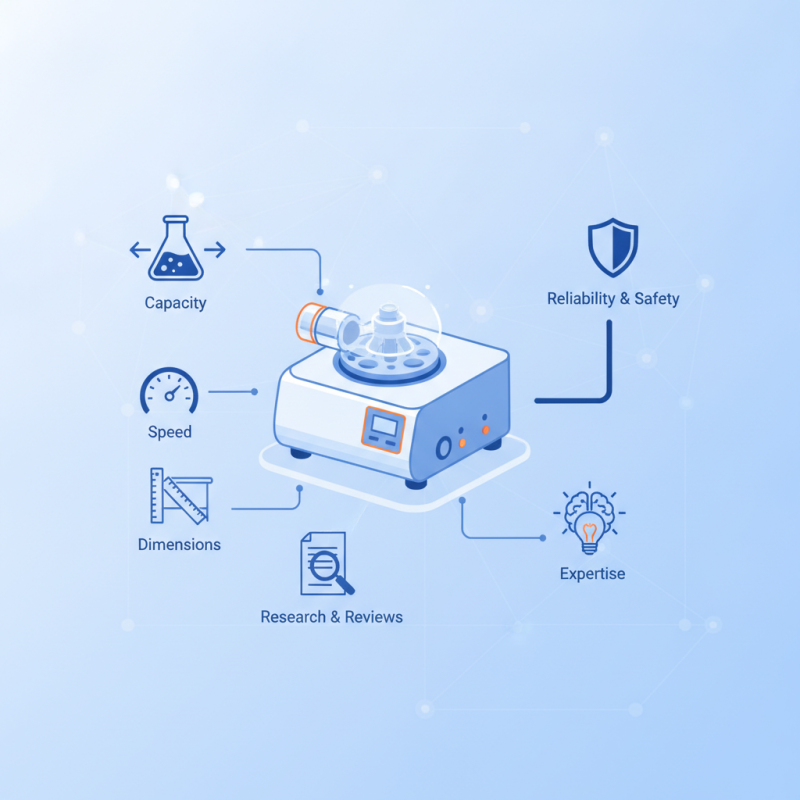
Consider factors such as capacity, speed, and dimensions. A centrifuge must fit well in your lab space. Reliability and safety are paramount features to evaluate. Ignoring these aspects could lead to costly errors or even accidents.
Expertise in the field can guide you towards reputable brands. Reading reviews and research can help you weigh options effectively. Ultimately, making the right choice involves careful consideration of both technical specifications and practical requirements. Choosing wisely today will enhance your lab's efficiency tomorrow.
Understanding Mini Horizontal Centrifuges: Key Features to Consider
When selecting a mini horizontal centrifuge, understanding key features is crucial. The rotor design is one of the most important aspects. A good rotor can efficiently separate samples without much fuss. Be aware of the maximum speed and capacity. Not all centrifuges are built equally for every application. Adjust your choice based on specific needs.
Another vital factor is safety features. Look for mechanisms that prevent imbalance during operation. A well-designed system should also offer lid lock safety. Noise levels might seem trivial, but a quieter unit improves the work environment.
Budget constraints are another consideration. While it's tempting to choose the cheapest option, this might lead to long-term issues. Sometimes, spending a bit more ensures reliability and better performance. Check for warranties and service options. Reflecting on your priorities will help in making a better decision. Choose wisely to support your lab's efficiency.