
-
-
-
-
-
-

With a customized Stiles University course, we can provide expert training for your team, on-location. Whether it's programming, operation or maintenance, we want to help you train your personnel to meet your production goals efficiently and effectively.
-

Experience the trusted workforce development training and machinery knowledge you rely on from Stiles University, now at your convenience. With technology changing every day and new methods being developed constantly, Stiles University Online has the latest information and training content available at your fingertips.
-
-
-

Do you want to produce more efficiently? Processes and flows are key. We optimize these together with you, re-organize them and make sure that you reduce your lead time and save costs. This enables you to implement customized manufacturing and achieve your business goals.
-
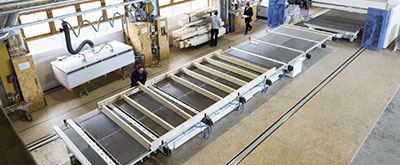
Industrialized construction is evolving. Automation, robotics and advanced technology are raising the level of productivity, efficiency and precision for builders in North America.
-
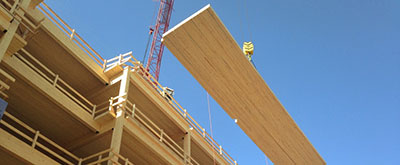
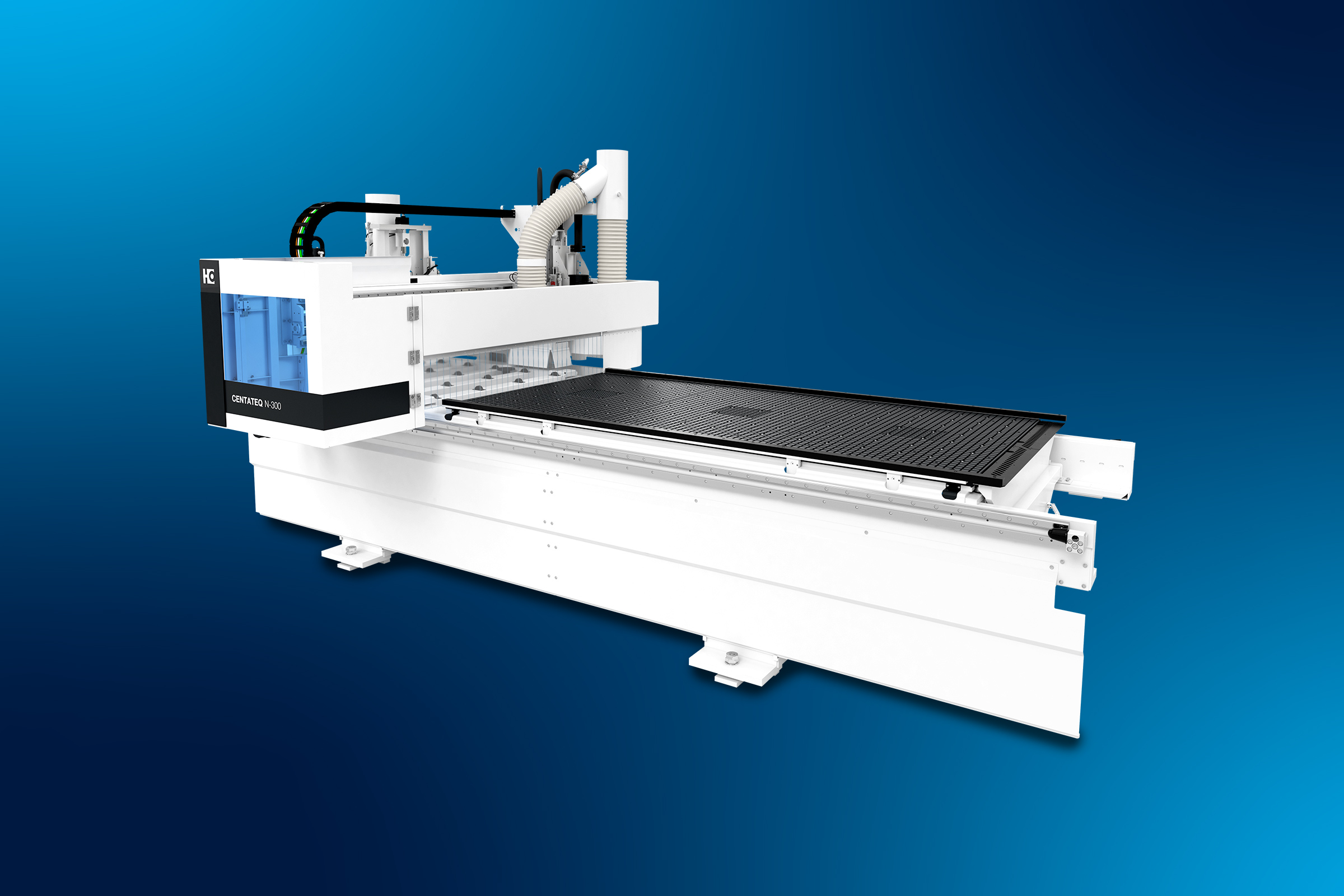
Stiles Machinery is at the forefront of providing technology and machining for producing high quality mass timber. Automated solutions for your mass timber production can increase your manufacturing quality and productivity.
-

Project management services from Stiles make it easy to streamline your entire project— from concept and consultation to integration and implementation.
-

-
-
-
-
-
-
With a customized Stiles University course, we can provide expert training for your team, on-location. Whether it's programming, operation or maintenance, we want to help you train your personnel to meet your production goals efficiently and effectively.
-
Experience the trusted workforce development training and machinery knowledge you rely on from Stiles University, now at your convenience. With technology changing every day and new methods being developed constantly, Stiles University Online has the latest information and training content available at your fingertips.
-
-
-
Do you want to produce more efficiently? Processes and flows are key. We optimize these together with you, re-organize them and make sure that you reduce your lead time and save costs. This enables you to implement customized manufacturing and achieve your business goals.
-
Industrialized construction is evolving. Automation, robotics and advanced technology are raising the level of productivity, efficiency and precision for builders in North America.
-
Stiles Machinery is at the forefront of providing technology and machining for producing high quality mass timber. Automated solutions for your mass timber production can increase your manufacturing quality and productivity.
-
Project management services from Stiles make it easy to streamline your entire project— from concept and consultation to integration and implementation.
-
7 Rubber Track Tractor Buying Tips for Global Buyers
A Rubber Track Tractor can improve traction and spread machine weight across a wider contact area, but its value depends on the job. Soil type, field slope, seasonal moisture, and transport distance all change what “right-sized” means. OECD and FAO’s Agricultural Outlook 2024–2033 projects global agricultural and fish production to grow by about 1.1% annually over the coming decade, underscoring the need for productive, dependable equipment. That forecast is not a tractor sales target. It is useful context for buyers weighing long-term capacity against upfront cost.
Good decisions need more than brochure claims. The University of Nebraska’s Tractor Test Laboratory publishes standardized performance reports that document measures such as power and fuel use. These reports can help buyers compare tested machines, though they cannot predict performance in every field or climate. Details matter. Before choosing, examine rated horsepower, track width, undercarriage design, maintenance access, parts availability, warranty terms, and local service support. Ask for operating data under conditions close to yours, and check what the quoted price includes. A low purchase price can look less attractive when replacement components are difficult to source. Conversely, paying more for features you will rarely use may not make sense. This guide presents seven practical buying tips for global buyers, from matching the tractor to the worksite to evaluating ownership costs. No single specification tells the whole story; even a careful comparison leaves room for judgment.
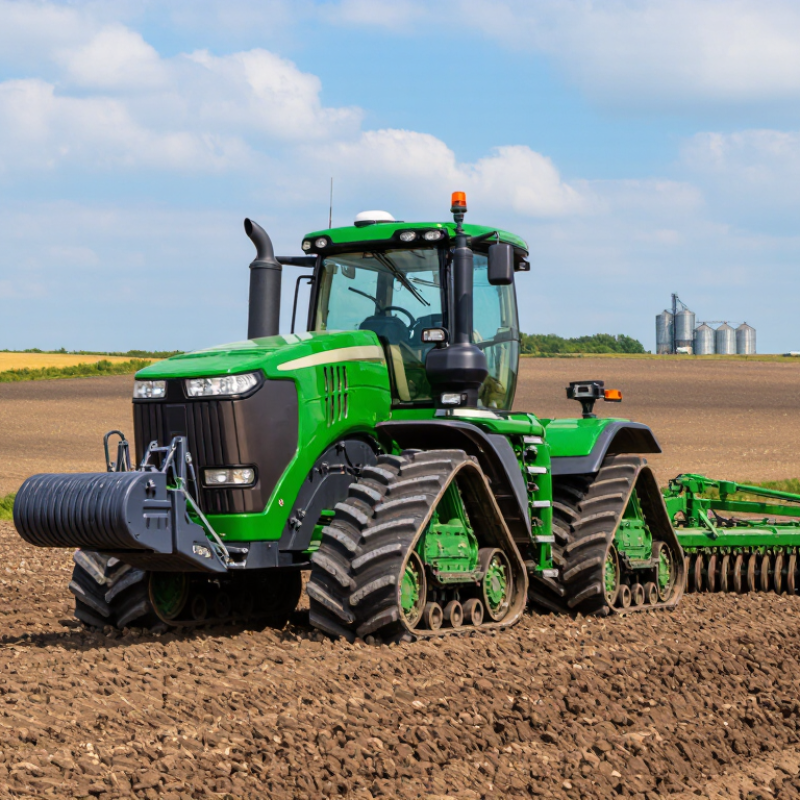
Define Your Work Requirements and Operating Conditions
Before comparing rubber track tractors, write down the jobs the machine must handle in a typical week. Note the acreage, daily operating hours, materials moved, and attachments required. A tractor used for mowing needs different power and hitch capacity from one pulling a loaded trailer. Include occasional tasks, too. They often shape the purchase more than expected.
Describe the ground honestly. Record soft soil, gravel, wet grass, slopes, and narrow gates. Mud changes everything. Rubber tracks can spread machine weight and reduce surface disturbance, but track width and tractor weight still matter. On steep or uneven ground, ask a qualified dealer to confirm operating limits and safe use. Measure access routes and turning areas; a machine that fits the field may not fit the shed.
Think about the season and daily routine. How far must the tractor travel between work areas? Will it operate near paved roads, where track wear may increase? Check local service availability, routine maintenance needs, and the time required to clean packed soil from the undercarriage. A common planning miss is focusing on peak horsepower while overlooking hours spent idling or maneuvering. I would revisit those estimates before choosing; work patterns are easy to misjudge. Keep a simple log of tasks and conditions for several days. That record can make conversations with suppliers more specific and useful.
| Work Profile | Typical Operating Conditions | Requirements to Define | Rubber Track Considerations | Questions to Confirm Before Buying |
|---|---|---|---|---|
| Wet-field preparation | Soft, moisture-heavy soil; repeated turns; seasonal work windows. | Field area per day, working hours, implement type, and expected soil conditions. | Compare track width and contact area for flotation; check tread design for traction in wet soil. | Will the tractor work in standing water or only damp soil? How often will it travel on paved roads? |
| Orchard and vineyard work | Narrow rows, frequent low-speed turns, and possible uneven ground beneath trees or vines. | Minimum row width, turning space, machine height, and clearance around crops. | Confirm overall machine width and track configuration against the narrowest access point. | What are the narrowest row and headland dimensions? Are crop roots or irrigation lines near the surface? |
| Hillside cultivation | Sloping fields, variable traction, and uneven transitions between field sections. | Measured slope, direction of travel, task type, and applicable operating-safety limits. | Check the manufacturer’s permitted operating conditions and track suitability for the terrain; do not assume tracks make every slope safe. | What are the steepest slopes and side slopes? Is a site-specific safety assessment required? |
| Construction-site grading | Mixed soil, loose fill, rough surfaces, and frequent work around other equipment. | Daily operating hours, required implement or attachment, material conditions, and site access. | Choose a track and undercarriage arrangement suited to the ground; inspect for exposure to sharp debris and abrasive material. | Will the machine encounter demolition debris, gravel, or sharp stone? What maintenance access is available on site? |
| Forestry and land clearing | Uneven ground, roots, branches, and possible contact with abrasive or sharp objects. | Work area, attachment loads, debris level, and expected daily duty cycle. | Ask about track protection, undercarriage inspection intervals, and repair options for the planned work environment. | What types of debris are present? Can the work area be cleared before the tractor enters? |
| Mixed farm and transport duties | Alternation between field work, farm lanes, and occasional hard-surface travel. | Share of time spent off-road versus on hard surfaces, travel distance, and implement changes. | Frequent hard-surface travel can increase track wear; compare operating guidance and transport arrangements. | How far will the tractor travel between sites? Is a trailer needed to avoid excessive road travel? |
| Small or access-limited sites | Restricted gateways, tight turns, low-clearance areas, or limited room for loading and unloading. | Gate width, turning area, overhead clearance, transport dimensions, and unloading space. | Check the complete machine’s operating and transport dimensions, not track width alone. | Have all access points and transport routes been measured, including ramps and loading areas? |
Use these work profiles as a planning checklist. Actual machine capability, slope limits, track life, and maintenance requirements depend on the tractor configuration, operating conditions, and manufacturer guidance.